Nigeria's Debt Maths: Why Interest Is Eating the Budget
Federal interest payments consumed 124.2% of federal revenue in the first half of 2026, a stark illustration of how debt service is squeezing out investment.
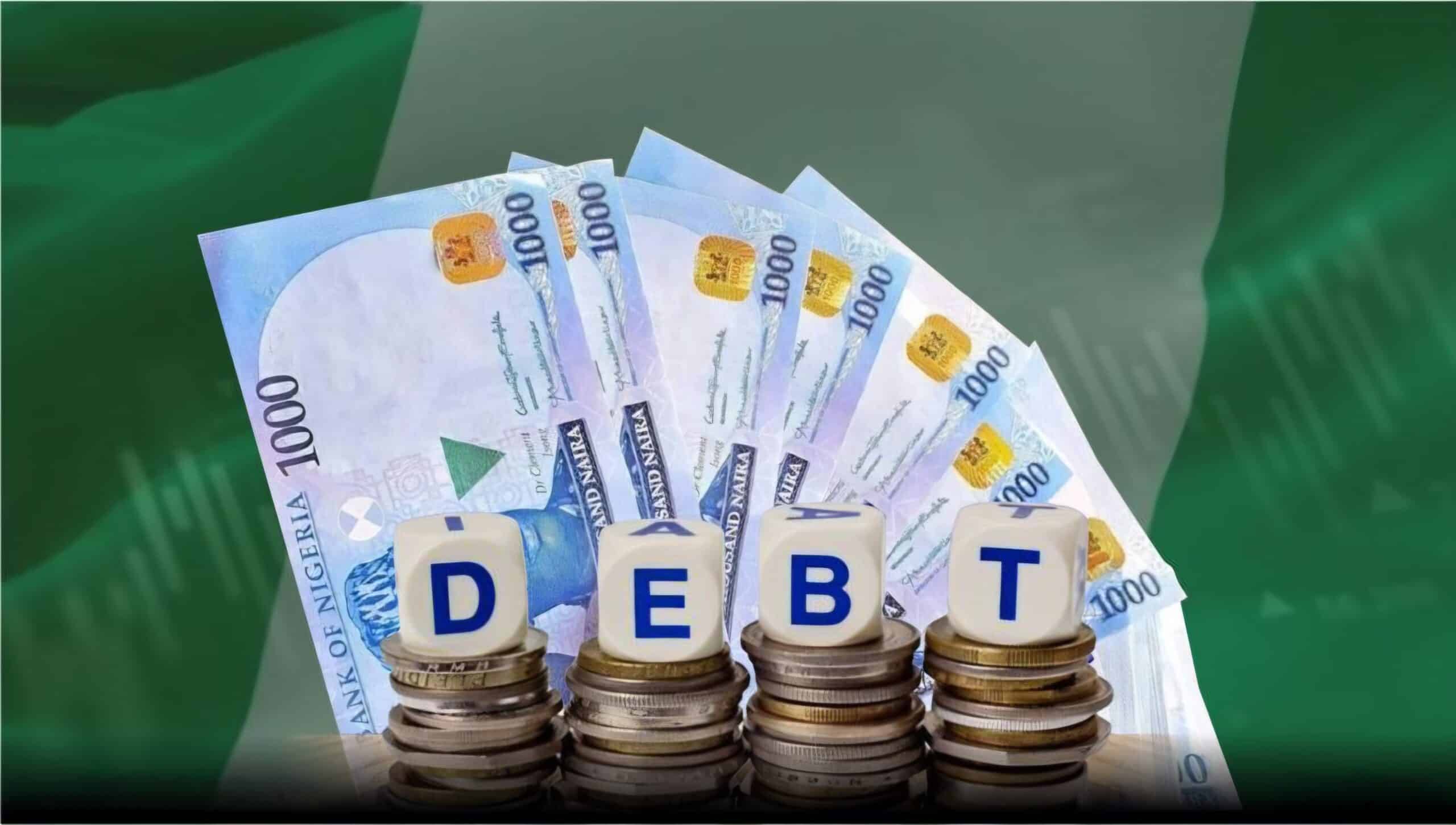
Nigeria's fiscal arithmetic is brutal, and the latest numbers make it plain. In the first half of 2026, the Federal Government spent about N7.7 trillion on interest payments against total federal revenue of roughly N6.2 trillion — meaning interest alone consumed 124.2 per cent of the revenue the government collected.
In other words, for every naira the federal government earned between January and June, it owed more than N1.24 in interest. The interest bill exceeded revenue by about N1.5 trillion.
A small improvement in a dire picture
The figure comes from the World Bank's October 2026 Nigeria Development Update. Parsed carefully, it contains both bad news and a sliver of encouragement. The bad news is that interest payments rose 37.5 per cent, or N2.1 trillion, from N5.6 trillion in the first half of 2025. The share of GDP consumed by interest rose to 3.1 per cent from 2.5 per cent.
The encouragement is that the ratio actually improved. In the first half of 2025, interest payments consumed about 155.6 per cent of federal revenue. That fell to 124.2 per cent in the first half of 2026, a drop of more than 31 percentage points, because revenue grew even faster than the interest bill — climbing 72.2 per cent, or N3.6 trillion, to N6.2 trillion.
This is the dynamic that matters: Nigeria's debt problem is, at its core, a revenue problem. The government's debt-to-GDP ratio, in the mid-30 per cent range, is not extreme by international standards. What is extreme is that the government collects so little relative to the size of its economy, leaving a narrow tax base against which a large interest bill becomes crippling.
Capital spending is the casualty
The consequence of a swelling interest bill is that investment gets squeezed. Capital expenditure fell to about N700 billion, or 0.3 per cent of GDP, from 1.0 per cent a year earlier. Roads, power, water, health and education are the first things to suffer when there is no money left after paying creditors.
This is the trap that has alarmed economists for years. When governments borrow to fund recurrent spending and then devote revenue to servicing that debt, they starve the very investments that would raise future growth and, in turn, future revenue. The cycle becomes self-reinforcing.
Two numbers, often confused
Public debate regularly conflates the World Bank's 124.2 per cent figure with the International Monetary Fund's projection that interest will consume 53.7 per cent of government revenue in 2026. The two are not comparable. The World Bank's number is a half-year actual, measured against the federal government's own narrowly defined collected revenue. The IMF's is a full-year projection against a broader revenue base.
Quoting one against the other produces misleading conclusions. Both, however, point in the same direction: the interest burden is enormous, and it is crowding out everything else.
Business Insight
For businesses, the fiscal squeeze has direct consequences. A government that devotes more than half its revenue — by any measure — to interest has little left to invest in infrastructure, which raises the private sector's costs. It also has a strong incentive to tax more aggressively, which adds to the compliance burden on companies.
The more hopeful reading is that the direction of travel has improved. Revenue is growing faster than interest, tax reform is expanding the base, and the government's debt-service ratio is falling. But the improvement is fragile. It depends on oil prices, on the naira, on sustained revenue growth and on the discipline to keep recurrent spending in check.
Conclusion
Nigeria's debt is sustainable in the narrow sense that it can be serviced. But servicing it is consuming the government's capacity to do anything else. The 124.2 per cent interest-to-revenue ratio is a warning: without a durable increase in revenue, Nigeria will keep borrowing to pay interest, and keep starving the investments that would let it grow out of the problem.
Up next
NIBSS Builds National Payment Stack on Open-Source Technology
NIBSS has built its National Payment Stack on Transactility's open-source jPOS technology, gaining full source-code control of Nigeria's instant payments platform.
More in Opinion & Analysis
See all
Will Nigeria's Biggest Rate Cut Unlock Cheaper Credit?
Nigeria's central bank has delivered its largest-ever cut to the benchmark rate. The question now is whether banks will pass it on to the businesses and households that need affordable credit.
Why the naira story matters far beyond currency traders
Exchange-rate stability is now the swing factor in the earnings of almost every large listed company.
G-24 Warns Developing Nations Pay $500bn More for Debt Than Rich Countries
G-24 chair Taiwo Oyedele said developing countries pay about $500 billion more for debt than developed economies, urging cheaper IMF and World Bank financing.
About the author
Amaka Obi
Senior Business Reporter
Amaka Obi writes for BusinessPress.