The Bigger Business of Feeding Africa: Farmers, Buyers and Processors
Africa's food system still fails to match farmers with fair buyers and processors with reliable supply, making the business of feeding the continent as much a market-design problem as a production one.
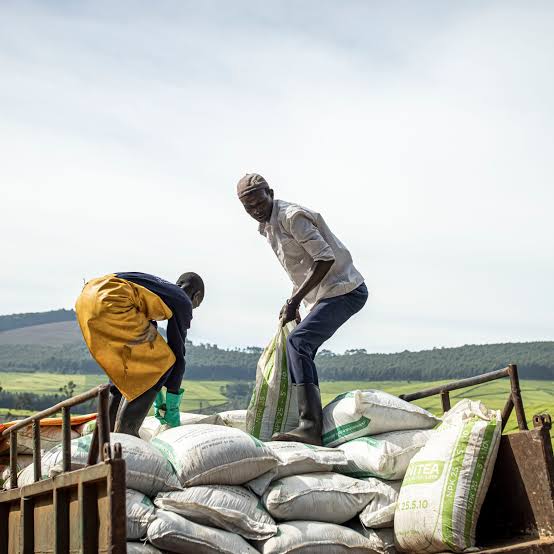
Imagine a farmer celebrating a bumper harvest, only to struggle to find a buyer offering a fair price. Somewhere else, a food processor sits with idle capacity because the raw materials it needs cannot be sourced reliably or affordably. That mismatch — repeated across Nigeria and the wider African food system — is the quieter story behind the continent's food security debate.
Published on Monday, October 19, the framing captures a structural problem: Africa does not simply under-produce food. It under-connects the participants who already exist — growers, aggregators, processors, retailers and exporters — inside value chains that too often leak value at every hand-off.
Where value leaks
Post-harvest losses, weak storage, thin rural roads and fragmented buyer networks mean that a share of every harvest never reaches a formal market in usable condition. Farmers who do sell frequently face monopsony dynamics in local markets, accepting whatever price the available buyer offers because alternatives are too far away or too slow.
Processors, meanwhile, complain about inconsistent quality, seasonal gluts followed by shortages, and the working capital required to bridge the gap between farm-gate procurement and retail or export payment cycles. Investment in aggregation and cold chain infrastructure has lagged the rhetoric about agribusiness industrialisation.
Finance follows the visible end of the chain
Commercial capital has historically concentrated on the export-facing end of agricultural value chains — cocoa, sesame, cashew — where hard-currency earnings and international buyers reduce perceived risk. Domestic food staples that feed the largest share of the population attract comparatively little private credit, a pattern visible in central bank sectoral data that show agriculture gaining some bank credit while manufacturing and smallholder-linked segments remain constrained.
Development finance institutions and commodity exchanges have tried to close the gap through warehouse receipt systems, warehouse-backed lending and structured contracts between farmers and processors. The results have been uneven, often limited to a few crops and a few states.
The business opportunity inside the problem
For investors and operators, the inefficiency is also the opportunity. Aggregators that can guarantee quality and volume to processors, digital platforms that connect farmers directly to institutional buyers, and input suppliers that bundle credit with quality seed and fertiliser are all scaling in markets where the old chain failed.
Feeding Africa, in this sense, is less a single infrastructure project than a portfolio of market-design fixes — logistics, contracts, quality standards and working capital — that decide whether a good harvest becomes a meal, an export, or a loss.
Up next
Growtech West Africa Partners NADF to Boost Agricultural Technology Access
Growtech West Africa has announced a collaboration with Nigeria's National Agricultural Development Fund ahead of its inaugural Lagos exhibition, aiming to connect agribusinesses with technology, finance and international expertise.
More in Agriculture
See all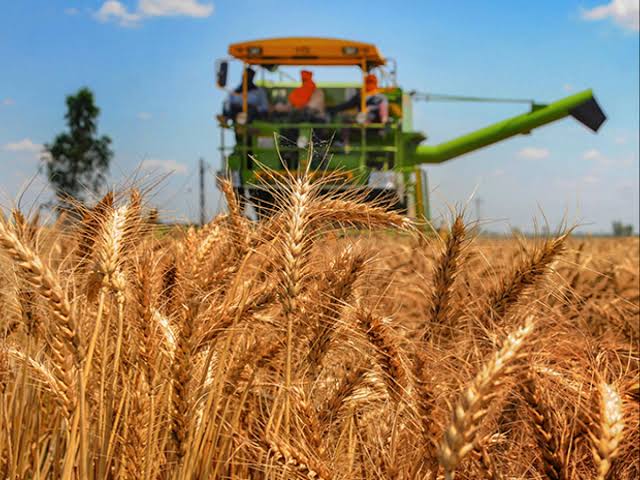
FG Launches Project WHEAT-NESS to Strengthen Nigeria's Wheat Value Chain
The Federal Government's WHEAT-NESS programme targets value chain development, MSME support and a dedicated fund as annual wheat consumption and imports hit six to seven million metric tonnes.

WACOT Renews Edo State Fertiliser Partnership to Expand Input Supply
WACOT Limited has renewed its agreement with the Edo State Government on fertiliser production through the Edo State Fertilizer and Chemical Company, a partnership that began in 2017.

Sunbeth Capital Raises N150 Billion Commercial Paper to Finance Cocoa Value Chain
Sunbeth Capital is mobilising about N150 billion through commercial paper issuances to fund operations across Nigeria's cocoa value chain, targeting aggregation, processing support and export readiness.
About the author
Fatima Bello
Analysis Editor
Fatima Bello writes for BusinessPress.