MAX Extends Series B3 to $29m as Nithio Backs Nigeria's Electric Mobility Push
Nigerian electric mobility firm MAX has extended its Series B3 round to $29 million after new financing from Nithio, with proceeds earmarked for vehicle financing and solar-powered battery swapping.
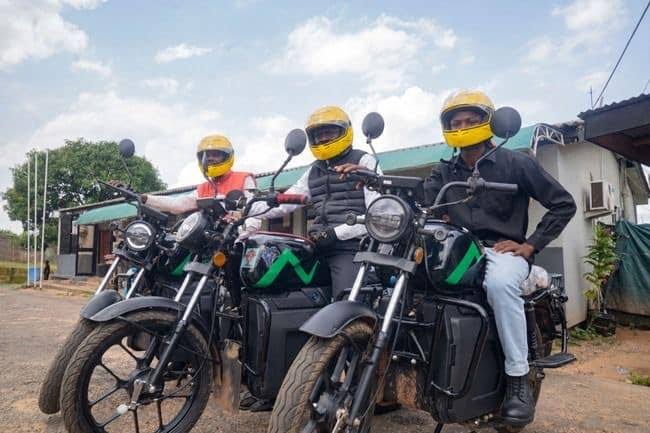
Nigerian electric mobility company MAX has lifted its Series B3 funding round to $29 million after fresh financing from Nithio, a Washington-based climate lender, taking the round above the $24 million of equity and debt the Lagos-based operator announced in January.
Neither company disclosed how much Nithio invested. The financing was published on Nithio's website on 14 October 2026 and reported the following day, with MAX saying the money will put more electric two-wheelers on the road and widen the solar-powered charging and battery-swapping network that keeps them running. The increase on January's disclosed total is about $5 million, but MAX has not confirmed a figure for Nithio's ticket.
MAX was founded in 2015 by Adetayo Bamiduro and Chinedu Azodoh and runs an integrated electric vehicle and battery subscription business. Its commercial riders, called Champions, pay to use a vehicle and a swappable battery rather than buying either outright, a structure the company says has attracted more than 60,000 riders and facilitated over a billion trips.
What the money is meant to buy
The company said proceeds will finance vehicles for riders and expand deployments with original equipment manufacturer partners including Spiro and NOVR, both of which supply it with electric two-wheelers. It also plans to push the swapping network into markets beyond the 20 cities it serves across Nigeria, Ghana and Cameroon, where it says nine further markets are in the pipeline.
Manufacturing sits close to the centre of the plan. MAX runs an assembly plant in Ibadan with a stated capacity of 3,600 vehicles a month, alongside 288 battery cabinets at 143 swap locations and about a megawatt-peak of solar generation, according to company and Dealroom profiles. The last of those matters commercially. Swap stations that generate their own power cost less to run in a country whose national grid rarely supplies more than 5,000 megawatts.
A lender that already knows the route
Nithio describes itself as a climate finance company and underwrites transport and energy lending with a risk engine built on repayment history, geospatial data and artificial intelligence. Raghav Sachdeva, its chief investment officer, said MAX "is building a scalable platform for cleaner and more affordable mobility across Africa" and that the firm sees "a strong alignment between MAX's commercial model and the climate and financial inclusion outcomes it can deliver."
The lender has crossed paths with MAX's supply chain before. In February 2026 it provided Spiro, one of MAX's equipment partners, with a $7 million debt facility as part of a $50 million round that included Afreximbank and the Africa Go Green Fund. Nithio is therefore lending on both sides of the same corridor, to a manufacturer whose vehicles MAX puts in front of riders.
What riders are actually up against
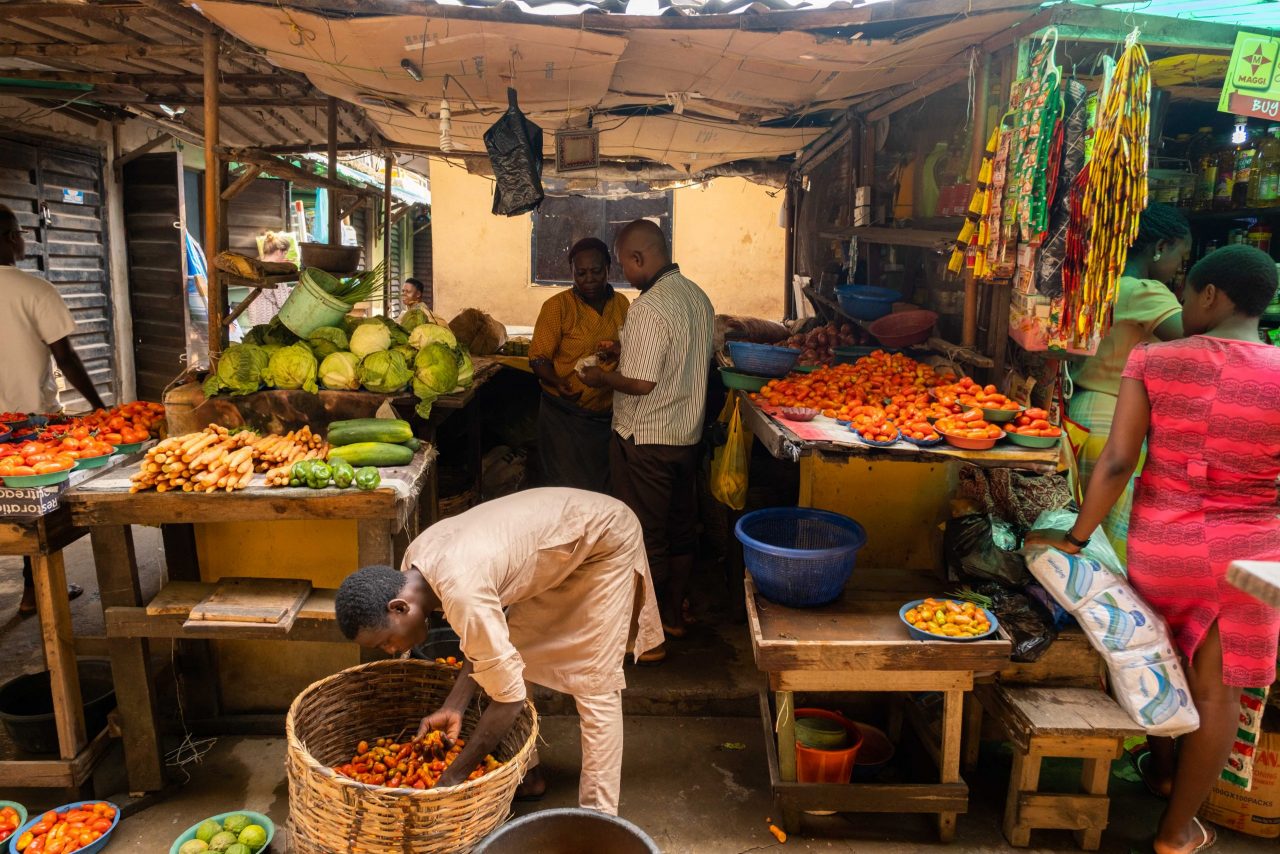
The pitch for electric two-wheelers in Nigeria writes itself in the fuel price. Petrol retailed between N1,350 and N1,409 a litre in Abuja and Lagos in October 2026, and industry analysis puts fuel at between 40 and 60 per cent of a commercial rider's daily earnings. A subscription that removes the fuel bill competes against that arithmetic rather than against the upfront cost of a motorcycle.
The internal economics also look better than they did a year ago, on the company's own account. MAX reported profitability in Nigeria in January 2026, saying it had deployed more than $56 million in fleet financing and repaid $44 million of it. "Profitability in Nigeria proves that electric mobility in Africa is not a future concept," Bamiduro said at the time. The figures have not been tested against audited accounts, which the company has not published.
The 2027 scoreboard
MAX is aiming at 250,000 drivers and more than $150 million in annualised recurring revenue by 2027, ambitions that would need roughly a fourfold increase on today's rider count. The Nithio financing buys it more runway, but the targets rest on vehicle lending at scale, swap network uptime in new cities and riders staying with the subscription while petrol prices hold where they are.
Two disclosures would settle how much of the January profit claim has carried into the current year: audited accounts, and a stated Nithio ticket. Until then the extension to $29 million is best read as a lender willing to keep financing a fleet whose unit economics remain private.
Up next
LCCI warns export curbs could hurt farmers
Inconsistent export policies could hurt farmers, says LCCI's Tunde Banjoko, calling for guaranteed offtake, better storage, affordable credit and a commodity board to set benchmark prices.
More in Business
See all
AfDB, Lagos back 610 women-owned firms
Lagos State and the African Development Bank have launched a scheme to support 610 women-led businesses with training, mentoring and grants to improve access to finance.
Power Minister Rules Out Electricity Tariff Increase, Targets 24-Hour Supply
Minister of Power Joseph Tegbe says there is no plan to raise electricity tariffs, insisting the focus is round-the-clock supply as the FG flags off 17.7MW of mini-grids in Oyo State.
NAFDAC Seizes N200m Counterfeit Beverage Packaging in Aba Raids
The food and drug regulator seized fake packaging for alcoholic beverages across shops in Aba, stepping up enforcement against product adulteration.
About the author
Amaka Obi
Senior Business Reporter
Amaka Obi writes for BusinessPress.
More by Amaka Obi