IMF Urges Nigeria to Raise Non-Oil Revenue and Warns Against Blanket Petrol Subsidy
At its annual meetings, the International Monetary Fund urged Nigeria to broaden its revenue base beyond oil and redirect subsidy savings to vulnerable households, warning that blanket energy subsidies are expensive, regressive and unsustainable.
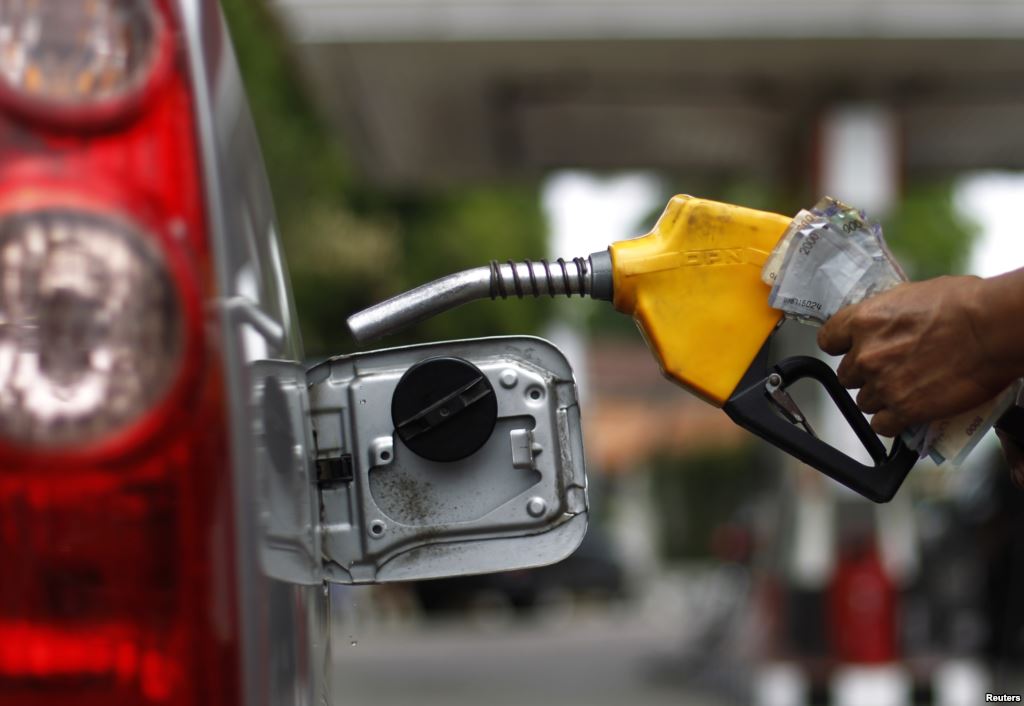
The International Monetary Fund has urged Nigeria to mobilise more revenue outside the oil sector and to avoid reinstating a blanket petrol subsidy, arguing that broad-based energy supports are fiscally costly and deliver most of their benefit to households that do not need them.
The recommendations, made around the Fund's 2026 annual meetings, come as Nigeria manages rising debt-service costs and a politically sensitive debate over the cost of living following the removal of the petrol subsidy.
Revenue, not just spending
The IMF's central message is that Nigeria's fiscal problem is as much about revenue as it is about expenditure. Fund officials said countries starting from a low tax base, naming Nigeria and Ethiopia, need sufficient revenue for two reasons: to meet rising interest obligations and to finance investment in growth.
They stressed that raising revenue should not mean simply increasing the tax burden. Removing distortions in the tax system could be revenue-neutral while improving growth, they argued, and better-designed taxes can raise more without discouraging activity. The call aligns with Nigeria's own reform agenda, which has prioritised widening the tax net and improving collection efficiency.
The subsidy warning
On subsidies, the Fund was direct. Energy price measures cost governments roughly 1.5% of global GDP, and blanket subsidies tend to be regressive, disproportionately benefiting wealthier households that consume more fuel. The better approach, the Fund argued, is to phase subsidies out gradually while directing the savings to vulnerable people, including through targeted support such as subsidised public transport.
For Nigeria, the advice cuts against periodic calls to restore cheaper petrol. A return to a blanket subsidy would widen the fiscal deficit, weaken the naira, and compete for the very resources needed for education, health and infrastructure.
The debt arithmetic behind the advice
The urgency is visible in the numbers. Nigeria's total public debt rose to N166.788 trillion at the end of June 2026 from N97.34 trillion at the end of 2023, a 71% increase, even as statutory allocation to the three tiers of government climbed 112% to N23.15 trillion in 2025 from N10.9 trillion in 2023. Revenue is improving, but debt is growing faster.
The Fund also warned of broader global fiscal risk, projecting that global public debt could reach 100% of GDP by the end of the decade as higher interest rates raise refinancing costs. Nigeria's exposure to that trend is direct: it refinances a large volume of short-dated domestic debt every quarter, and its debt-service bill is already large.
What to watch
Watch Nigeria's non-oil revenue as a share of total receipts over the coming quarters, and whether the government's social protection programmes are scaled enough to absorb the impact of higher fuel prices on poor households. Those two indicators will show whether the fiscal strategy the IMF is urging is being implemented in practice or only in principle.
Up next
Nigeria, EU and EBRD Sign €14m Grant for 90,000km Fibre Project
The Federal Government, the European Union and the European Bank for Reconstruction and Development signed a €14 million grant in Abuja to fund preparation of a planned 90,000-kilometre national fibre-optic backbone, though the money covers design and capacity building, not deployment.
More in Economy
See all
IMF Warns Nigeria's Fast Growth Is Failing to Lift Millions Out of Poverty
The IMF has warned that Nigeria's improving economic indicators are not reaching the poorest households, questioning whether the country's reforms are creating shared prosperity.
IMF Projects Nigeria's Economy Will Grow 4.2% in 2026 as Global Growth Holds at 3.1%
The IMF has projected that Nigeria's economy will expand by 4.2% in 2026 and 4.3% in 2027, outpacing a global economy held back by tighter conditions and uneven momentum.
FAAC Shares N2.428 Trillion September Revenue Among Three Tiers of Government
The Federation Account Allocation Committee distributed N2.428 trillion to the Federal Government, states and local councils from N3.913 trillion gross revenue for September 2026, with Value Added Tax emerging as the states' single largest allocation source.
About the author
Amaka Obi
Senior Business Reporter
Amaka Obi writes for BusinessPress.
More by Amaka Obi