CBN’s 350bps reset fails to pull market yields below 17%
Policy easing has not lowered market borrowing costs, exposing weak transmission and the premium investors demand for inflation and currency risk.
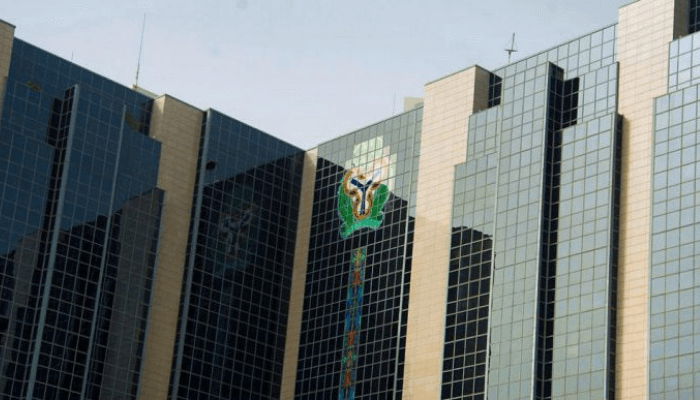
The Central Bank of Nigeria has reset policy rates by 350 basis points, yet the market is still offering banks yields above 17 per cent, according to Nairametrics, a gap that shows how far market interest rates have diverged from the official policy signal. The disconnect matters for borrowers, savers and the effectiveness of monetary policy.
When the central bank changes its policy rate, it expects the cost of money to move in the same direction. Banks adjust deposit and lending rates, government bond yields follow, and the economy responds. In Nigeria, that transmission is uneven.
The persistence of yields above 17 per cent suggests that investors are demanding a premium for inflation, currency risk and fiscal uncertainty. It also suggests that liquidity is not flowing smoothly through the financial system.
Why market yields stay high
Inflation is the main reason. If consumer prices are rising faster than the yield on a bond, investors lose money in real terms. They demand a higher nominal yield to compensate.
Currency risk is another factor. Foreign investors who buy naira assets need to be compensated for the possibility that the currency weakens. Domestic investors also demand a premium when they expect depreciation.
Fiscal risk plays a role. The government is borrowing heavily, and investors worry about debt sustainability. They demand a higher yield to hold government paper, which pushes up the entire yield curve.
The bank profitability angle
High yields are good for banks in the short term. Lenders can earn attractive returns on government securities without taking much credit risk. That supports profits and capital adequacy.
But high yields also raise the cost of funding. Banks must pay more to attract deposits, especially as inflation erodes the value of savings. The net effect on margins depends on the pace of repricing on both sides of the balance sheet.
Over time, high government yields can crowd out private lending. If banks can earn 17 per cent on risk-free paper, they have little incentive to lend to businesses at similar rates. That can slow investment and growth.
What it means for borrowers
Businesses face high borrowing costs. A loan priced above 20 per cent is difficult to service for a manufacturer with thin margins. Small and medium-sized enterprises are particularly affected.
Mortgages and consumer loans also become more expensive. That reduces demand for housing and durable goods, which can slow the construction and retail sectors.
The government’s own borrowing costs rise as well. Higher yields mean higher debt service, which consumes revenue that could be spent on infrastructure, education and health.
The policy dilemma
The CBN wants to lower inflation and support the naira. Higher rates can help by reducing demand and attracting foreign capital. But they can also stifle growth and increase the cost of servicing public debt.
The 350 basis point reset was a significant move. If market yields do not follow, the central bank may need to use other tools, including liquidity management and reserve requirements, to influence credit conditions.
Communication is also important. If investors understand the direction of policy, they may be more willing to accept lower yields. Uncertainty tends to push yields higher.
What investors should watch
The spread between the policy rate and market yields is a key indicator. If it narrows, monetary policy is transmitting more effectively. If it stays wide, the central bank has less control than it appears.
Inflation expectations matter too. If investors believe inflation will fall, they will accept lower nominal yields. If they expect inflation to remain high, yields will stay elevated.
The fiscal trajectory is another variable. If the government can reduce its borrowing needs, the pressure on yields will ease. Without fiscal consolidation, monetary policy will struggle to bring rates down.
The outlook
Nigerian yields are likely to remain high for some time. The combination of inflation, currency risk and fiscal deficits is not going away quickly. That means borrowing will stay expensive for businesses and the government.
The central bank can improve transmission by deepening the bond market, improving liquidity and communicating clearly. But it cannot overcome fiscal dominance on its own.
For now, the gap between the policy rate and market yields is a warning. It shows that the cost of money in Nigeria is determined by more than the central bank’s decisions.
Up next
CBN roundtable puts payments and export finance at centre of reform push
Business leaders pressed the CBN on cross-border payments, export credit and investment barriers at a high-level roundtable.
More in Finance
See all
CBN 20 Per Cent Domestic Capital Claim Conflicts With Its Own 72.55 Per Cent Figure
Governor Cardoso told the IMF and World Bank meetings in Bangkok that domestic investors supplied slightly more than 20 per cent of the N4.65 trillion bank recapitalisation, contradicting the Central Bank and Securities and Exchange Commission statements of April that put the domestic share at 72.55 per cent.

Uganda Hikes Key Rate 225 Basis Points to 12% in Emergency Shilling Defence
The Bank of Uganda raised its central bank rate by 225 basis points to 12% at an emergency meeting, citing oil prices, shilling depreciation and offshore selling of government bonds.

AFC Appoints CBN Governor Yemi Cardoso as Chairman of the Board
Cardoso succeeds Ireti Samuel-Ogbu at the helm of the Africa Finance Corporation, adding a continental infrastructure-finance role to his central bank duties.
About the author
Amina Suleiman
Finance Correspondent
Amina Suleiman writes for BusinessPress.