Stablecoins could unlock capital trapped in cross-border payments, Paga CEO says
Digital dollar tokens promise faster, cheaper settlements, but regulation, reserve risk and conversion costs remain unresolved.
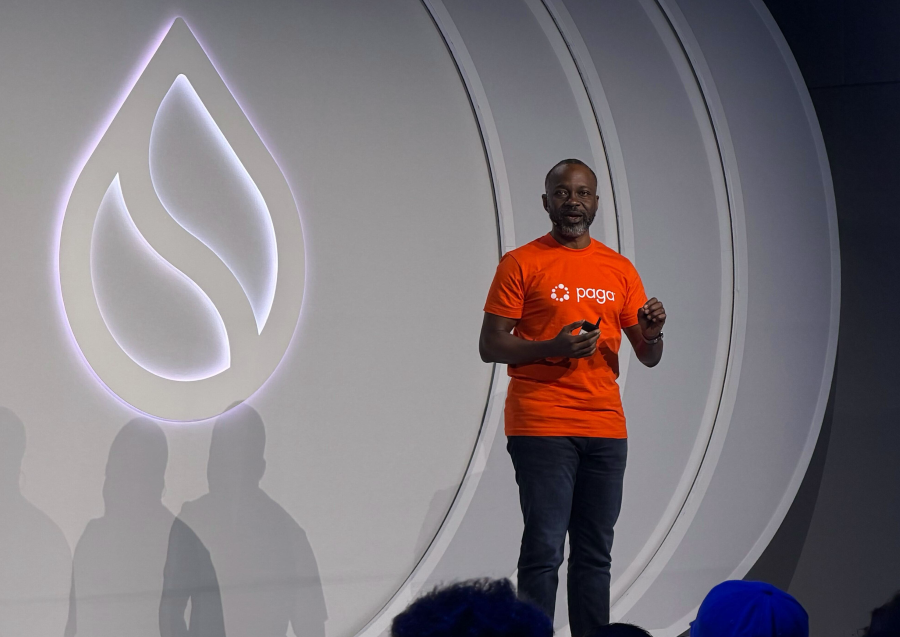
Stablecoins could free up capital locked in cross-border payments, according to Paga Group’s chief executive, who spoke to Nairametrics on October 22, 2026. The comment highlights a growing debate about how digital assets can reduce the cost and delay of moving money across borders.
Cross-border payments are a persistent problem for Nigerian businesses. Sending and receiving dollars can take days, involve multiple intermediaries and cost several percentage points in fees. For small exporters and importers, those costs can be prohibitive.
Stablecoins are digital tokens designed to maintain a stable value, usually by pegging to a fiat currency such as the US dollar. They can move across borders quickly and cheaply, bypassing traditional correspondent banking networks.
Why stablecoins are relevant
Nigeria has a large diaspora that sends money home regularly. Remittances are a major source of foreign exchange, but the cost of sending money to Nigeria remains high. Stablecoins could reduce those costs and speed up delivery.
Businesses that trade internationally also need efficient payment channels. A Nigerian exporter selling to a buyer in Asia may wait days for payment and lose money on exchange-rate spreads. Stablecoins can settle in minutes.
The technology is not a complete solution. Stablecoins still need on-ramps and off-ramps, meaning users must convert local currency into tokens and back again. Those conversions can be expensive and subject to regulation.
The regulatory challenge
Nigeria’s regulators have taken a cautious approach to crypto assets. The Securities and Exchange Commission has developed rules for digital assets, while the central bank has restricted banks from dealing in cryptocurrencies.
Stablecoins occupy a gray area. They are not exactly cryptocurrencies, but they are not traditional bank deposits either. Regulators worry about money laundering, consumer protection and financial stability.
A clear legal framework would help. Businesses need to know how stablecoins are treated for tax, accounting and foreign-exchange purposes. They also need assurance that issuers are solvent and reserves are properly backed.
The capital lock-up
Paga’s chief executive argues that stablecoins can free up capital that is currently trapped in pre-funding arrangements. Many payment companies must hold balances in multiple currencies to settle transactions, which ties up working capital.
Stablecoins can reduce the need for pre-funding because settlement is faster and more predictable. That frees up cash for lending, investment and expansion.
The benefit is particularly relevant for fintechs and small businesses that cannot afford to hold large float balances. Lower capital requirements can reduce costs and improve access to services.
The risks
Stablecoins are not risk-free. Issuers can fail, reserves can be mismanaged and tokens can lose their peg. The collapse of several stablecoin projects has shown how quickly confidence can evaporate.
Regulatory risk is also significant. A change in rules could make stablecoins unusable overnight, leaving businesses stranded. That is a particular concern in Nigeria, where policy has shifted abruptly in the past.
Cybersecurity is another issue. Digital wallets and exchanges are targets for hackers. Losses can be irreversible, and consumer protection is limited.
What it means for Nigeria
Nigeria is one of the world’s most active crypto markets, despite regulatory restrictions. Young people use digital assets for savings, remittances and trading. That suggests demand for alternative financial tools is strong.
If stablecoins can be integrated into the regulated financial system, they could improve payment efficiency and financial inclusion. But that requires guardrails that protect consumers without stifling innovation.
The central bank’s own digital currency, the eNaira, has not achieved widespread adoption. Stablecoins issued by private companies may be more practical, but they raise questions about monetary sovereignty.
The outlook
The debate over stablecoins is likely to intensify as cross-border trade grows and traditional payment costs remain high. Nigeria cannot afford to ignore the technology, but it also cannot afford to be reckless.
A phased approach, starting with sandbox testing and clear reserve requirements, could help. Regulators should engage with the industry and learn from other countries’ experiences.
The potential prize is significant: faster, cheaper payments for businesses and households. The risk is that unregulated stablecoins become a channel for fraud and capital flight. The challenge is to capture the benefits while managing the dangers.
Up next
CBN’s 350bps reset fails to pull market yields below 17%
Policy easing has not lowered market borrowing costs, exposing weak transmission and the premium investors demand for inflation and currency risk.
More in Finance
See all
OPay Earns More From Lending Than Payments as Profit Hits $90.9 Million
OPay's US listing filing shows lending generated 50.6% of revenue in the first half of 2026, overtaking payments, as profit reached $90.9 million.

Standard Chartered confirms Adelagun as Nigeria CEO amid foreign-bank reset
The local appointment signals continuity at a key trade-finance bank as foreign lenders reassess risk, capital and growth in Nigeria.

CBN roundtable puts payments and export finance at centre of reform push
Business leaders pressed the CBN on cross-border payments, export credit and investment barriers at a high-level roundtable.
About the author
Amina Suleiman
Finance Correspondent
Amina Suleiman writes for BusinessPress.