Bank of Industry targets three million jobs with N1.85 trillion annual lending
The development bank plans a major expansion of industrial finance, but capital, governance and bankable projects will determine success.
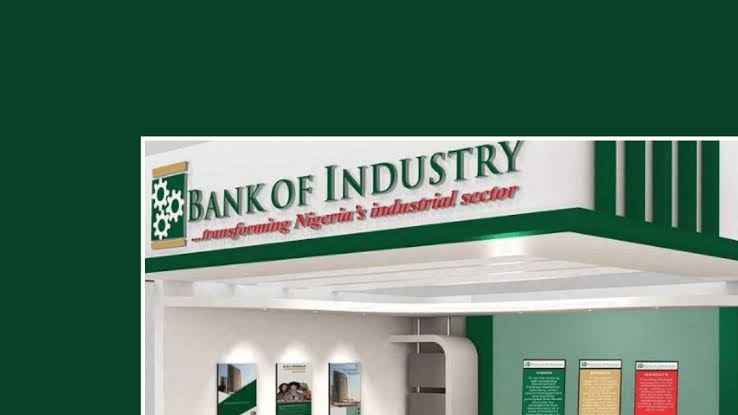
The Bank of Industry is targeting three million jobs and N1.85 trillion in annual lending by 2027, according to Nairametrics, an ambitious plan that would make the development finance institution a central player in Nigeria’s industrial policy. The targets are part of a strategy to deepen support for manufacturing, small businesses and value chains.
The BoI has historically focused on large industrial projects, but it has expanded into SME lending, agriculture and renewable energy. The new targets reflect a belief that development finance can catalyse private investment and create employment at scale.
The numbers are large relative to the bank’s current balance sheet. Meeting them will require additional capital, stronger risk management and a pipeline of bankable projects. It will also depend on the broader economic environment, which remains difficult for manufacturers.
Where the jobs would come from
Three million jobs is a big claim. Most would likely be indirect, created through businesses that receive BoI funding and their suppliers and distributors. Direct jobs at the bank itself would be negligible.
Manufacturing is the most obvious source. Nigeria imports many products that could be made locally, from machinery to consumer goods. If BoI financing helps manufacturers expand, they could hire workers and reduce import dependence.
Agriculture and agro-processing are another priority. Nigeria has a large agricultural sector, but much of the output is informal and low-productivity. Financing for processing, storage and logistics could create jobs and reduce post-harvest losses.
The lending challenge
Lending N1.85 trillion a year is a significant increase for any Nigerian development bank. The BoI will need to raise capital from the government, multilateral institutions and private investors. It will also need to recover loans efficiently.
Development finance institutions often face political pressure to lend to favoured projects, which can lead to poor credit decisions. The BoI must maintain strong governance and independent risk assessment to avoid a build-up of non-performing loans.
Access to foreign currency is another constraint. Many industrial projects require imported equipment, which means the BoI needs dollars or guarantees. Exchange-rate volatility can make those projects more expensive and riskier.
The SME question
Small and medium-sized enterprises are the backbone of the Nigerian economy, but they struggle to access credit. Banks see them as risky and expensive to serve. The BoI can help by providing longer tenors, lower rates and technical assistance.
But SME lending requires a different model. It needs decentralized decision-making, strong monitoring and support for borrowers. A large development bank may struggle to reach small businesses efficiently.
Partnerships with commercial banks, fintechs and cooperative societies could help. Those intermediaries have the customer relationships and local knowledge that the BoI lacks.
What it means for industry
If the BoI meets its targets, manufacturers could benefit from more accessible long-term finance. That could support expansion, technology upgrading and job creation. It could also help Nigeria capture more value from its raw materials.
But cheap credit is not enough. Manufacturers also need reliable power, good roads, predictable regulation and access to markets. Without those, lower financing costs may not translate into higher output.
The BoI’s success will depend on whether it can identify viable businesses and support them through the difficult early stages. That requires more than money; it requires technical assistance and patient capital.
The outlook
The targets are ambitious, and the timeline is short. Meeting them will require a step change in the BoI’s capacity and capital base. It will also require a supportive policy environment.
For investors, the BoI’s strategy signals where the government wants to direct industrial finance. Companies in manufacturing, agro-processing and renewable energy may find opportunities.
The ultimate test is not the amount lent but the number of sustainable jobs created. If the BoI can demonstrate that its financing leads to viable businesses, it will attract more capital and expand its impact. If it cannot, the targets will remain aspirational.
Up next
Credit to government jumps 63% to N39.4 trillion as private lending slips
Banks are channeling more credit to the public sector, crowding out private borrowers and raising questions about Nigeria’s growth financing.
More in Finance
See all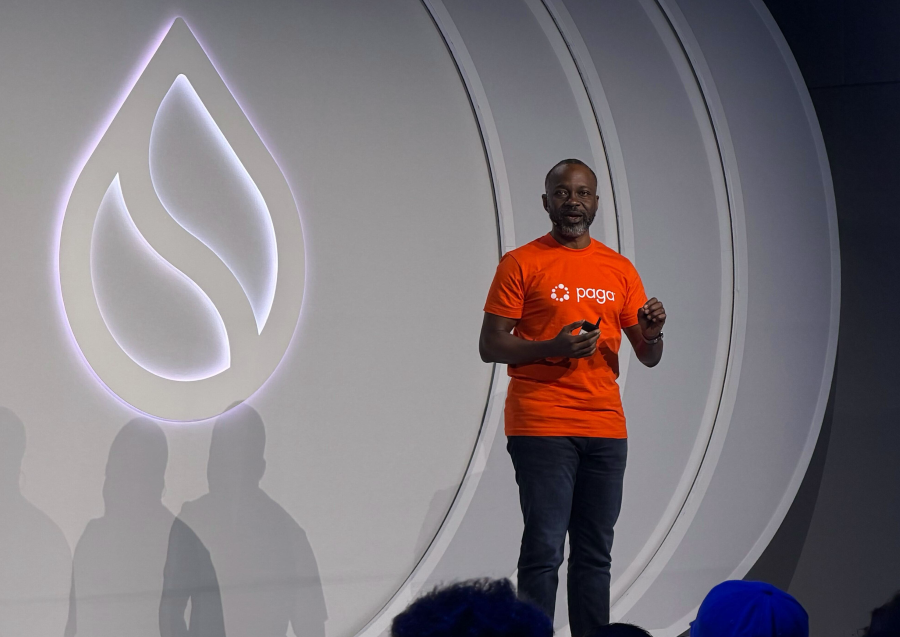
Stablecoins could unlock capital trapped in cross-border payments, Paga CEO says
Digital dollar tokens promise faster, cheaper settlements, but regulation, reserve risk and conversion costs remain unresolved.
CBN’s 350bps reset fails to pull market yields below 17%
Policy easing has not lowered market borrowing costs, exposing weak transmission and the premium investors demand for inflation and currency risk.
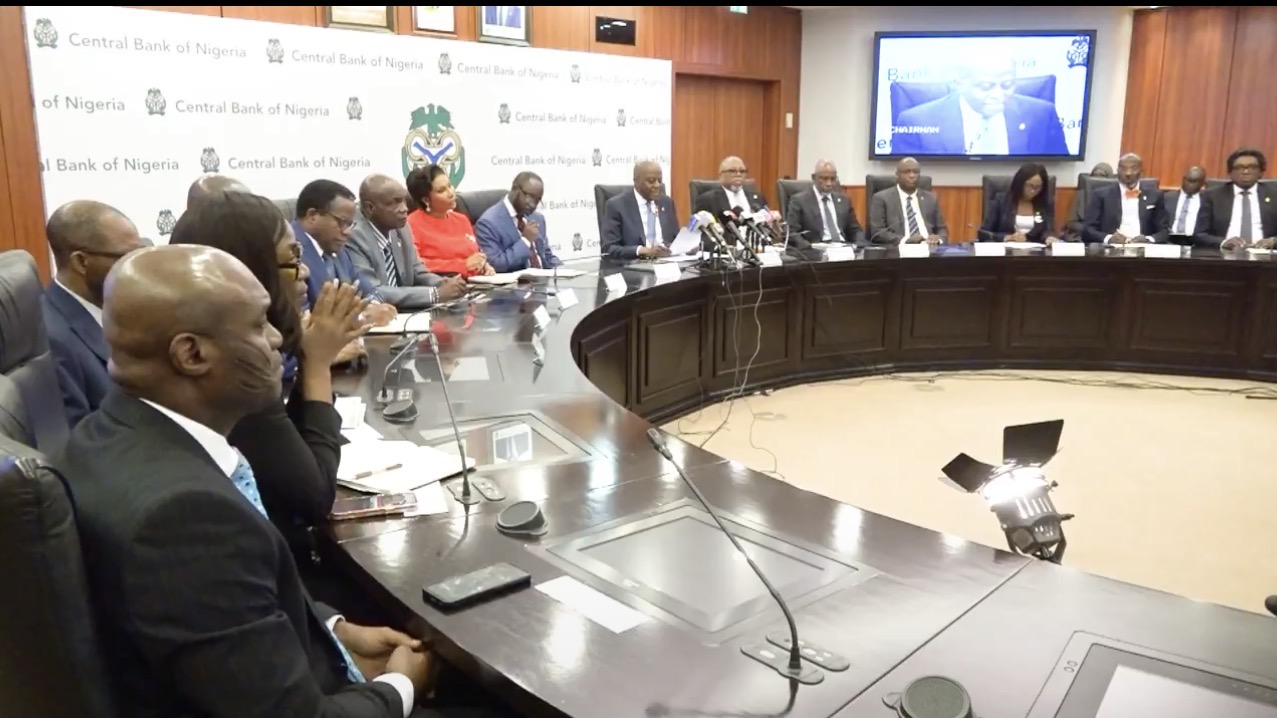
CBN roundtable puts payments and export finance at centre of reform push
Business leaders pressed the CBN on cross-border payments, export credit and investment barriers at a high-level roundtable.
About the author
Musa Abdullahi
Finance Correspondent
Musa Abdullahi writes for BusinessPress.
More by Musa Abdullahi