Uganda Hikes Key Rate 225 Basis Points to 12% in Emergency Shilling Defence
The Bank of Uganda raised its central bank rate by 225 basis points to 12% at an emergency meeting, citing oil prices, shilling depreciation and offshore selling of government bonds.

The Bank of Uganda raised its central bank rate by 225 basis points to 12% at an emergency Monetary Policy Committee meeting on October 14, the sharpest single move in years, as a falling shilling and elevated global oil prices threatened to import inflation into the economy.
The rate, held at 9.75% since October 2024, was lifted after the shilling breached 4,000 to the dollar on October 5 and fell to successive record lows, opening at about 4,152.86 on October 13. The currency has lost roughly 12% against the dollar since the start of 2026, a slide that has been among the steepest in East Africa this year.
Governor Michael Atingi-Ego said the current account had worsened significantly since the August meeting, with fuel importers driving dollar demand and offshore investors reducing holdings of Ugandan government securities. The shilling strengthened by more than 2% after the decision, closing nearer 4,090 to the dollar as traders covered short positions built during the slide. Traders said offshore accounts had reduced holdings of Ugandan paper through September, converting coupons into dollars ahead of year-end allocations.
Inflation arithmetic
Headline inflation rose to 4.6% in September from 4.1% in August, driven by higher food crop prices and the first pass-through of the weaker shilling into fuel. Core inflation, which strips out volatile food and fuel items, has climbed steadily from 3.0% in May to 3.7% in September.
The bank now projects headline inflation of 7.0% to 7.5% over the next twelve months and core inflation of 5.5% to 6.0%, above its 5% medium-term target. A cash reserve requirement increase to 13.5% from 11%, effective September 24, was the first line of defence; the rate hike is the second, heavier response.
Why pre-emptive tightening
Core inflation is still below target, which makes this a pre-emptive move rather than a response to entrenched price pressures. The bank's statement warns that a persistent fuel shock, combined with exchange rate depreciation and possible El Niño effects, could entrench inflation if policy does not act now.
The external backdrop is the proximate cause. Higher oil prices driven by Middle East conflict have raised Uganda's import bill, while global financial conditions have made dollar assets more attractive, pulling capital out of frontier bonds. The central bank cited both dynamics in justifying the emergency session.
The risk is the familiar emerging-market trade-off. Tighter money supports the currency and anchors expectations, but it also raises borrowing costs for a private sector still recovering from years of elevated rates. With the next meeting date unspecified, markets will treat 12% as the new floor until the external picture clears.
Uganda's move places it among the African central banks choosing early tightening as the Middle East energy shock ripples through import bills and currency markets.
Up next
Mainstack CEO Says Nigeria Must Measure Startups by Revenue, Not Raise Rounds
Mainstack chief Ayobami Oyaleke is urging Nigeria's startup ecosystem to judge success by revenue, retention and risk management rather than funding volumes, warning against over-reliance on debt.
More in Finance
See all
MeCure Industries Opens ₦14 Billion Commercial Paper Offer Priced at 21% Yield
MeCure Industries has opened a Series 8 commercial paper offer of up to ₦14 billion under its ₦40 billion programme, priced at a 21% gross implied yield as the drugmaker funds working capital ahead of expanding production investment.
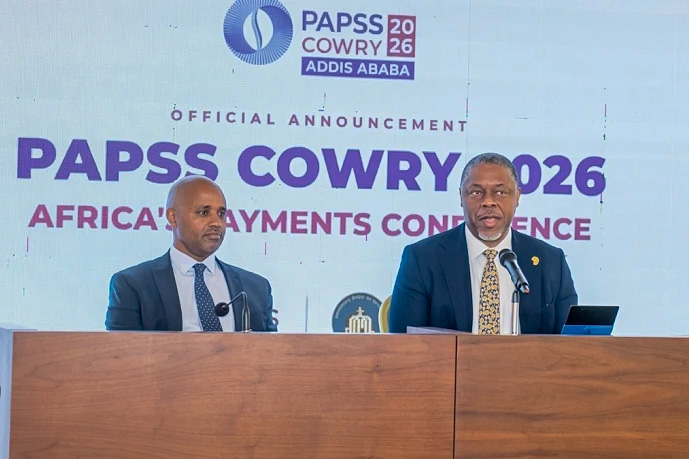
Ethiopia Joins Pan-African Payment System to Cut Cross-Border Transfer Costs
The National Bank of Ethiopia and PAPSS announced Ethiopia's entry into the continental payments network, enabling local banks to settle cross-border transactions in African currencies without routing through dollar or euro corridors.
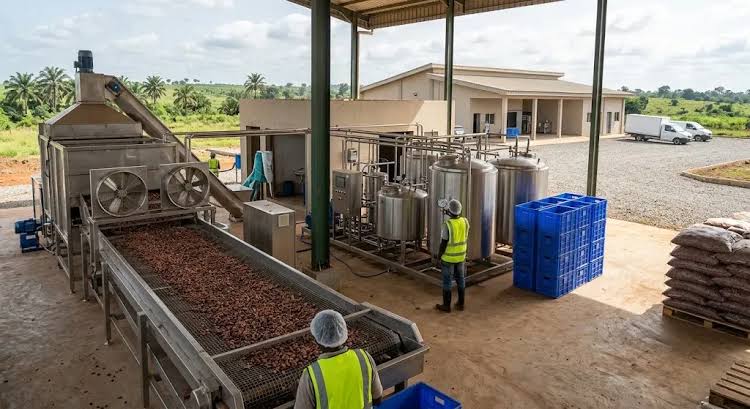
EIB Global and FCMB Launch €85 Million Facility for Nigeria's Cocoa and Dairy Chains
EIB Global and First City Monument Bank unveiled an €85 million facility for Nigerian agricultural value chains, with at least 70% earmarked for cocoa and dairy.
About the author
Musa Abdullahi
Finance Correspondent
Musa Abdullahi writes for BusinessPress.