Dangote Refinery extends IPO as African investor demand surges
The extension gives more investors time to participate in a landmark listing that tests African capital-market depth and refinery valuation.
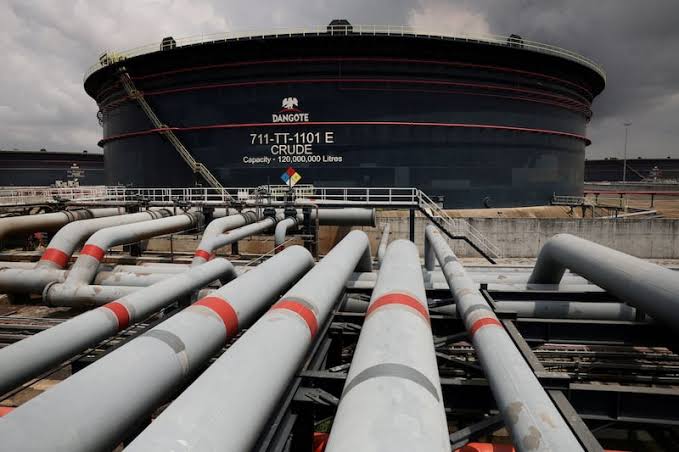
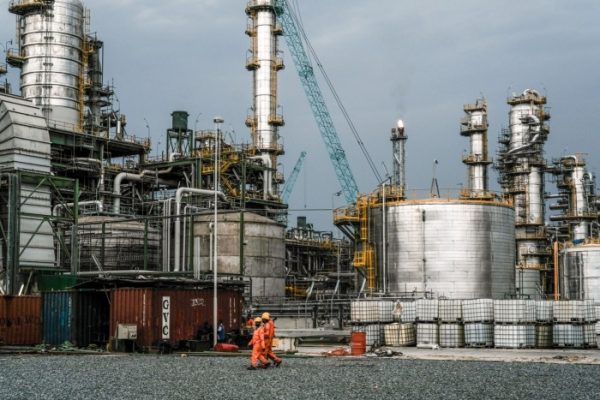
Dangote Refinery has extended its initial public offering as African investor demand surges, according to BusinessDay, a decision that underscores both the scale of interest in the asset and the complexity of completing a landmark listing. The extension gives more investors time to participate and may allow the company to raise a larger amount.
The refinery is one of Africa’s most ambitious industrial projects. It can process 650,000 barrels per day, producing petrol, diesel, jet fuel and petrochemicals. Its success would reduce Nigeria’s dependence on imported refined products and create a major export business.
The IPO is significant because it offers investors a stake in a strategic asset that has been controlled by one of Africa’s wealthiest businessmen, Aliko Dangote. It also tests the depth of African capital markets and their ability to absorb a large offering.
Why demand is strong
The refinery sits at the intersection of several investment themes: energy security, import substitution, infrastructure and African industrialisation. Investors see it as a way to gain exposure to Nigeria’s downstream sector without building a new plant.
The company’s revenues are linked to product prices and refining margins, which have been volatile. But the asset is strategically important, and the Dangote brand is well known across Africa.
Retail investors have also shown interest, attracted by the visibility of the project and the possibility of owning a piece of a national champion. The government has encouraged participation, including plans to allocate shares to students.
The listing challenge
An IPO of this size requires extensive marketing, regulatory approvals and a stable market environment. The extension suggests that the company wants to reach more investors and ensure a successful listing.
Valuation is the central question. The refinery has cost billions of dollars to build, and its earnings depend on crude prices, product prices and utilization rates. Investors will demand a discount for political and operational risk.
The listing also requires a liquid secondary market. If the shares trade thinly after listing, investors may struggle to exit, which reduces the attractiveness of the offer.
What it means for Nigeria
A successful listing would deepen Nigeria’s capital market and provide a template for other large private companies. It would also give the government a way to encourage local ownership of strategic assets.
The refinery’s operations affect the entire economy. If it runs reliably, it can supply cheaper fuel, reduce foreign-exchange demand and support industrial activity. If it falters, the country may return to imports.
The company’s relationship with regulators and the government is important. Pricing, crude supply and tax policy can all affect profitability.
The risks
Operational risk is significant. Refineries are complex facilities that require skilled staff, reliable equipment and regular maintenance. A major outage can be costly.
Market risk is also high. Refining margins can swing sharply with global supply and demand. A downturn could reduce earnings just as investors expect returns.
Currency risk affects both costs and revenues. If the naira weakens, imported equipment and debt service become more expensive. If product prices are set in dollars, the company may benefit, but local pricing rules complicate the picture.
The outlook
The extension is a pragmatic decision. It gives the company more time to complete the offer and may improve the final outcome. But it also signals that the process is not as straightforward as initially hoped.
For investors, the IPO offers exposure to a unique asset with strong strategic value. The key is to understand the valuation, the governance structure and the risks.
If the listing succeeds, it could be a turning point for Nigeria’s capital market and for African industrial finance. If it struggles, it will be a cautionary tale about the difficulty of listing large, complex assets in frontier markets.
Up next
Ibile Holdings takes 51% of LASACO as insurer cuts losses
Ibile’s majority stake reshapes LASACO’s ownership as the insurer reduces accumulated losses and moves closer to dividends.
More in Corporate
See all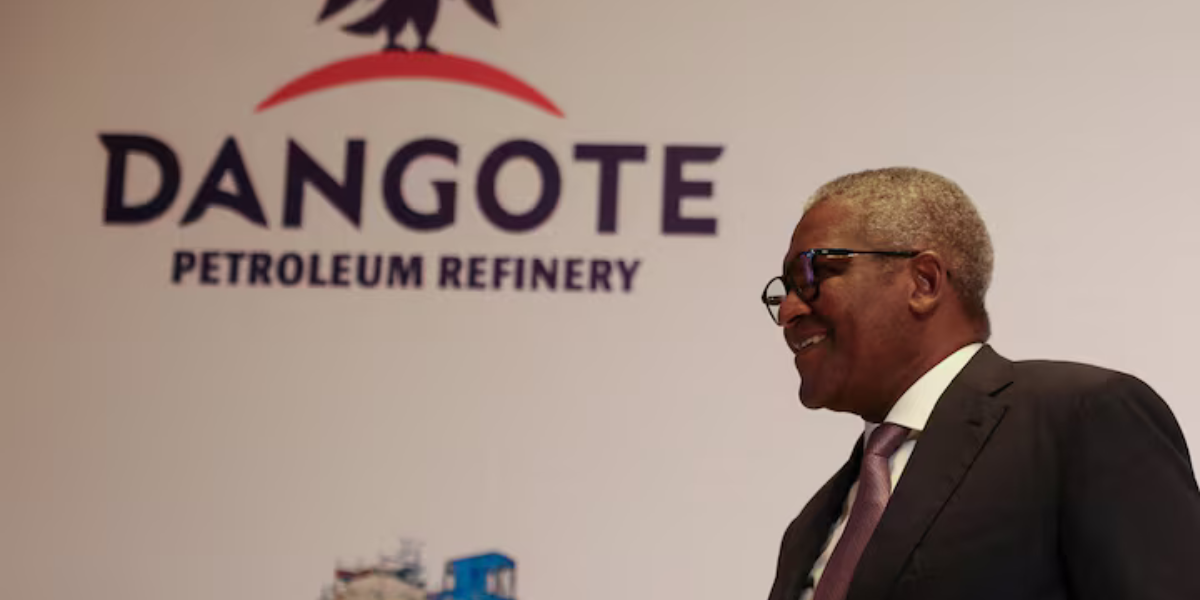
Kenyan Court Lifts Restriction on Dangote's $16bn Lamu Refinery as IPO Widens
A Kenyan court cleared an interim order after petitioners cited the wrong land parcel, while Botswana was picked to host the Southern African leg of Dangote's refinery IPO.
Dangote Refinery Posts N6.29 Trillion Profit in First Nine Months of 2026
Dangote Petroleum Refinery reported a profit of about N6.29 trillion (about $4.73 billion) for the first nine months of 2026, cementing its turnaround.

Airtel Money IPO allocates 270 million shares ahead of London debut
Conditional trading began on 9 October, with full admission expected on 14 October as Airtel Africa retains its strategic holding.
About the author
Yaw Boateng
Corporate Reporter
Yaw Boateng writes for BusinessPress.