Oil Heads for Weekly Gain as Brent Holds Above $105 on Supply Risks
Brent eased about 0.5 per cent to roughly $105.30 but was set for a weekly gain as Middle East shipping risk, Hurricane Isaias shut-ins and pressure for a 100 million barrel IEA reserve release kept the market unsettled.

Oil prices eased in early trading on Friday but were on course for a weekly gain, with Brent crude holding above $105 a barrel as investors weighed persistent Middle East supply risks against rising pressure for emergency reserve releases.
Brent futures fell about 50 cents, or 0.5 per cent, to roughly $105.30 a barrel, while US West Texas Intermediate slipped below $98. For the week, Brent was up about 0.5 per cent and WTI had jumped almost 6 per cent, reversing earlier losses after a turbulent stretch of trading.
The gap between the two benchmarks has itself become a talking point, because it reflects where the risk premium is being priced — in seaborne crude rather than in US domestic barrels.
A market divided between futures and physical barrels
One of the more striking features of the current market is the distance between the futures screen and the physical market. The International Energy Agency's October report put physical Dated Brent at about $134 a barrel, far above the futures price of roughly $105. That gap points to tightness in the physical market that the paper market has not fully captured.
Supporting that view, the IEA reported that on-land oil stocks fell by about 113 million barrels in September, leaving inventories at their lowest level since at least 2016. Low inventories make the market more sensitive to any disruption, and disruptions have been plentiful.
Sanctions and the shadow fleet
The United States has tightened its squeeze on Iran's oil exports. On 8 October, the US Treasury designated 17 vessels and 17 companies linked to Tehran's so-called shadow fleet — the network of tankers that moves sanctioned crude outside conventional shipping and insurance channels. Washington said the action effectively neutralises much of Iran's remaining capacity and pledged to keep monitoring for evasion.
The designations add a layer of shipping cost and uncertainty. Traders are now weighing whether the sanctions will remove barrels from the market or merely redirect them, and whether the measures will prompt retaliation that further endangers tanker traffic.
Uncertainty over the Strait of Hormuz remains the single largest tail risk. Reports this week suggested Iran was reviewing a proposal to reopen the waterway within days, while the US maintained a naval blockade of Iranian ports. Nine vessels have reportedly been targeted over the past week — a reminder of how quickly shipping risk can escalate.
Reserve releases enter the conversation
Against that backdrop, the US has pressed the International Energy Agency and its members to consider releasing additional emergency oil reserves, with proposals pointing to as much as 100 million barrels. President Donald Trump also said Washington did not intend to send ground troops into Iran, a signal that tempered some of the geopolitical premium.
Supply-side events have added to the volatility. Hurricane Isaias forced producers in the Gulf of Mexico to shut in roughly 1.3 million barrels per day as of Thursday, according to US regulators. China, meanwhile, is set to resume refined fuel exports in October after a pause during the Golden Week holiday, easing product tightness in Asia.
What Nigeria should watch
For Nigeria, the stakes cut both ways. Oil above $100 supports government revenue and dollar inflows, which have helped stabilise the naira and build external reserves. But expensive crude also raises the cost of imported refined products and adds to the fuel-subsidy arithmetic that already weighs on public finances.
The immediate question is whether the risk premium holds. If reserve releases materialise and Middle East tensions ease, Brent could retreat toward the high-$90s, trimming the windfall. If shipping disruptions worsen, the physical market's strength could pull futures higher again — and with them, Nigeria's budget assumptions and the outlook for its currency.
Up next
African Equities End Mixed as Investors Turn to South Africa's Mini-Budget
More stocks fell than rose across 17 African exchanges on Thursday, with Uganda leading index gains and Ghana the weakest, while attention shifted to Enoch Godongwana medium-term budget on 21 October and a possible R70 billion revenue windfall.
More in Markets
See all
NGX Extends Recovery as Oil and Gas Rally Lifts Market Value to N160.83 Trillion
The All-Share Index edged up 0.01 per cent to 247,707.13 points for a second straight gain, but decliners outpaced gainers and the value of trades contracted sharply, leaving the rally resting on a narrow band of energy stocks.

DMO Rejects Higher Yield Demands and Allots N269 Billion at Treasury Bill Auction
Investors bid up to 18.18 per cent on the one-year bill but the Debt Management Office allotted only N269.06 billion against N450 billion offered, rejecting about 78 per cent of 364-day bids to keep a lid on borrowing costs after the rate cut.
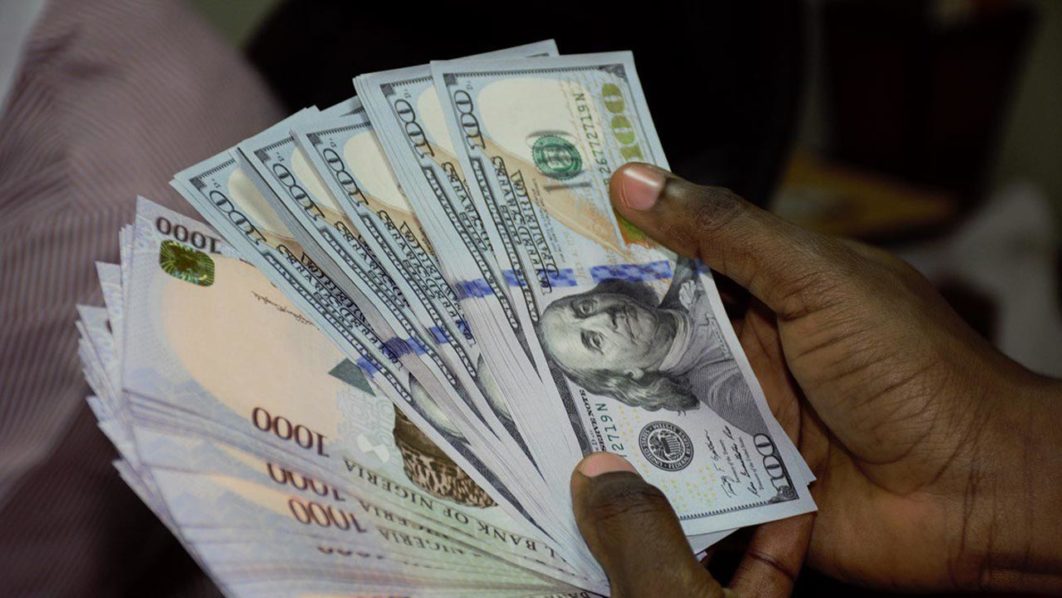
Naira Holds Near N1,331 as Parallel-Market Gap Narrows to 2.88 per Cent
The official NFEM rate firmed to N1,331.61 to the dollar while street quotes sat around N1,375 to N1,390, leaving a spread that has compressed sharply as reserves climb and central bank FX sales stay low.
About the author
Adaeze Okonkwo
Markets Editor
Adaeze Okonkwo writes for BusinessPress.
More by Adaeze Okonkwo