IMF Projects Nigeria's Economy Will Grow 4.2% in 2026 as Global Growth Holds at 3.1%
The IMF has projected that Nigeria's economy will expand by 4.2% in 2026 and 4.3% in 2027, outpacing a global economy held back by tighter conditions and uneven momentum.
The International Monetary Fund has projected that Nigeria's economy will expand by 4.2 per cent in 2026 and 4.3 per cent in 2027, keeping the country among the faster-growing large economies in Africa even as the global recovery loses some of its momentum.
In its latest World Economic Outlook, released at the start of the IMF and World Bank Annual Meetings in Bangkok, the Fund said global growth would settle at 3.1 per cent in 2026 and 3.4 per cent in 2027 — a performance it described as steady but underwhelming for an economy still working through the aftershocks of the pandemic, higher energy costs and tighter financial conditions.
Nigeria outpaces the global average
Nigeria's 4.2 per cent projection for 2026 sits comfortably above the global figure and is roughly in line with the estimate published by the World Bank, which put first-half growth at 4.2 per cent. The drivers are familiar: a stronger services sector, recovering agricultural output, the removal of the petrol subsidy and the unification of the exchange rate, which have together widened the fiscal space and stabilised the naira.
The IMF's forecast implies that Nigeria will grow faster than the world economy for a third consecutive year. That matters because growth is the only durable route out of the country's debt and revenue traps. A larger economy broadens the tax base, reduces the debt-to-GDP ratio and creates the jobs that a fast-growing population needs.
Growth that is steady but not transformative will not be enough to compress poverty at the pace Nigeria requires. The composition of growth matters as much as its headline rate.
The risks the Fund flagged
The outlook was not universally bright. The IMF warned that a sharp correction in global artificial intelligence valuations could spill over into financial markets, tightening conditions for emerging economies and reducing appetite for frontier-market debt. Nigeria, which has leaned heavily on portfolio inflows, would be exposed to a sudden reversal of that hot money.
The Fund also repeated its long-standing concern about debt sustainability across low-income countries and cautioned that the adoption of artificial intelligence could displace workers in sectors that have traditionally absorbed Nigeria's young labour force. Its researchers estimate that a large share of jobs could be exposed to automation, a risk that compounds the country's already severe unemployment challenge.
Why execution is the test
Forecasts of 4.2 per cent growth are welcome, but they are a starting point rather than an achievement. Nigeria's recent growth has been driven partly by base effects and by sectors that employ relatively few people. To convert the IMF's numbers into better living standards, the government will need to lift private investment, improve power supply, reduce the cost of doing business and channel spending into infrastructure and human capital.
The Annual Meetings in Bangkok, which bring together finance ministers and central bank governors through the week, provide a stage for those arguments. For Nigeria, the priority is less about defending the growth rate and more about making it count for the households and businesses that have yet to feel the recovery.
Up next
Will Nigeria's Biggest Rate Cut Unlock Cheaper Credit?
Nigeria's central bank has delivered its largest-ever cut to the benchmark rate. The question now is whether banks will pass it on to the businesses and households that need affordable credit.
More in Economy
See all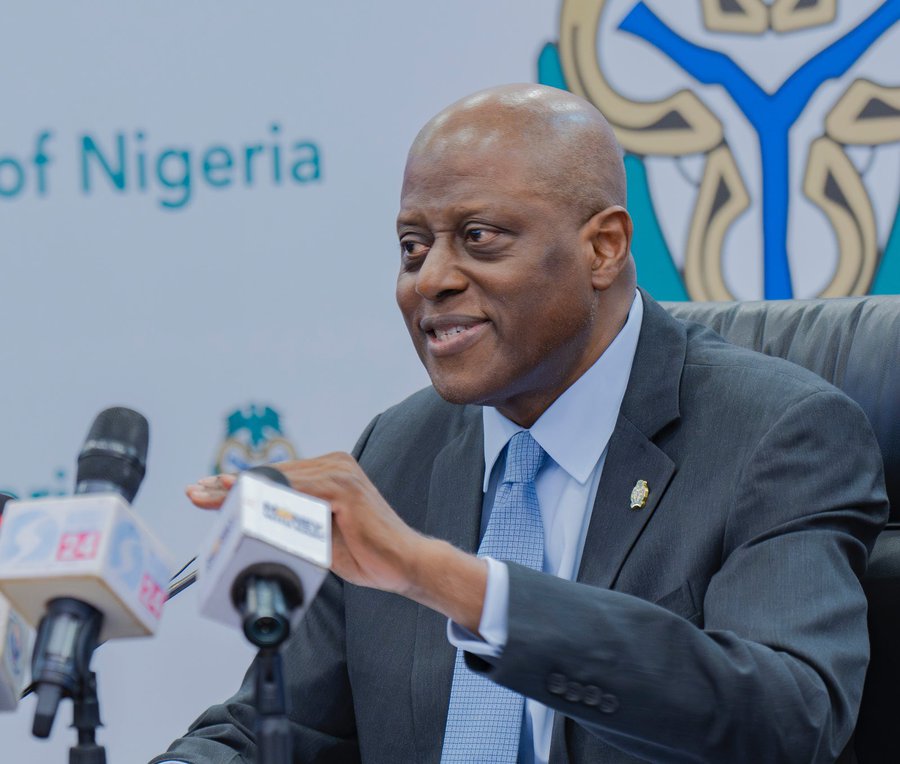
CBN Cuts Monetary Policy Rate to 23% in Its Largest-Ever Easing Move
The Central Bank of Nigeria lowered its benchmark interest rate by 350 basis points on September 22, 2026, the steepest cut on record, as inflation eased for a third straight month and reserves strengthened.
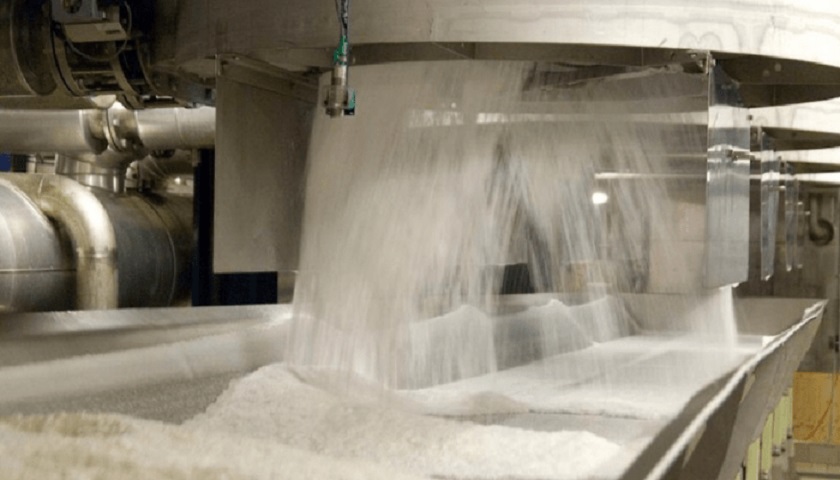
Nigeria Unveils $7.1 Billion Sugar Master Plan to Cut Imports and Create 110,000 Jobs
The National Sugar Development Council has unveiled a $7.1 billion, ten-year investment plan to lift annual sugar production above two million tonnes and cut reliance on imports.

Nigeria's Foreign Direct Investment Plunges 92% to $11 Million in September
Nigeria's foreign direct investment fell 92% month-on-month to $11 million in September, highlighting the gap between hot portfolio money and long-term capital commitments.
About the author
Tunde Balogun
Economics Correspondent
Tunde Balogun writes for BusinessPress.
More by Tunde Balogun