IMF Warns Nigeria's Fast Growth Is Failing to Lift Millions Out of Poverty
The IMF has warned that Nigeria's improving economic indicators are not reaching the poorest households, questioning whether the country's reforms are creating shared prosperity.
The International Monetary Fund has warned that Nigeria's improving economic indicators are not translating into relief for the country's poorest households, renewing a debate about whether the reforms of the past three years are reaching the people they were meant to help.
Speaking around the release of the Fund's latest World Economic Outlook, IMF officials noted that Nigeria's growth, projected at 4.2 per cent in 2026, has outpaced much of the world but has failed to make a comparable dent in poverty. The disconnect echoes a message the World Bank has delivered repeatedly: stabilisation is necessary, but it is not the same thing as shared prosperity.
Growth without inclusion
Nigeria's economy has expanded even as millions of households absorbed the shock of subsidy removal, a weaker naira and a cost-of-living crisis that pushed food inflation above 20 per cent at its worst. The reforms have strengthened the government's balance sheet and restored investor confidence, but the benefits have concentrated in the formal economy — banking, telecoms, oil and gas — while the informal sector that employs most Nigerians remains squeezed.
That pattern has left policymakers with an uncomfortable arithmetic. The country can post respectable gross domestic product numbers while the share of its citizens living below the poverty line rises. Growth that is not broad-based does not build the tax base, does not soften social tension and does not create the productive jobs needed for a population growing faster than the economy.
Macroeconomic stability is the foundation, not the house. Without investment in jobs, human capital and infrastructure, the recovery will remain visible in the data but absent in daily life.
What the Fund recommends
The IMF's prescription is familiar. It calls for sustained fiscal discipline to keep debt service manageable, greater private investment to lift productivity, and targeted social protection to cushion the vulnerable while reforms take root. It also stresses the importance of revenue mobilisation, arguing that Nigeria's low tax-to-GDP ratio limits the state's ability to invest in the very services that would make growth inclusive.
Critics of the reform path argue the sequencing has been wrong — that the government removed costly but popular subsidies before building the safety nets that would have protected the poor. Supporters counter that delay would only have deepened the fiscal crisis and that the pain is transitional.
The political clock
With national elections approaching, the gap between headline growth and lived experience is becoming politically charged. Demonstrations over fuel prices and living costs, and the recent ultimatum from the Nigeria Labour Congress, show that public patience is finite.
For the government, the task is to convince Nigerians that the gains are coming. The IMF's warning is a reminder that the credibility of Nigeria's reform programme will ultimately be judged not by its bond spreads or its credit outlook, but by whether ordinary families can see their circumstances improve. On that measure, the work has barely begun.
Up next
JPMorgan to Open Nigerian Merchant Bank as Nigeria Joins Its Frontier Bond Index
The US banking giant plans to establish a merchant bank in Nigeria before the end of 2026 and has added the country to a new emerging-market bond index, in twin votes of confidence for the capital market.
More in Economy
See all
Nigeria's Poverty Rate Rises to 38.7% as Global MPI Tops 1.2 Billion People
Nigeria's poverty rate rose to 38.7% in 2024 from about 33% in 2021, according to the 2026 Global Multidimensional Poverty Index, which recorded the first global rise since 2010.
CBN Cuts Monetary Policy Rate to 23% in Its Largest-Ever Easing Move
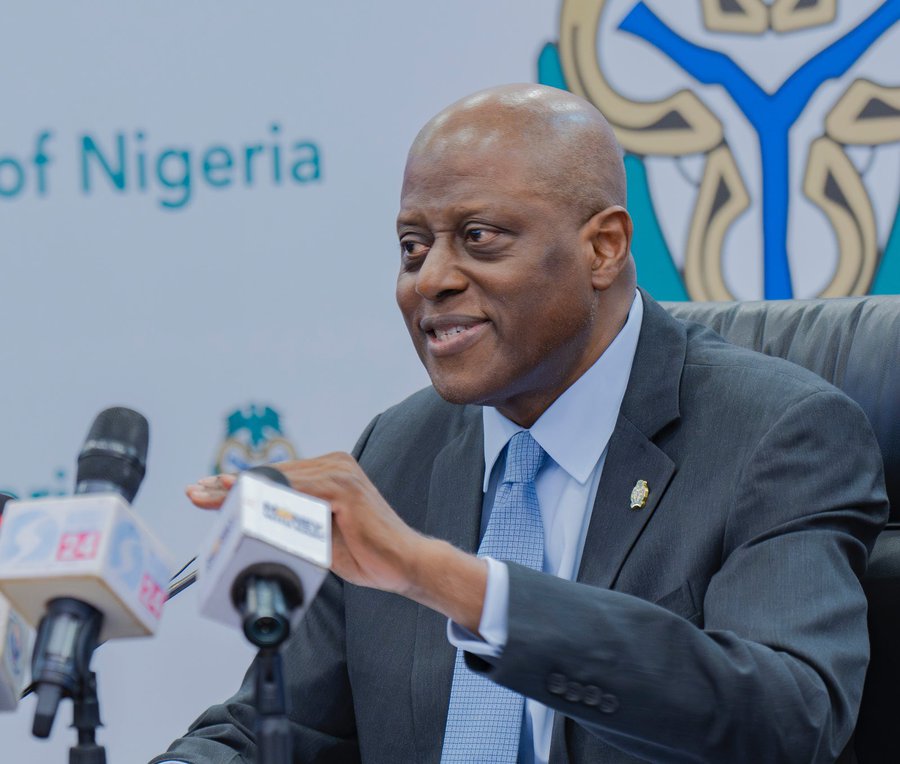
The Central Bank of Nigeria lowered its benchmark interest rate by 350 basis points on September 22, 2026, the steepest cut on record, as inflation eased for a third straight month and reserves strengthened.
Nigeria Unveils $7.1 Billion Sugar Master Plan to Cut Imports and Create 110,000 Jobs
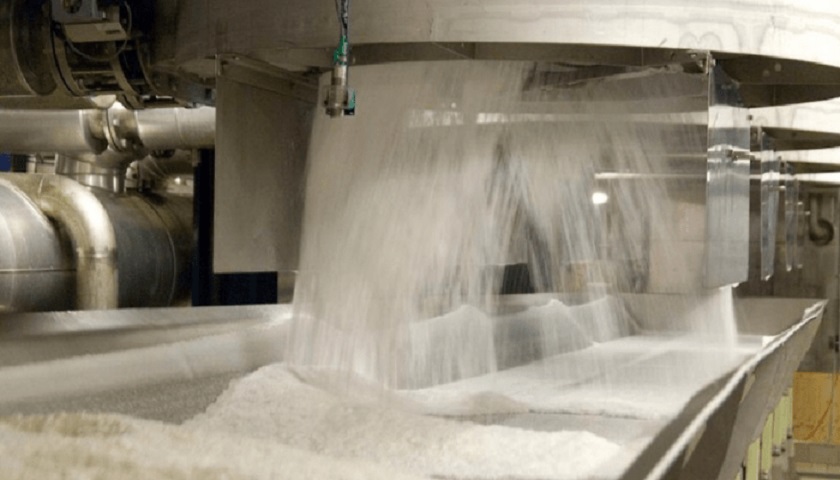
The National Sugar Development Council has unveiled a $7.1 billion, ten-year investment plan to lift annual sugar production above two million tonnes and cut reliance on imports.
About the author
Tunde Balogun
Economics Correspondent
Tunde Balogun writes for BusinessPress.
More by Tunde Balogun