Nigeria's Foreign Direct Investment Plunges 92% to $11 Million in September
Nigeria's foreign direct investment fell 92% month-on-month to $11 million in September, highlighting the gap between hot portfolio money and long-term capital commitments.
Nigeria's foreign direct investment collapsed by 92 per cent month-on-month to $11 million in September 2026, from $136.5 million in August, in a stark reminder that the portfolio money flooding into the country's bond and equity markets is not being matched by long-term commitments to factories, plants and jobs.
The data, drawn from the Central Bank of Nigeria's foreign exchange flows, showed that while foreign portfolio investment climbed to $2.9 billion from $1.7 billion over the same period, genuine direct investment slumped. Total inflows through the Nigerian Autonomous Foreign Exchange Market slipped 1.5 per cent to $5.1 billion, and central bank foreign exchange sales dropped 66 per cent to $479.2 million.
Hot money versus hard investment
The divergence captures one of the central anxieties about Nigeria's recovery. Portfolio inflows can be withdrawn within days, driven by interest-rate differentials and index decisions. Foreign direct investment, by contrast, builds capacity and is far stickier. When the former surges while the latter dries up, the external position appears stronger than it really is.
Domestic inflows in September also weakened, falling to $2.1 billion from $3.3 billion, led by a 20 per cent drop in exporters' proceeds to $940.4 million. Taken together, the figures suggest that the economy is attracting speculative rather than committed capital.
A country that lives on hot money is rich on paper and fragile in practice. The quality of capital matters as much as the quantity.
Why investors hesitate
Investors weighing long-term commitments cite a familiar list of concerns: insecurity in parts of the country, infrastructure deficits, multiple taxation, policy uncertainty and the difficulty of repatriating profits. Official reports have also flagged corruption, detention risk and regulatory unpredictability as deterrents. These are not new problems, but they matter more when global capital is selective.
The September collapse also reflects timing. A single month's FDI figures are volatile and can be distorted by the completion of large transactions. Yet the broader trend is telling: even as Nigeria's credit outlook improves and foreign reserves rise, companies remain reluctant to bet on the real economy.
What would change the picture
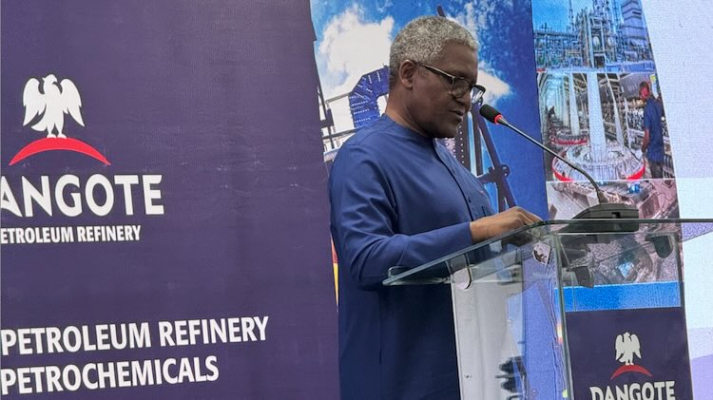
Analysts argue that reversing the decline requires tangible improvements in the investment climate. Streamlined approvals, reliable power, better security, consistent tax policy and a credible pipeline of large projects would do more than any advertising campaign. The Dangote Refinery IPO and the government's privatisation plans are potential catalysts, but they need to be followed by a steady stream of comparable deals.
For now, the September numbers underscore a paradox at the heart of Nigeria's recovery: capital is returning, but not to stay. Bridging that gap is the difference between a rally and a genuine transformation.
Up next
World Bank Moves to Mobilise $5.79 Billion in Private Financing for Nigeria
The World Bank Group says it is helping to mobilise up to $5.79 billion in private financing for Nigeria in 2026, a push projected to support about 850,000 direct and indirect jobs.
More in Economy
See all
Nigeria Trade Surplus Doubles to N12.6 Trillion in Q2 2026
Africa's largest economy posted a record quarterly trade surplus in the second quarter of 2026 as exports outpaced imports, with non-crude receipts now accounting for more than half of outbound trade.
CBN Cuts Monetary Policy Rate to 23% in Its Largest-Ever Easing Move
The Central Bank of Nigeria lowered its benchmark interest rate by 350 basis points on September 22, 2026, the steepest cut on record, as inflation eased for a third straight month and reserves strengthened.
Marketers Seek Extension of Petrol Discount as MRS Adjusts Pump Prices
Independent marketers are pressing for an extension of the 30-day petrol discount, warning of fresh price increases when the window lapses.
About the author
Tunde Balogun
Economics Correspondent
Tunde Balogun writes for BusinessPress.
More by Tunde Balogun