Nigeria's Poverty Rate Rises to 38.7% as Global MPI Tops 1.2 Billion People
Nigeria's poverty rate rose to 38.7% in 2024 from about 33% in 2021, according to the 2026 Global Multidimensional Poverty Index, which recorded the first global rise since 2010.

Nigeria's poverty rate rose to 38.7 per cent of its population in 2024, from about 33 per cent in 2021, according to the 2026 Global Multidimensional Poverty Index, adding roughly 17.9 million people to the ranks of the multidimensionally poor in just three years.
The report, published jointly by the United Nations Development Programme and the Oxford Poverty and Human Development Initiative, found that 1.2 billion people worldwide — about 18.9 per cent of humanity — live in acute multidimensional poverty. It is the first time the global figure has risen since the index began in 2010, a reversal the authors attribute to conflict, climate shocks and economic stress.
What the index measures
Unlike income-based poverty lines, the index captures overlapping deprivations in health, education and living standards, including nutrition, child mortality, years of schooling, cooking fuel, sanitation, water and electricity. A household counts as multidimensionally poor when it is deprived in at least a third of these indicators. The approach matters for Nigeria because it shows how poverty persists even where some indicators improve.
Nigeria's trajectory is sobering. The country's strong headline growth in recent quarters has not offset the effects of high inflation, which eroded purchasing power, or of the security and climate shocks that emptied farms and displaced communities in the north. The rise in poverty sits awkwardly alongside improving credit ratings and rising foreign reserves, exposing the gap between macroeconomic and household outcomes.
Poverty is not only a shortage of income. It is the compounding of poor health, limited schooling and unreliable services that trap families across generations.
Regional concentration
The burden is not evenly spread. Nigeria's northern states, which combine weaker infrastructure, lower school enrolment and greater insecurity, carry a disproportionate share of the deprivation. Rural communities fare worse than urban ones, and children are especially exposed, a pattern that risks locking in disadvantage for decades.
The report's authors argue that the trend is not inevitable. Countries that invested in nutrition, schooling and basic services while growing their economies cut multidimensional poverty far faster than those that relied on growth alone. For Nigeria, that points to the importance of spending quality — not just spending quantity — and of targeting interventions at the poorest households.
The policy stakes
The findings land as the government defends its reform programme and as the World Bank warns that the share of Nigerians in poverty could climb further if current pressures persist. Development economists argue that cash transfers, school feeding, health insurance and rural infrastructure are not luxuries to be funded after growth but inputs that make growth durable.
The 2026 index is a reminder that Nigeria's economic story is being told in two registers: one of stabilisation and investor confidence, the other of rising deprivation. Reconciling the two is the central challenge facing policymakers, and the cost of failure is measured in the futures of an entire generation.
Up next
Airtel Money Debuts on London Stock Exchange at £5.3 Billion Valuation
Airtel Money has debuted on the London Stock Exchange in one of the largest African listings in years, with a planned secondary listing in Lagos.
More in Economy
See all
IMF Warns Nigeria's Fast Growth Is Failing to Lift Millions Out of Poverty
The IMF has warned that Nigeria's improving economic indicators are not reaching the poorest households, questioning whether the country's reforms are creating shared prosperity.

Nigeria Trade Surplus Doubles to N12.6 Trillion in Q2 2026
Africa's largest economy posted a record quarterly trade surplus in the second quarter of 2026 as exports outpaced imports, with non-crude receipts now accounting for more than half of outbound trade.
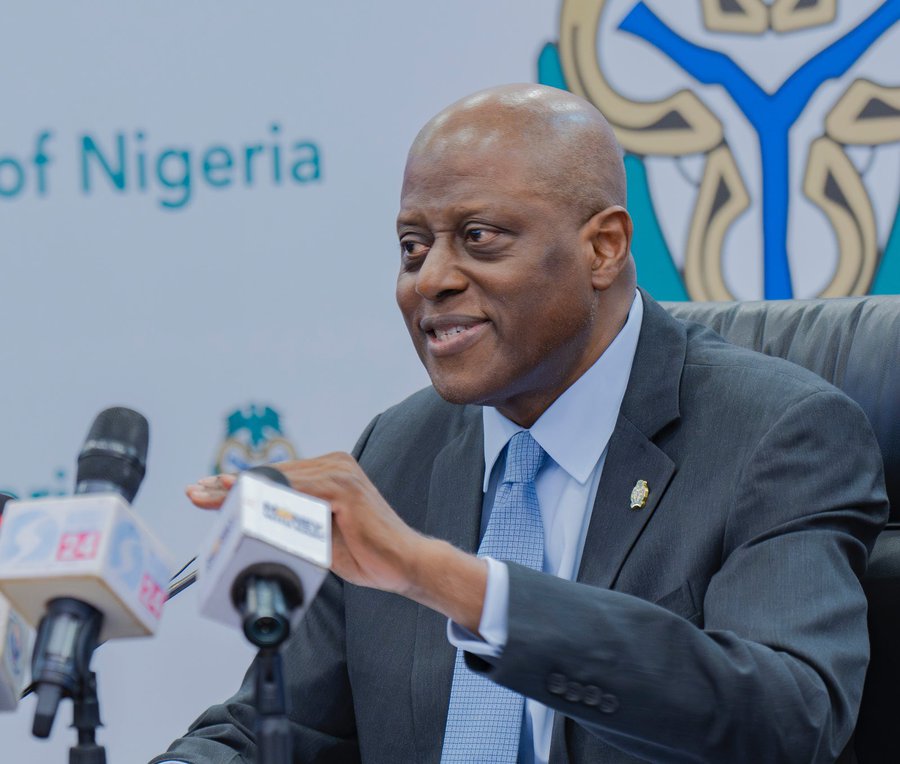
CBN Cuts Monetary Policy Rate to 23% in Its Largest-Ever Easing Move
The Central Bank of Nigeria lowered its benchmark interest rate by 350 basis points on September 22, 2026, the steepest cut on record, as inflation eased for a third straight month and reserves strengthened.
About the author
Tunde Balogun
Economics Correspondent
Tunde Balogun writes for BusinessPress.
More by Tunde Balogun