Kenya targets April 2027 exit from FATF grey list
Kenya has cleared 19 of 21 FATF action items and aims to exit the grey list by April 2027 after raising its cash-withdrawal reporting threshold and moving to tighten rules on frozen assets and proliferation financing.
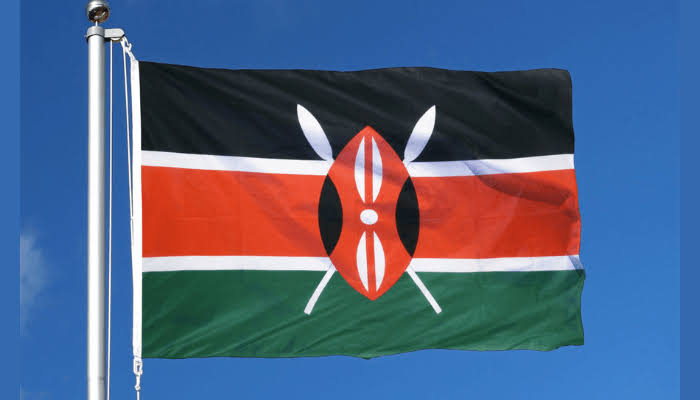
Kenya has targeted April 2027 to exit the Financial Action Task Force grey list after clearing 19 of the 21 action items set out in its agreed action plan, according to the Financial Reporting Centre. The agency said six of those items had been completed in the preceding two and a half months as the country moves to strengthen its defences against money laundering, terrorism financing and the financing of the proliferation of weapons of mass destruction.
Progress ahead of delisting target
Speaking before the National Assembly Committee on Delegated Legislation, Financial Reporting Centre Director-General Naphtaly Kipchirchir Rono told lawmakers that Kenya was well placed to meet its timeline. "Where we are in our efforts to delist from the grey list as a country is we are in a fairly good place. We have now addressed 19 action items out of the 21 action items," Rono said, according to statements reported by Kenyan outlets on October 13 and 14, 2026. "We are optimistic that with the momentum and with the support from yourselves and the other stakeholders, we should be able to exit the grey list by April next year." The committee is chaired by Ainabkoi MP Samuel Chepkonga and was examining regulations on implementation of United Nations Security Council resolutions relating to terrorism financing at the time of the briefing.
FRC Director of External Relations James Manyonge, who appeared alongside Rono, outlined some of the practical adjustments made as part of the reforms. Among them was raising the cash-withdrawal threshold that triggers reporting requirements to $15,000, equivalent to about KSh1.8 million. Manyonge also told lawmakers that individuals seeking access to frozen assets must follow a formal process and provide supporting evidence. He said the FRC was preparing to submit proliferation-financing regulations to Parliament in the coming days to help close the remaining gaps in the action plan.
Practical implications for the financial system
The FATF grey list comprises jurisdictions identified as having strategic deficiencies in their systems to combat money laundering, terrorist financing and, where applicable, proliferation financing, but which have committed to addressing those weaknesses under an agreed action plan. Placement on the list does not amount to a financial sanctions designation, but it increases the level of monitoring and can lead to higher compliance costs for financial institutions and businesses when dealing with cross-border counterparties. Kenya's planned exit would help reduce those friction costs and reinforce its standing as a regional financial hub.
The reform effort has required coordination across multiple government agencies and with financial institutions to demonstrate not only that new laws and regulations have been adopted, but also that they are being implemented effectively. Rono indicated that most of the remaining work is focused on ensuring the durability of recent measures as Kenya prepares for a follow-up review by the FATF. Lawmakers were told that sustained political and institutional support would be critical to maintaining momentum in the final stretch to April 2027.
Next steps to full compliance
With two action items still outstanding, Kenya's immediate priority is to complete the remaining reforms and to demonstrate their consistent application ahead of the targeted exit date. The submission of the proliferation-financing regulations to Parliament is expected to form part of that effort. Once implemented, those rules will add another layer of oversight to transactions that could be used to finance the spread of weapons of mass destruction, a requirement that has gained prominence in global assessments of financial integrity.
The FRC's briefing marked a clear signal of intent from Kenyan authorities to conclude the process that began when the country was placed under increased monitoring. While the timeline remains an objective rather than a guarantee, the scale of progress reported — with nearly 90 per cent of action items addressed and a strong pace over recent months — points to a realistic path to exiting the grey list by April 2027. For businesses and investors, the prospect of delisting offers the prospect of lower due-diligence burdens and a firmer foundation for cross-border financial flows as Kenya consolidates its economic recovery efforts.
Up next
IMF Sees Sub-Saharan Africa Growing 4.5% in 2026 as Aid Flows Shrink
The IMF's October Regional Economic Outlook upgraded Sub-Saharan Africa's 2026 growth forecast to 4.5% while warning that bilateral aid will fall another 12% after dropping about a quarter in 2025.
More in Finance
See all
Africa credit outlook improves as reforms ease debt pressure
Moody's has revised sub-Saharan Africa's outlook to positive as reforms, commodity prices and better financing ease debt pressures, though interest burdens remain high for several countries including Kenya and Zambia.

AFC Appoints CBN Governor Yemi Cardoso as Chairman of the Board
Cardoso succeeds Ireti Samuel-Ogbu at the helm of the Africa Finance Corporation, adding a continental infrastructure-finance role to his central bank duties.

Financial Services Drive $9.64bn FX Demand as Sector Appetite Hits 15-Year High
Banks, fintechs and insurers are now the biggest source of dollar demand, underscoring how Nigeria's FX market is being reshaped by a deeper financial system.
About the author
Yaw Boateng
Corporate Reporter
Yaw Boateng writes for BusinessPress.
More by Yaw Boateng
Dangote expands refinery IPO to Egyptian investors
Corporate4 hrs ago