Kenya MPs Extend Fuel VAT Relief, Costing Treasury KSh81 Billion
Kenya's National Assembly has extended the reduced 8 per cent VAT rate on petroleum products for three months, forgoing about KSh81 billion in revenue to cushion consumers as crude prices rise.
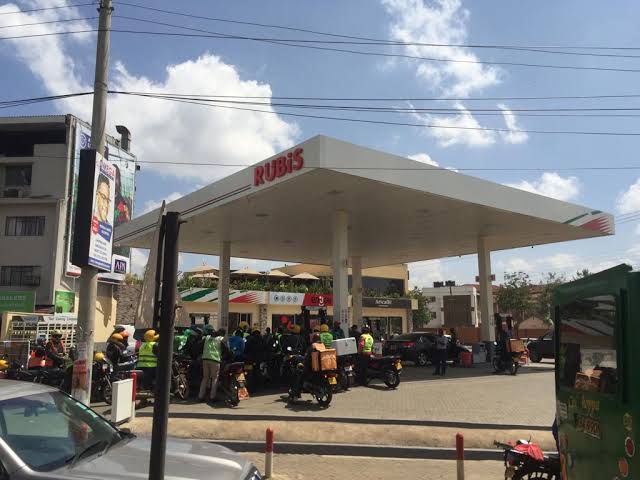
Kenya’s National Assembly has voted to extend a tax relief on petroleum products for another three months, preventing the value-added tax rate on petrol, kerosene and diesel from reverting to the standard 16 per cent from the reduced eight per cent.
The Tax Laws (Amendment) Bill, 2026, which retains the lower rate, is expected to be transmitted to the President for assent on Thursday, October 15, 2026, and is to take effect retrospectively from October 14, when the initial relief lapsed.
The extension cushions motorists and businesses from an immediate increase of about KSh16 per litre on petrol and diesel, but it also deepens the hole in government revenue at a time when the Treasury is already stretched.
A Sh81 Billion Revenue Cost
According to the National Treasury, Kenya has been forgoing about KSh9 billion a month since April 14, 2026, when VAT on petroleum products was cut from 16 per cent to eight per cent through amendments to the VAT Act.
That translates into an estimated KSh54 billion in foregone revenue over the past six months, a figure projected to rise to about KSh81 billion by the end of the fresh three-month extension.
The measure keeps prices at the pump lower than they would otherwise be, providing relief to households and transport-dependent businesses, but it also delays fiscal consolidation as the government pursues revenue targets under its economic programme.
Middle East Turmoil Raises The Stakes
The decision comes amid disruptions to crude oil supplies linked to the crisis in the Middle East, which have roiled shipping through key routes and pushed international oil prices higher.
Kenya relies entirely on imported petroleum products, leaving it exposed to global price swings, while its limited strategic fuel reserves constrain its ability to cushion the economy against prolonged supply disruptions. Holding the reduced VAT rate therefore acts as a buffer against imported inflation, even as it complicates the fiscal arithmetic.
The National Treasury Cabinet Secretary retains the power to extend the reduced rate for a further 90 days through a gazette notice without fresh parliamentary approval, the mechanism used when the initial relief period expired.
Regional Echoes For Nigeria
Kenya’s dilemma mirrors debates across African economies, including Nigeria, where the removal of petrol subsidies and the movement toward market-based pricing have stoked inflation and cost-of-living concerns. Both countries are balancing the political imperative to keep fuel affordable against the fiscal cost of relief measures and the need to fund budgets.
For Kenya, the immediate effect is continuity: pump prices will not jump in line with the expiry of the relief, and the government buys time while monitoring global crude markets. The longer-term question is how long the Treasury can absorb the lost revenue without derailing its deficit and debt targets.
With the Bill headed for presidential assent, attention turns to whether the relief will be extended again at the end of the new three-month window, and how the government intends to replace the forgone revenue as pressure on public finances mounts.
Up next
Gold Hits Record High as Oil Slides and Markets Hedge Global Risk
Bullion climbed to about $4,145 an ounce on central-bank buying and rate-cut bets, diverging from crude in a market that is hedging rather than celebrating.
More in Finance
See all
AFC Appoints CBN Governor Yemi Cardoso as Chairman of the Board
Cardoso succeeds Ireti Samuel-Ogbu at the helm of the Africa Finance Corporation, adding a continental infrastructure-finance role to his central bank duties.
Financial Services Drive $9.64bn FX Demand as Sector Appetite Hits 15-Year High
Banks, fintechs and insurers are now the biggest source of dollar demand, underscoring how Nigeria's FX market is being reshaped by a deeper financial system.
Standard Bank Signs Deal to Invest in OPay Ahead of New York Listing
Standard Bank Group has signed a subscription agreement to invest in OPay, expected to close around the fintech's planned New York listing, subject to the offering and regulatory approvals.
About the author
Musa Abdullahi
Finance Correspondent
Musa Abdullahi writes for BusinessPress.