Africa credit outlook improves as reforms ease debt pressure
Moody's has revised sub-Saharan Africa's outlook to positive as reforms, commodity prices and better financing ease debt pressures, though interest burdens remain high for several countries including Kenya and Zambia.
Sub-Saharan Africa's credit outlook has improved to positive, according to Moody's Ratings, as economic reforms, commodity prices and greater access to financing help to ease debt pressures across much of the region. The shift marks a cautious turning point for sovereigns that have grappled with rising borrowing costs and high interest burdens over recent years, with several countries now on a more stable footing to service their obligations.
Reforms driving a more favourable outlook
In an assessment published on October 7, 2026, Moody's revised its outlook for sub-Saharan Africa to positive from stable, expecting regional growth of 4.3 per cent in both 2026 and 2027. The ratings agency projected government financing needs to fall to 11.2 per cent of gross domestic product in 2027 from 12.3 per cent in 2025, while total government debt is forecast to decline to 56.6 per cent of GDP in 2027 from 62.4 per cent in 2025. Eight of the 25 sub-Saharan African sovereigns rated by Moody's carry positive outlooks, including Nigeria, South Africa, Namibia, Angola, Togo, Ghana, the Republic of Congo and Zambia. Thirteen remain stable, while Mauritius, Gabon, Mali and Senegal hold negative outlooks.
The improvement reflects a combination of policy measures, from tighter fiscal management to efforts to rebuild foreign-exchange buffers, alongside relatively firm commodity prices and improved access to international financing. For many countries, these factors have helped to contain inflationary pressures and to strengthen external positions. Nigeria, in particular, has been among those benefiting from reforms that have boosted foreign-exchange reserves and improved its resilience to external shocks, a trend that supported Moody's decision to keep its outlook on the country positive in August 2026, with its rating held at B3.
Persistent debt-servicing challenges
Despite the more encouraging outlook, debt-servicing costs remain a heavy burden for several economies. Moody's estimates that Kenya and Zambia could spend about 35 per cent of government revenue on interest payments in 2027, underscoring the strain that high borrowing costs continue to place on public finances. Across the continent, the scale of the problem has grown sharply over the past decade and a half: Africa's external debt service hit $163 billion in 2024, up from $61 billion in 2010, according to figures from the African Union cited in coverage of the Moody's report.
The concentration of investment-grade ratings also highlights the region's limited access to cheaper capital. Only Botswana and Mauritius are currently rated investment grade among sub-Saharan African sovereigns, leaving most countries to contend with higher risk premia when tapping international markets. Even so, the broader shift towards more positive outlooks has the potential to improve investor sentiment and support demand for African sovereign debt, provided that the momentum behind reforms is maintained and global financing conditions remain supportive.
External confidence building gradually
The positive regional trend has been mirrored by recent rating actions on Nigeria. Fitch Ratings revised Nigeria's outlook to positive from stable on October 9, 2026, while affirming its long-term issuer default rating at 'B'. The move followed a rise in foreign-exchange reserves to $54.9 billion and further signs of disinflation, with Fitch noting that sustained implementation of reforms, continued reserve accumulation and stronger non-oil revenue mobilisation could support an upgrade over time. S&P Global Ratings had earlier upgraded Nigeria to 'B' in May 2026, adding to a run of favourable assessments for Africa's largest economy.
For policymakers, the challenge now is to translate the improved outlook into lasting gains in debt sustainability. The projected decline in debt-to-GDP ratios offers breathing space, but high interest payments and recurring financing needs mean that fiscal consolidation must remain a priority. With growth set to hold around 4.3 per cent over the next two years, the region has an opportunity to reinforce its recovery, but the durability of that progress will depend on continued reform momentum, prudent borrowing and the ability to broaden revenue bases across a diverse set of economies.
Up next
AfDB, Lagos back 610 women-owned firms
Lagos State and the African Development Bank have launched a scheme to support 610 women-led businesses with training, mentoring and grants to improve access to finance.
More in Finance
See all
Kenya MPs Extend Fuel VAT Relief, Costing Treasury KSh81 Billion
Kenya's National Assembly has extended the reduced 8 per cent VAT rate on petroleum products for three months, forgoing about KSh81 billion in revenue to cushion consumers as crude prices rise.
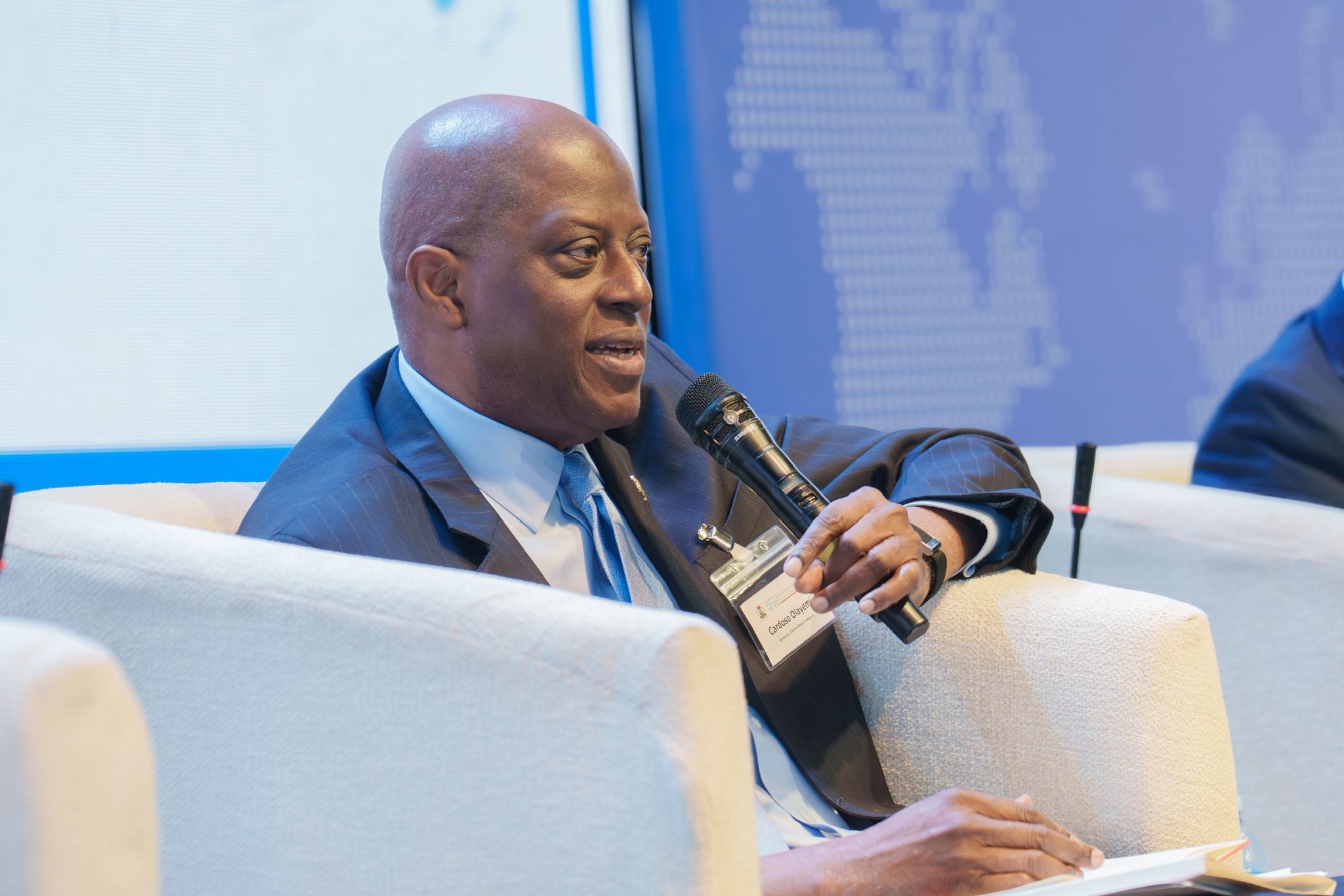
AFC Appoints CBN Governor Yemi Cardoso as Chairman of the Board
Cardoso succeeds Ireti Samuel-Ogbu at the helm of the Africa Finance Corporation, adding a continental infrastructure-finance role to his central bank duties.

Financial Services Drive $9.64bn FX Demand as Sector Appetite Hits 15-Year High
Banks, fintechs and insurers are now the biggest source of dollar demand, underscoring how Nigeria's FX market is being reshaped by a deeper financial system.
About the author
Musa Abdullahi
Finance Correspondent
Musa Abdullahi writes for BusinessPress.