Marketers Seek Extension of Petrol Discount as MRS Adjusts Pump Prices
Independent marketers are pressing for an extension of the 30-day petrol discount, warning of fresh price increases when the window lapses.
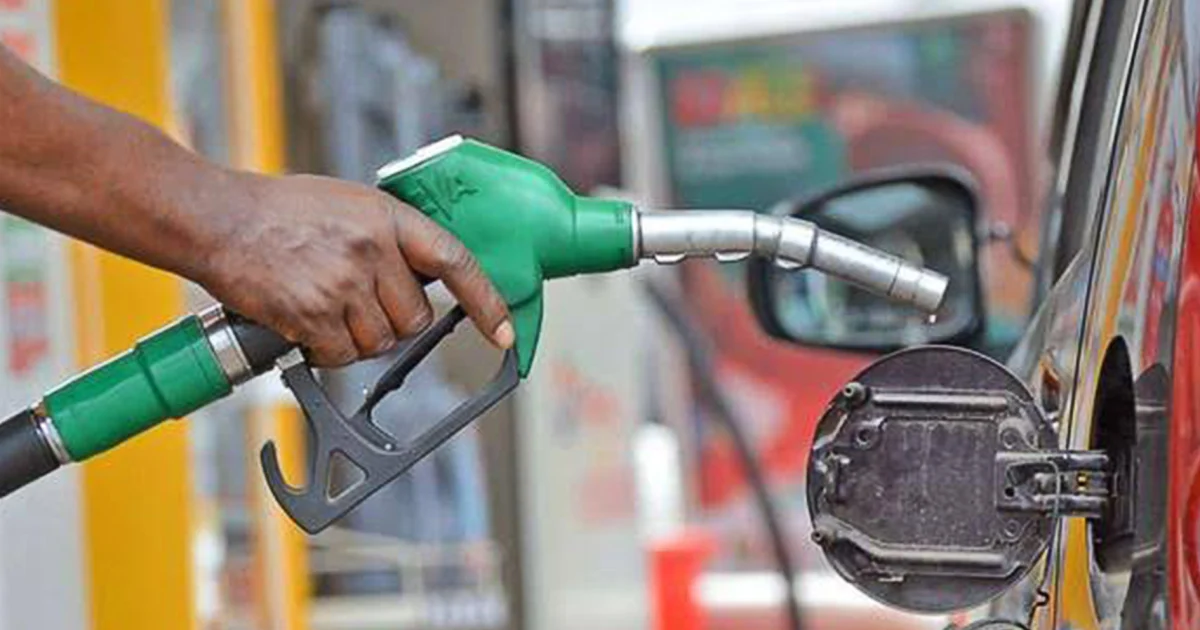
Independent petroleum marketers are pressing the federal government to extend its 30-day petrol discount beyond its initial window, warning that the scheme's expiry could trigger a fresh round of price increases and destabilise the downstream market.
The marketers' appeal came as MRS Oil and other retailers adjusted their own pump prices in response to shifting costs and competitive pressure, highlighting the volatility that persists even as domestic refining capacity grows.
The marketers' argument
Marketers say the discount has distorted the market by giving NNPC retail stations a pricing advantage that smaller operators cannot match. When the discount ends, they argue, consumers will face a sharp increase unless underlying costs have fallen enough to sustain lower prices. They want the window extended, or the playing field levelled so that all retailers can compete fairly.
Their concern is partly commercial self-interest and partly a genuine market signal. A temporary discount on one network's stations can divert customers and squeeze competitors' volumes and margins, potentially forcing weaker operators out of business. If enough marketers exit, competition — and the consumer benefit it brings — could erode.
Cheap fuel at one company's stations is only good news if it lasts and if competitors survive to keep that company honest.
Mixed signals on prices
The price picture across the country is uneven. Some stations have reduced prices, reflecting the Dangote refinery's growing supply and the discount scheme; others have raised them, citing logistics, location and currency costs. The result is a fragmented market in which the price a motorist pays can vary significantly from one station to the next.
That fragmentation is a feature of a deregulated market, but it makes life hard for consumers and gives ammunition to those who want the government to intervene more heavily. It also complicates the politics of reform: a market that produces volatile, geographically inconsistent prices is easier to attack than one that delivers steadily falling costs.
The policy test
The coming weeks will reveal whether Nigeria's downstream deregulation can deliver stable, affordable fuel without permanent government support. If prices rise when the discount lapses, the government may face renewed pressure to reintroduce broad support — a step that would threaten the fiscal gains won by removing the subsidy.
The alternative is to let the market adjust, with domestic refining capacity providing the foundation for lower costs over time. That path requires patience and a tolerance for short-term volatility. Whether Nigerian policymakers and consumers have that tolerance is the central question of the reform era.
Up next
UK Universities Withdraw Offers to Nigerian Students as Visa Refusals Mount
British universities have withdrawn offers to Nigerian students as higher visa refusal rates prompt institutions to tighten screening.
More in Economy
See all
CBN Cuts Monetary Policy Rate to 23% in Its Largest-Ever Easing Move
The Central Bank of Nigeria lowered its benchmark interest rate by 350 basis points on September 22, 2026, the steepest cut on record, as inflation eased for a third straight month and reserves strengthened.
Nigeria Unveils $7.1 Billion Sugar Master Plan to Cut Imports and Create 110,000 Jobs
The National Sugar Development Council has unveiled a $7.1 billion, ten-year investment plan to lift annual sugar production above two million tonnes and cut reliance on imports.

Nigeria's Foreign Direct Investment Plunges 92% to $11 Million in September
Nigeria's foreign direct investment fell 92% month-on-month to $11 million in September, highlighting the gap between hot portfolio money and long-term capital commitments.
About the author
Tunde Balogun
Economics Correspondent
Tunde Balogun writes for BusinessPress.
More by Tunde Balogun