NLC Gives Federal Government Two-Week Ultimatum on Petrol Price, Minimum Wage
The Nigeria Labour Congress has given the federal government two weeks to address petrol prices and the minimum wage, warning of industrial action.
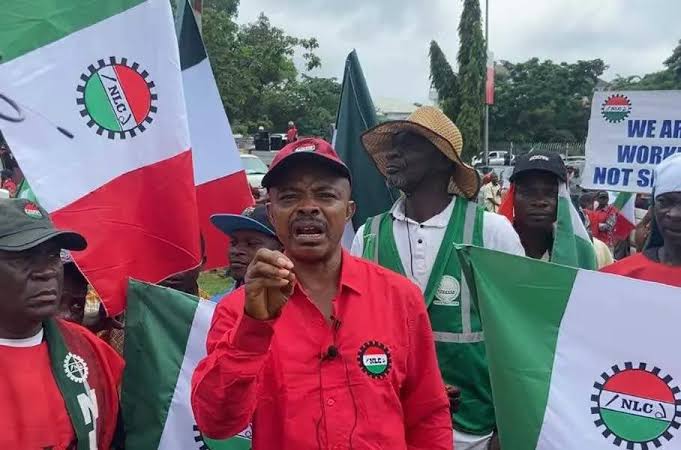
The Nigeria Labour Congress has issued a two-week ultimatum to the federal government, demanding action on petrol prices and the minimum wage and warning of industrial action if its concerns are not addressed.
The deadline, set by NLC president Joe Ajaero, reflects the deepening frustration of organised labour over the cost-of-living crisis that followed the removal of the petrol subsidy. Workers argue that the reforms have inflicted pain on ordinary Nigerians while the promised benefits — cheaper fuel, lower inflation, better services — have yet to materialise for most households.
The workers' case
Labour's demands centre on two issues: the price of petrol and the level of the national minimum wage. The removal of the subsidy more than tripled pump prices in a short period, and the naira's devaluation magnified the impact on imported goods. For workers earning the minimum wage, the erosion of purchasing power has been severe.
A new national minimum wage was signed into law in 2024, but labour contends that it has already been overtaken by inflation and that many states and private employers have been slow to implement it. Rising transport, food and energy costs have made the statutory floor insufficient to meet basic needs in most parts of the country.
Reform without a safety net is not reform; it is a transfer of hardship onto the people least able to bear it.
The government's dilemma
The government faces a difficult balancing act. It wants to preserve the fiscal gains from removing the subsidy and to convince investors that it will not reverse course. But it also faces a restive population and the risk that prolonged labour action could disrupt the economy and undermine the recovery it is trying to engineer.
The 30-day petrol discount at NNPC stations is one attempt to bridge the gap. Labour, however, has made clear that temporary measures are not enough. It is seeking structural responses: a wage floor that reflects the cost of living, and a fuel-pricing framework that does not place the entire burden on consumers.
The stakes
A strike would be costly. Nigeria has a history of labour shutdowns that have paralysed ports, hospitals, schools and government offices, with knock-on effects on an already fragile economy. Both sides have reason to reach a settlement before the deadline.
Yet the underlying dispute is not easily resolved. It pits the imperatives of fiscal discipline against the demands of social justice, in a country where the state's ability to cushion shocks is limited. The two-week window is short, but it is enough time to negotiate — or to prepare for confrontation.
Up next
Federal Government Introduces 30-Day Petrol Discount at NNPC Stations
The federal government has rolled out a 30-day petrol discount at NNPC stations, a temporary measure to ease household costs amid lingering reform pressures.
More in Economy
See all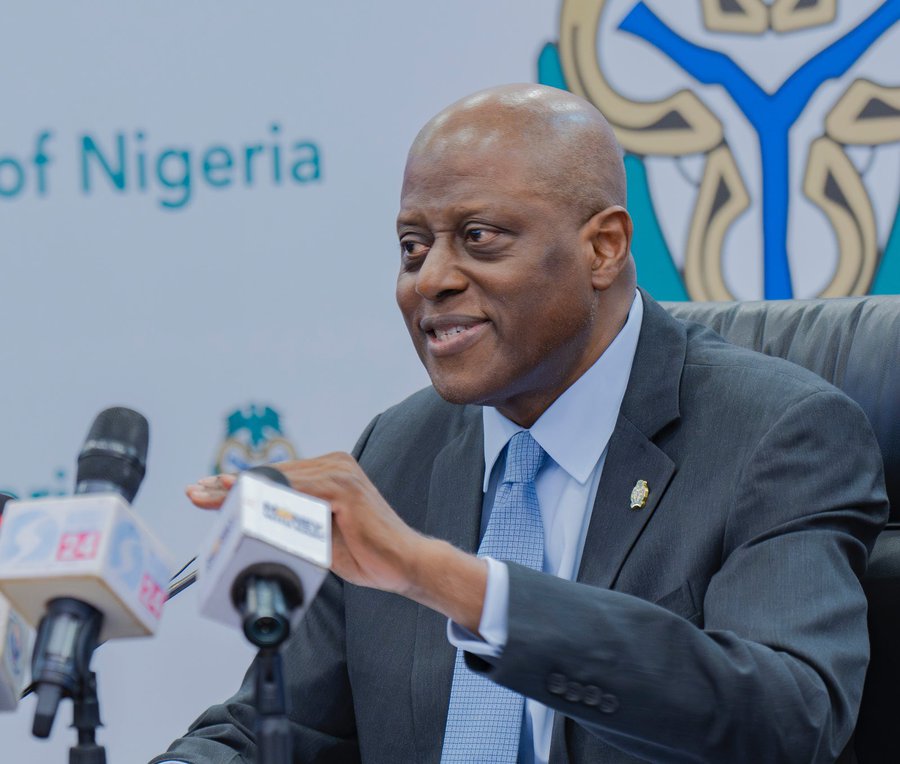
CBN Cuts Monetary Policy Rate to 23% in Its Largest-Ever Easing Move
The Central Bank of Nigeria lowered its benchmark interest rate by 350 basis points on September 22, 2026, the steepest cut on record, as inflation eased for a third straight month and reserves strengthened.
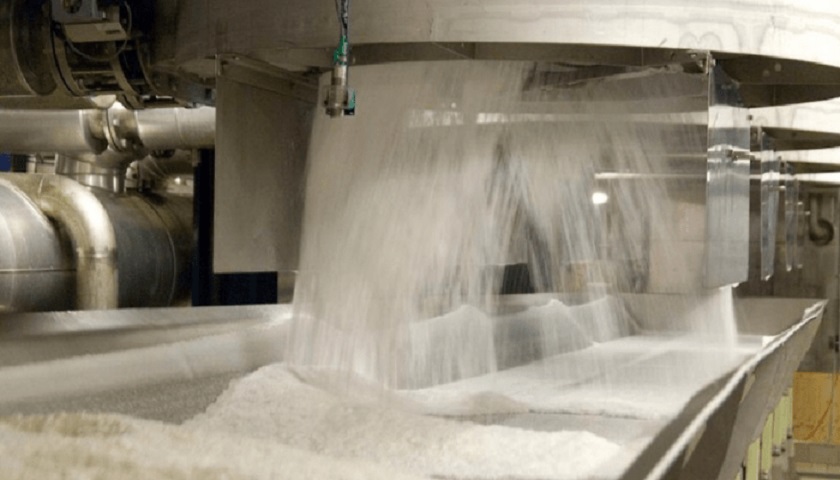
Nigeria Unveils $7.1 Billion Sugar Master Plan to Cut Imports and Create 110,000 Jobs
The National Sugar Development Council has unveiled a $7.1 billion, ten-year investment plan to lift annual sugar production above two million tonnes and cut reliance on imports.

Nigeria's Foreign Direct Investment Plunges 92% to $11 Million in September
Nigeria's foreign direct investment fell 92% month-on-month to $11 million in September, highlighting the gap between hot portfolio money and long-term capital commitments.
About the author
Tunde Balogun
Economics Correspondent
Tunde Balogun writes for BusinessPress.
More by Tunde Balogun