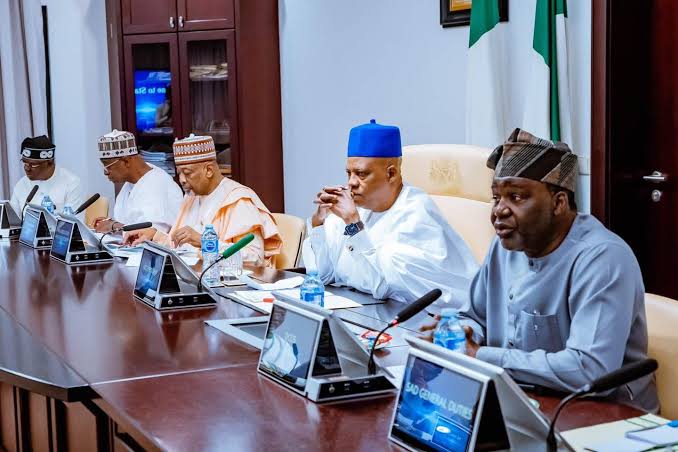
Nigeria expects fiscal deficit below 4.2% as revenue improves
Finance Minister Taiwo Oyedele expects Nigeria's fiscal deficit to come in below 4.2 per cent of GDP, even as public debt rises to $121 billion and the World Bank warns of a wider consolidated gap.
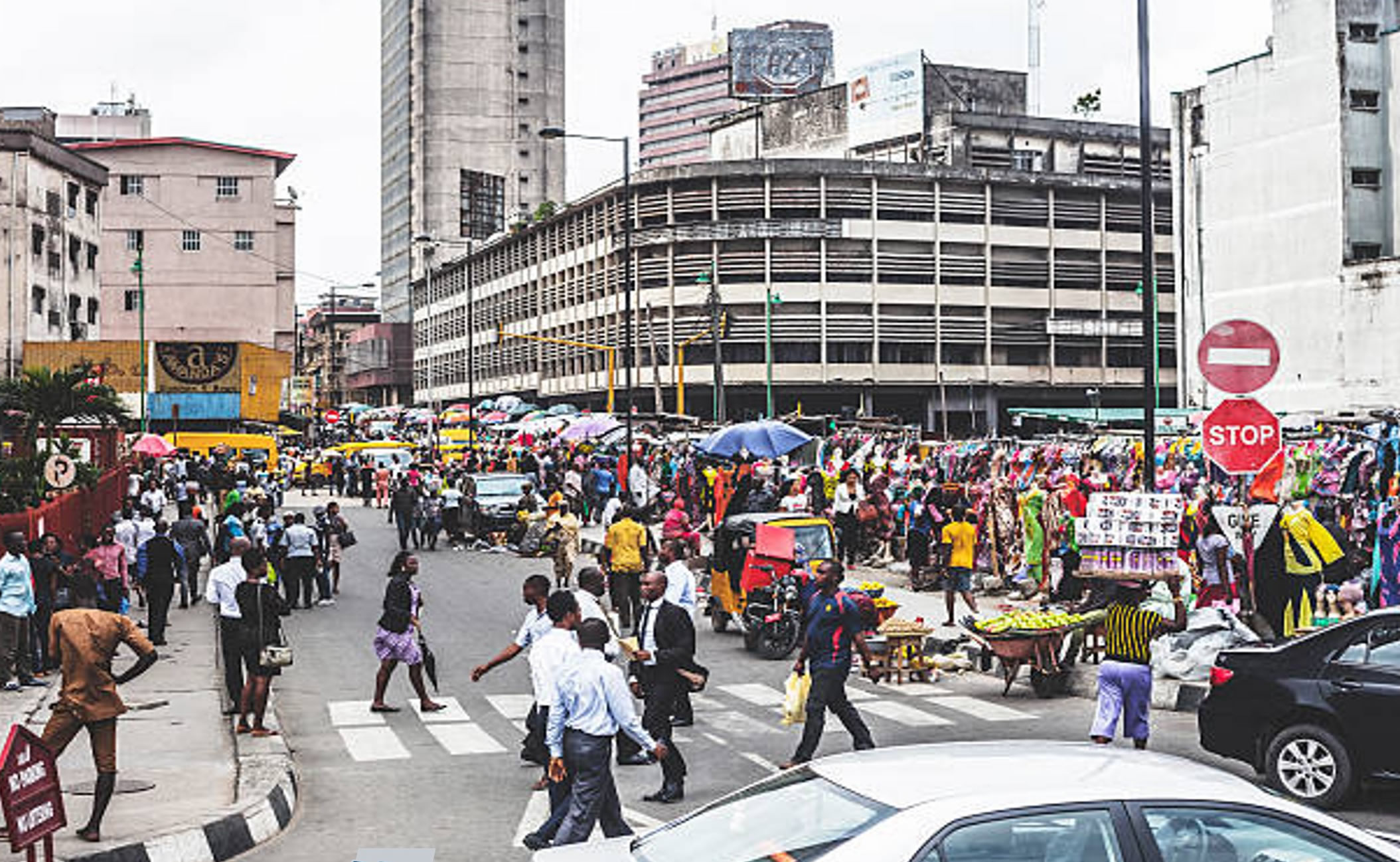
Nigeria expects its fiscal deficit to come in below 4.2 per cent of gross domestic product this year, according to Finance Minister Taiwo Oyedele, as higher revenue and a rethinking of the government’s borrowing plan improve the budget outlook.
Oyedele told Bloomberg in London on Wednesday, October 21, that the deficit would be narrower than the 4.2 per cent target set in the budget. He said the government had reviewed its priorities and concluded that the cost of debt relative to revenue was moving in the right direction. The final figure would be better than the target, not worse, he said.
The optimism is notable because Nigeria’s public debt remains large. Total public debt stood at $121 billion in June 2026, up 21 per cent from a year earlier, according to Debt Management Office data. The increase reflects new borrowing, naira depreciation and the cost of servicing existing obligations.
Two measures of the deficit
The government’s 4.2 per cent target refers to the federal budget deficit. The World Bank uses a broader measure: the consolidated government deficit, which includes the federal government, states and local governments. On that measure, the picture is less favourable.
The World Bank expects Nigeria’s consolidated deficit to widen this year, driven by state infrastructure spending, federal personnel costs, interest payments and pre-election spending. That is a different diagnosis from the finance ministry’s, and it helps explain why the government and the bank sometimes appear to be talking past each other.
The distinction matters for investors. A narrower federal deficit is good news for federal borrowing, but it does not necessarily mean that the overall public sector is consolidating. If states and local governments are spending more, the consolidated deficit can widen even as the federal deficit falls.
The interest-burden dispute
The World Bank has also highlighted the burden of interest payments. Its data show that in the first half of 2026, interest payments exceeded federal revenue by 24 per cent. The finance ministry disputes that calculation, arguing that the World Bank’s interest figure includes payments by other tiers of government and that its revenue figure excludes some receipts.
The dispute is technical, but the underlying issue is real. Nigeria spends a large share of its revenue on debt service. When interest payments consume more than revenue, the government must borrow to pay interest, which increases the debt stock and makes future interest payments even larger.
The government says its reforms are changing that dynamic. It has removed fuel subsidies, unified exchange rates, tightened tax administration and reduced leakages. Those measures have increased revenue, but they have also raised costs for households and businesses.
Revenue is improving, but from a low base
Nigeria’s revenue-to-GDP ratio has historically been low, which is why the government has focused on tax reform. The Presidential Committee on Fiscal Policy and Tax Reforms has proposed changes to VAT, income tax and tax administration, with the aim of raising revenue without stifling investment.
Oyedele said the government’s priority was to reduce the cost of debt relative to revenue. That is a more meaningful metric than the deficit alone, because it captures both sides of the fiscal equation. A government can run a small deficit but still be vulnerable if its revenue is weak and its interest bill is high.
The improvement in revenue has been helped by higher oil prices, increased tax collection and the removal of subsidies. But oil revenue remains volatile, and non-oil revenue is still below its potential. The government needs a more diversified tax base if it wants to reduce its reliance on borrowing.
Monetary policy and the debt market
The fiscal outlook is closely linked to monetary policy. The CBN cut its benchmark rate by 350 basis points to 23 per cent in September, responding to slower inflation. Lower rates reduce the cost of new borrowing, but they can also weaken the naira and deter foreign investors.
The bond market has already priced in some of that tension. Short-dated yields fell after the rate cut, then rose again as the DMO issued more debt. The 10-year yield climbed to 17.05 per cent in mid-October, reflecting concerns about supply and inflation.
If the deficit is genuinely smaller than budgeted, the DMO may need to borrow less in the fourth quarter. That would ease pressure on yields and support the bond market. But the government has not yet published a revised borrowing plan, and the DMO’s calendar still includes large auctions in November and December.
The credibility question
Investors will judge the government’s fiscal claims against actual data. Nigeria’s budget implementation reports are published with a lag, and the quality of fiscal data has improved but is still uneven. A claim that the deficit is below target will carry more weight if it is supported by transparent monthly revenue and expenditure figures.
The World Bank’s contrasting view is a reminder that fiscal credibility is not just about the headline number. It is about the consistency of the data, the comprehensiveness of the coverage and the government’s willingness to adjust when conditions change.
For now, the finance ministry’s message is cautiously optimistic. Revenue is rising, the deficit is narrowing and the cost of debt is manageable. The World Bank’s message is more cautious: the consolidated deficit is widening, interest costs are high and pre-election spending could add to pressure.
What to watch
The next major data points are the third-quarter budget implementation report, the DMO’s revised borrowing plan and the 2027 budget proposal. Those documents will show whether the government’s optimism is backed by actual revenue and spending numbers.
Investors will also watch the naira, inflation and the CBN’s policy rate. A stable currency and falling inflation would make it easier for the government to borrow at lower rates. A renewed depreciation or a spike in inflation would undermine the fiscal improvement.
The deficit target is important, but it is not the whole story. Nigeria’s fiscal challenge is structural: it needs to raise revenue, diversify the economy and reduce the cost of debt over the long term. A single year’s deficit number is a useful signal, not a solution.
[irp] [irp] [irp] [irp] [irp]
Up next
Treasury bill liquidity becomes test of Nigeria's banking reforms
Taiwo Oyedele says improving liquidity and price discovery in the Treasury bill market is essential so investors can exit naira paper without additional risk.
More in Economy
See all
Major grid collapse drops generation to 675MW before recovery to 2,150MW
National grid collapsed with generation plunging from over 4,000MW to 675MW before partial recovery.
Shettima urges states to establish electricity markets under Electricity Act 2023
Vice President calls for state-level electricity markets as reform gains momentum under the 2023 Act.

UNEP Emissions Gap Report 2026 warns of 2.8°C without stronger cuts, lowest 1.5°C overshoot needs steep reductions
UNEP finds current policies put world on track for 2.8°C; steep cuts needed for lowest 1.5°C overshoot.
About the author
Amaka Obi
Senior Business Reporter
Amaka Obi writes for BusinessPress.