NUPRC data shows oil output, revenue shortfall against budget
Nigeria produced 1.626 million barrels per day in the first half of 2026, below the 1.84 million budget benchmark, leaving a potential $2.49 billion revenue gap.
Nigeria’s oil sector is under fresh scrutiny after regulatory data showed that average production in the first half of 2026 fell short of the budget benchmark, leaving a potential revenue gap of about $2.49 billion even as the country slightly exceeded its OPEC quota.
The Nigerian Upstream Petroleum Regulatory Commission reported average total liquids production of 1.626 million barrels per day in the first half, against a budget benchmark of 1.84 million barrels per day. The shortfall of 0.214 million barrels per day translates to roughly 38.4 million barrels over the six-month period.
At an assumed price of about $65 per barrel, the missing volume could have generated $2.49 billion in gross revenue. That is a rough estimate, not a precise fiscal calculation, because royalties, taxes, production costs and pricing differentials all affect the government’s actual take. But it illustrates the scale of the shortfall.
Production is improving, but not fast enough
The 1.626 million barrels per day average is an improvement on previous years, when production was hampered by pipeline vandalism, oil theft and underinvestment. It is also slightly above Nigeria’s OPEC quota, which suggests that the country is not deliberately restraining output.
The problem is that the budget assumed a higher level of production. The 1.84 million barrels per day benchmark was set when the government expected faster progress in restoring output and attracting investment. The gap means that oil revenue is lower than planned, putting pressure on the budget deficit and the naira.
Nigeria’s oil production is not determined by the budget. It depends on the capacity of fields, the availability of pipelines, the security environment and the investment decisions of international oil companies and independents. The government can influence those factors, but it cannot simply order production to rise.
The $1.7 billion receivable problem
The NUPRC is also dealing with a separate revenue problem. As of December 31, 2024, 45 oil and gas companies owed about $1.7 billion in unpaid royalties, according to regulatory data. The commission has recovered only a small fraction of that amount.
In its latest recovery effort, the NUPRC said it recovered $19.24 million from Chorus Energy and Seplat Production Development. It has not published an updated total for the outstanding balance, which makes it difficult to assess whether the recovery campaign is gaining traction.
The unpaid royalties are a symptom of a wider issue: weak enforcement and fragmented data. When companies do not pay on time, the government’s revenue falls short, and the burden shifts to other sectors or to borrowing. The NUPRC has promised to tighten enforcement, but the results so far are modest.
Domestic crude obligations
The NUPRC’s data also shed light on the domestic crude supply obligation, the rule that requires producers to sell a portion of their output to local refineries. In the second quarter of 2026, producers offered 68.1 million barrels to Dangote Petroleum Refinery, but the refinery said it required 63 million barrels.
Dangote accepted 52.6 million barrels, according to the report. Domestic refiners received 53.7 million barrels in total, representing 97.4 per cent of their requirement. The gap between what was offered and what was accepted suggests that commercial terms, logistics or quality specifications are still being negotiated.
The domestic supply obligation is politically sensitive. Local refiners want reliable access to crude at affordable prices, while producers want to sell at market rates. The NUPRC has to balance those interests without discouraging investment in upstream production.
Why the shortfall matters
Oil revenue is a critical source of foreign exchange and government funding. When production falls short, the government borrows more, the naira comes under pressure and the budget deficit widens. The effects are felt across the economy, from fuel prices to the cost of imported goods.
The shortfall also affects Nigeria’s credibility with investors. The government’s budget assumes a certain level of oil production, and when that assumption is missed, investors question the reliability of the fiscal framework. A consistent gap between budgeted and actual production undermines confidence.
The NUPRC has argued that production is recovering and that new investments will lift output in the coming years. That may be true, but the timeline is uncertain. Oil projects take years to develop, and the security environment remains fragile.
The investment challenge
Nigeria needs significant investment in upstream production to raise output. The Petroleum Industry Act was designed to make the sector more attractive by clarifying the regulatory framework, improving fiscal terms and strengthening the role of the NUPRC and the Nigerian Midstream and Downstream Petroleum Regulatory Authority.
But the PIA has not solved all the problems. Companies still complain about regulatory delays, unclear implementation and the cost of complying with local content rules. The government has promised to streamline processes, but progress has been slow.
International oil companies are also shifting their portfolios toward lower-carbon assets. That makes it harder for Nigeria to attract long-term investment in oil, even though demand for its crude remains strong in the near term.
What to watch
The next production data will show whether the first-half shortfall was a temporary setback or a persistent trend. The NUPRC’s recovery of unpaid royalties will also be closely watched, as will the outcome of negotiations over domestic crude supply.
The government’s fiscal position depends on oil, but it cannot rely on oil alone. Higher production would help, but it would not solve Nigeria’s structural revenue problem. The country needs a broader tax base, a more diversified economy and a more efficient public sector.
For now, the NUPRC’s data tell a familiar story: Nigeria has the resources, but it is not converting them into revenue at the pace the budget assumes. Closing that gap requires investment, enforcement and a realistic assessment of what the sector can deliver.
[irp] [irp] [irp] [irp] [irp]
Up next
Nigeria expects fiscal deficit below 4.2% as revenue improves
Finance Minister Taiwo Oyedele expects Nigeria's fiscal deficit to come in below 4.2 per cent of GDP, even as public debt rises to $121 billion and the World Bank warns of a wider consolidated gap.
More in Economy
See all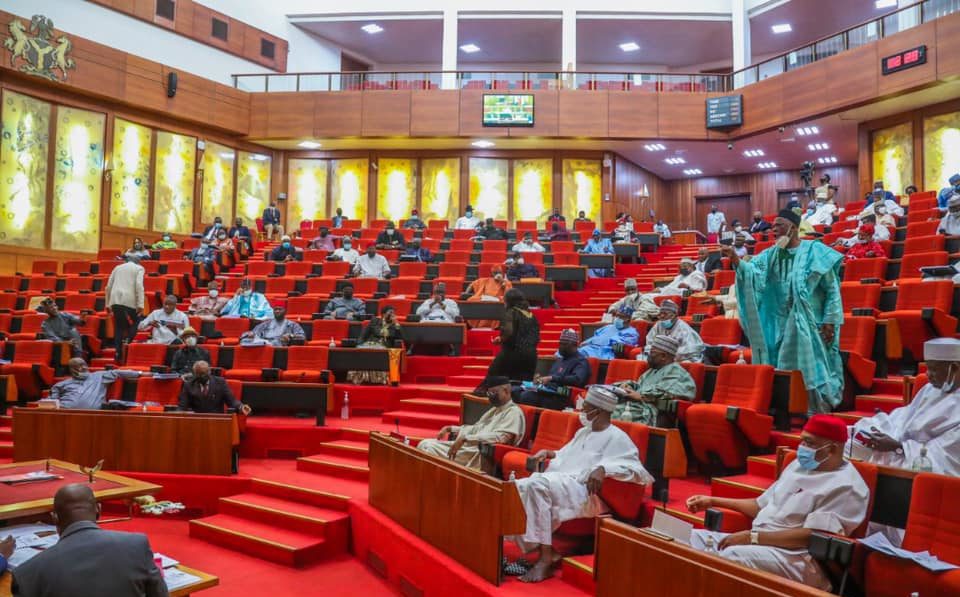
Senate summons NMDPRA, NNPC, NEITI over conflicting fuel import data
The Senate public accounts committee has summoned NMDPRA, NNPC Limited and NEITI after the agencies presented conflicting petrol import figures for 2022 and 2023.
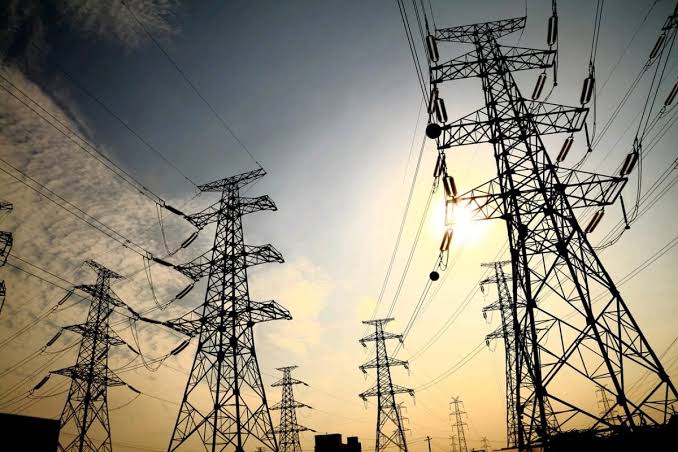
Major grid collapse drops generation to 675MW before recovery to 2,150MW
National grid collapsed with generation plunging from over 4,000MW to 675MW before partial recovery.
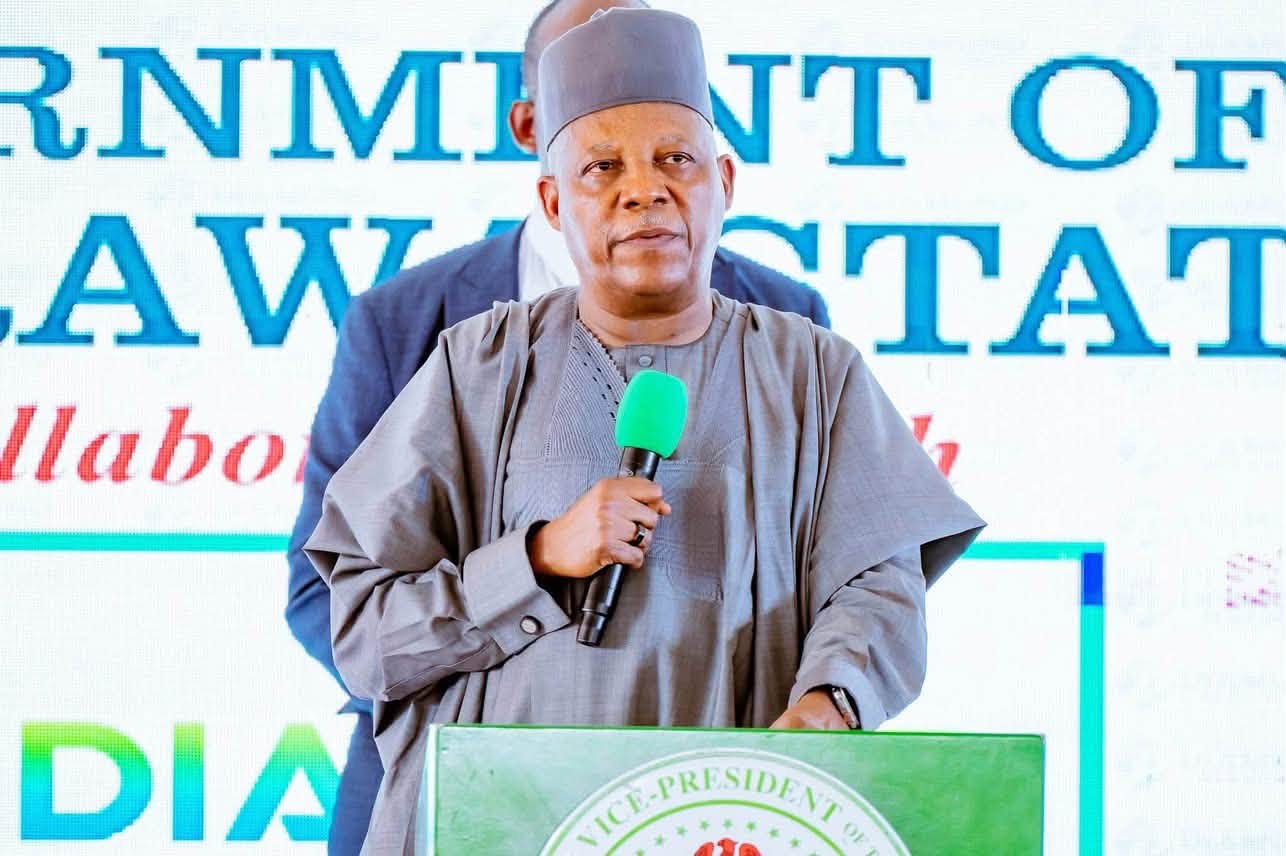
Shettima urges states to establish electricity markets under Electricity Act 2023
Vice President calls for state-level electricity markets as reform gains momentum under the 2023 Act.
About the author
Tunde Balogun
Economics Correspondent
Tunde Balogun writes for BusinessPress.
More by Tunde Balogun
Shettima sets up technical committee for wheat, staples, livestock
Agriculture1 hr ago
Fertiliser summit pushes soil intelligence to boost food security
Agriculture1 hr ago
Cocoa prices collapse as producers push Abuja Declaration raw-export strategy
Agriculture5 hrs ago