Senate summons NMDPRA, NNPC, NEITI over conflicting fuel import data
The Senate public accounts committee has summoned NMDPRA, NNPC Limited and NEITI after the agencies presented conflicting petrol import figures for 2022 and 2023.
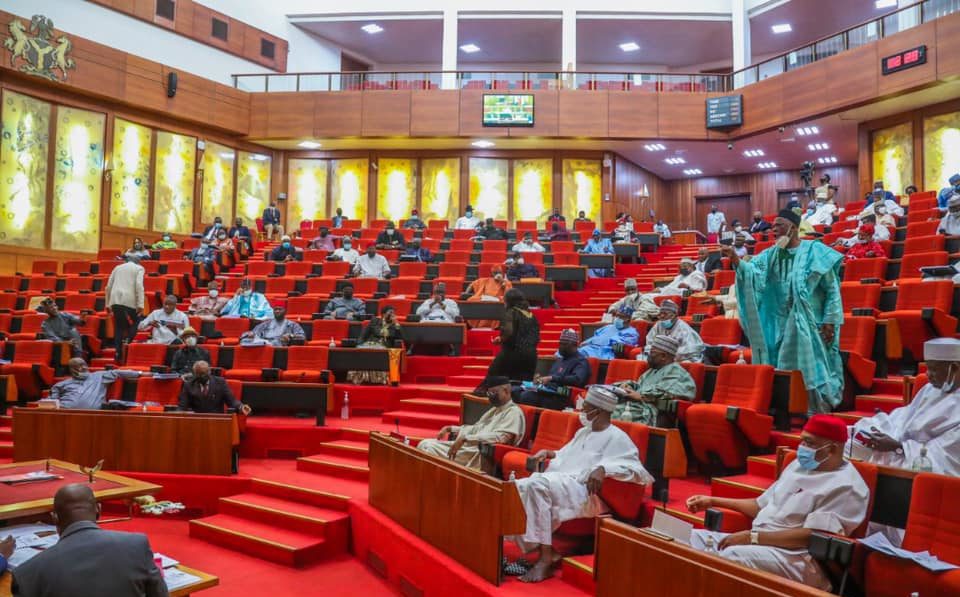
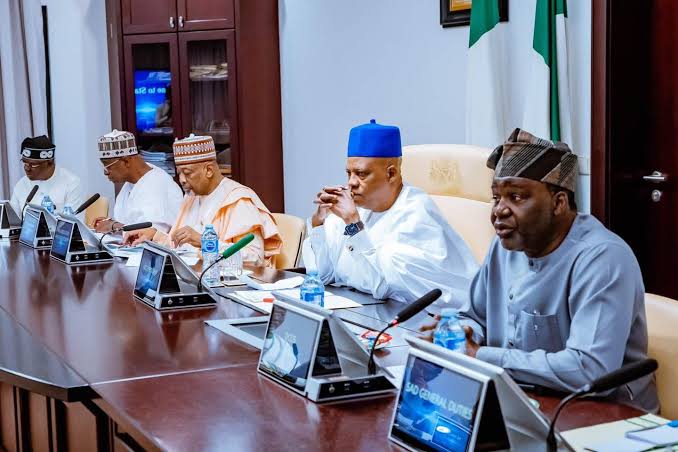
The Nigerian Senate has summoned the heads of the Nigerian Midstream and Downstream Petroleum Regulatory Authority, the Nigerian National Petroleum Company Limited and the Nigeria Extractive Industries Transparency Initiative after its public accounts committee rejected conflicting records on petrol imports.
The committee, chaired by Senator Ibrahim Dankwambo, is examining the volume of premium motor spirit imported into Nigeria in 2022 and 2023. The agencies presented figures that did not match, prompting the committee to demand a fresh appearance and a full reconciliation.
According to the documents presented, the NMDPRA recorded 3.29 billion litres of petrol imports in 2022 and 6.02 billion litres in 2023. NNPC Limited recorded 6.27 billion litres in 2022 and 3.88 billion litres in 2023. The two sets of figures are almost inverted, which makes it impossible to determine the true volume of imports without further evidence.
Why the discrepancy matters
Petrol imports are one of Nigeria’s largest foreign-exchange expenses. The volume of imports affects the cost of subsidies, the demand for dollars, the naira exchange rate and the fiscal deficit. If the records are wrong, the government’s accounts are wrong.
The discrepancy also matters for the downstream sector. The NMDPRA regulates the market, while NNPC is a major importer and supplier. If the regulator and the operator disagree on the basic volume of imports, it is difficult to enforce compliance, calculate levies or plan supply.
The committee’s decision to summon the agencies is a sign that lawmakers are not satisfied with the explanations they have received. The public accounts committee has the power to compel testimony and recommend sanctions. A formal summons raises the stakes.
The senators’ concerns
Senator Abdul Ningi, Senator Dayo Faduyile and Senator Anietan Bassey were among the lawmakers who pressed the agencies on the conflicting figures, according to accounts of the hearing published on October 22. They questioned how the same period could produce such different numbers and asked whether the records had been altered.
The committee also raised broader questions about the reliability of Nigeria’s fuel-import data. The country’s refining sector is changing, with the Dangote refinery and modular refineries increasing domestic production. Accurate import data is essential for measuring the impact of those changes.
NEITI, the extractive industries transparency agency, is expected to provide an independent view. Its audits cover the oil and gas sector, including revenues and production volumes. The committee wants to know whether NEITI’s records corroborate either set of figures.
The subsidy legacy
The import volumes cover a period when Nigeria still subsidised petrol. The subsidy was officially removed in 2023, but its costs and accounting remain contentious. Lawmakers and auditors have questioned how much petrol was imported, how much was consumed and how much subsidy was paid.
The conflicting figures could reflect different definitions. NMDPRA may be counting volumes that received import permits, while NNPC may be counting volumes actually landed or sold. The agencies may also be using different reporting periods or excluding certain categories of imports.
Those technical differences should be explainable. The fact that they have not been reconciled suggests a deeper problem with data management. Without a single, authoritative source, it is difficult to hold anyone accountable.
Oyedele rules out a fuel tax
The hearing coincided with comments by Taiwo Oyedele, chairman of the Presidential Committee on Fiscal Policy and Tax Reforms, who said the government had no plan to impose a new tax on petrol. He was responding to reports that a five per cent levy could be introduced.
Oyedele’s statement is intended to calm consumers and marketers. Fuel prices are already high, with petrol selling for between N1,370 and N1,429 per litre in different parts of the country. A new tax would add to the cost of transport, food and other goods.
The clarification does not resolve the import-data dispute, but it removes one source of uncertainty. Markets and households can plan without worrying about an immediate fuel-tax increase.
The bigger picture
Nigeria’s fuel-import data is part of a wider problem of unreliable statistics. Different agencies collect and publish data using different methods, and there is no single source of truth. That makes it hard for policymakers to design effective policies and for investors to assess risks.
The committee’s investigation could help by forcing the agencies to reconcile their records and publish a common methodology. It could also lead to recommendations for stronger data governance, including a central register of imports and exports.
The stakes are high. Petrol is the country’s most politically sensitive product. Any suggestion that import volumes or subsidy payments have been misstated can trigger public anger and undermine trust in the government. A transparent reconciliation would be in everyone’s interest.
What happens next
The summoned agencies are expected to appear before the committee with updated records and a detailed explanation of the discrepancies. If they cannot reconcile the figures, the committee may refer the matter to the relevant anti-corruption agencies.
The committee is also likely to recommend changes to the way import data is collected and shared. A single digital platform, with real-time reporting and independent verification, would reduce the scope for error and manipulation.
For consumers, the immediate issue is price. For investors, it is the credibility of Nigeria’s data. For the government, it is the integrity of its fiscal accounts. The Senate’s inquiry touches all three, which is why it deserves more attention than a routine committee hearing.
[irp] [irp] [irp] [irp] [irp]
Up next
NUPRC data shows oil output, revenue shortfall against budget
Nigeria produced 1.626 million barrels per day in the first half of 2026, below the 1.84 million budget benchmark, leaving a potential $2.49 billion revenue gap.
More in Economy
See all
US housing starts fall to 1.221m, pending sales hit record low as mortgage rates stay elevated
Housing starts fell 5.2% to 1.221m while pending home sales dropped to record low amid high mortgage rates.

FAAC Distributions Rise 4% to N2.4 Trillion in October as Statutory Revenue Rebounds
FAAC distributed N2.4 trillion among Nigeria's three tiers of government in October 2026, up 4 per cent month-on-month, as statutory revenue rose 7 per cent and the 13% derivation fund jumped 28 per cent.
Nigeria Rejects World Bank's .8 Billion Debt-Service Finding as Revenue Timing Dispute Deepens
The Finance Ministry says the World Bank's finding that debt interest reached 124% of federal revenue in H1 2026 excludes unremitted agency revenue and counts state loans, arguing the full-year ratio fell below 60% in 2025.
About the author
Abiodun Abdullahi
Author / Business and Markets Writer
Abiodun Abdullahi writes for BusinessPress.
More by Abiodun Abdullahi