Nigeria Commissions Mini-Grids and Gombe Solar Project to Widen Power Access
Nigeria has commissioned a batch of mini-grids with roughly 16MW of combined capacity and a 1MW solar power installation in Gombe State, extending electricity to communities outside the national grid's reliable reach.
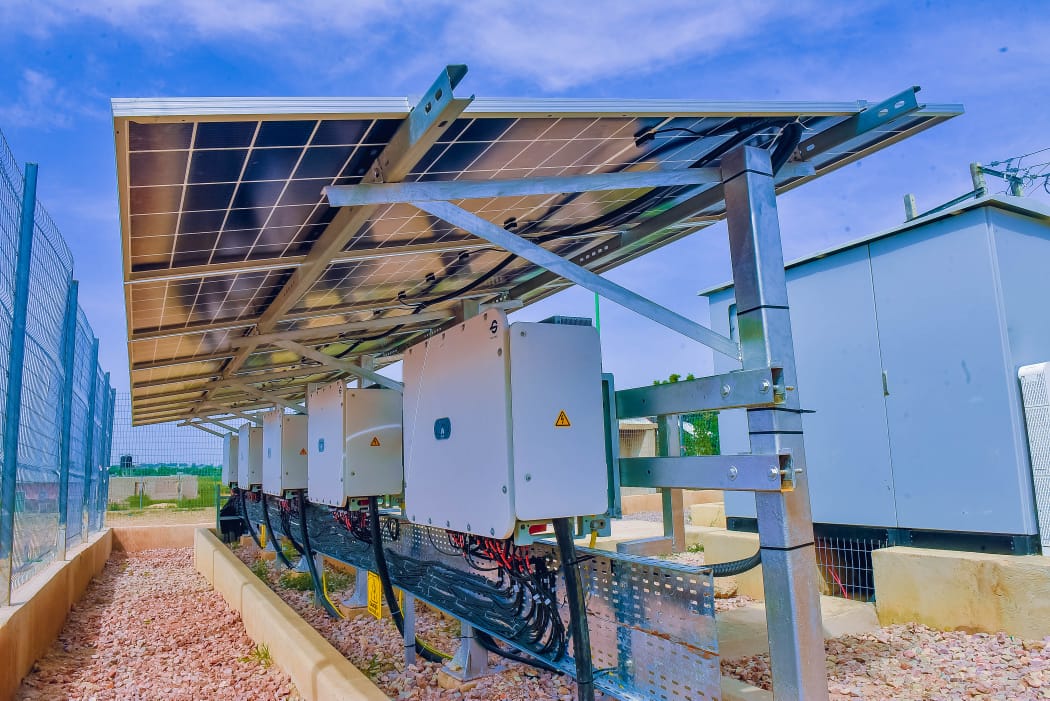
Nigeria has commissioned a series of mini-grid power installations with a combined capacity of about 16 megawatts, alongside a separate 1 megawatt solar project in Gombe State, in a push to extend reliable electricity to communities that sit outside the dependable reach of the national grid.
The projects represent the distributed generation model that policymakers have increasingly favouring over sole dependence on long-distance transmission: smaller generation assets located close to demand, often solar-hybrid, serving estates, markets, clinics and small industrial clusters directly.
The mini-grid model takes shape
Mini-grids operate as isolated or weakly connected distribution systems, generating power locally and delivering it to connected customers under their own tariff and service arrangements. For communities where grid supply arrives for a few hours a day — if at all — mini-grids can provide the first taste of uninterrupted power.
The 16MW batch of installations spans multiple sites, each sized to local demand rather than to a national planning target. Regulators have been streamlining the licensing framework for such projects to reduce the barriers that previously discouraged private developers.
Gombe's 1MW solar marker
The 1MW solar installation in Gombe State serves as a standalone marker of northern Nigeria's solar potential. Gombe has positioned itself as a destination for energy and industrial investment, and a working solar asset provides both direct supply and a demonstration effect for surrounding communities and commercial users.
Solar economics in Nigeria have improved as module costs have fallen globally, though local constraints — battery storage costs, panel theft, and maintenance capacity — continue to determine project viability.
Access is only the first metric
Commissioning is the beginning, not the end, of the story. Mini-grids succeed only when they maintain uptime, collect tariffs sustainably and connect enough paying customers to cover operating costs. The true test of the 16MW batch and the Gombe plant will be service reliability and financial sustainability over the next two to three years — not the ribbon-cutting.
Up next
Lagos Commodities Exchange Targets Transparent Petroleum Pricing After NMDPRA Licence
The Lagos Commodities and Futures Exchange has obtained a licence from the Nigerian Midstream and Downstream Petroleum Regulatory Authority, positioning itself to bring greater price transparency to petroleum product trading.
More in Business
See all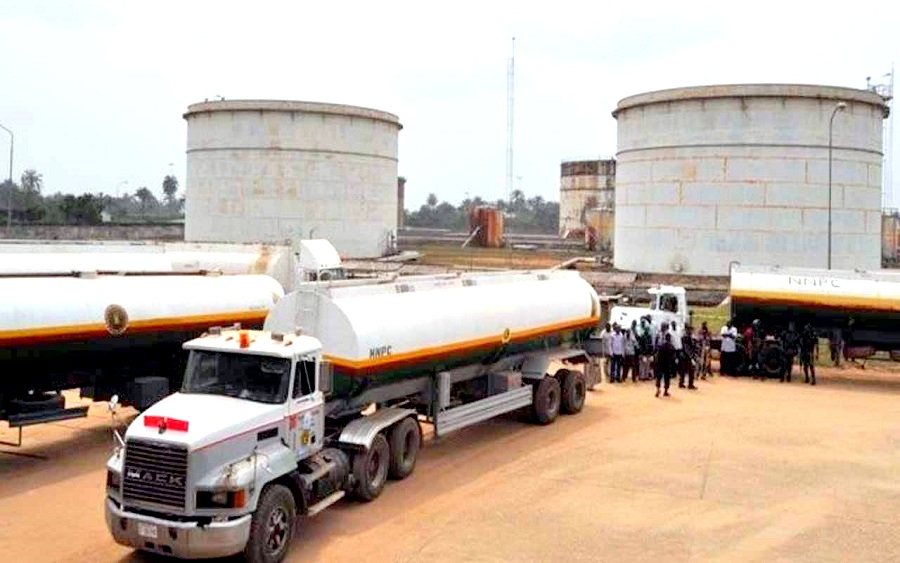
Oil Marketers Reject FG's Proposed N1,350 Petrol Price Ceiling
The Major Energies Marketers Association of Nigeria has rejected the federal government's proposed N1,350 per litre ceiling on petrol ex-gantry and landing costs, arguing that arbitrary price caps distort competition without fixing supply bottlenecks.
CITA Energies Seeks Review of Dangote Refinery's Jet A1 Pricing Formula
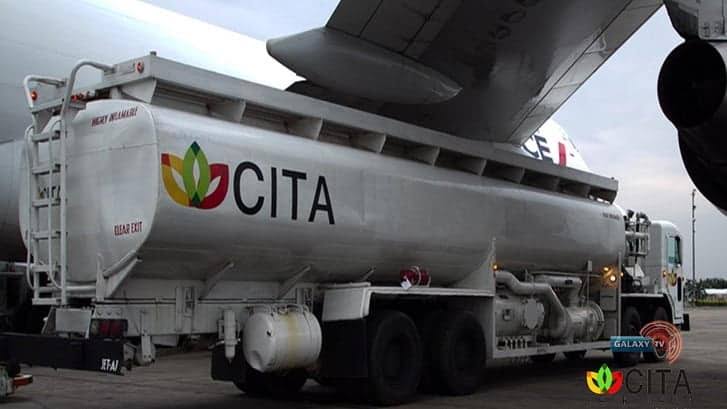
Aviation fuel marketer CITA Energies has called on Dangote Refinery to review its Jet A1 pricing formula, a premium introduced in March and a requirement that 25% of buyers' payment instruments be placed under lien, saying the extra costs are passed on to airlines.
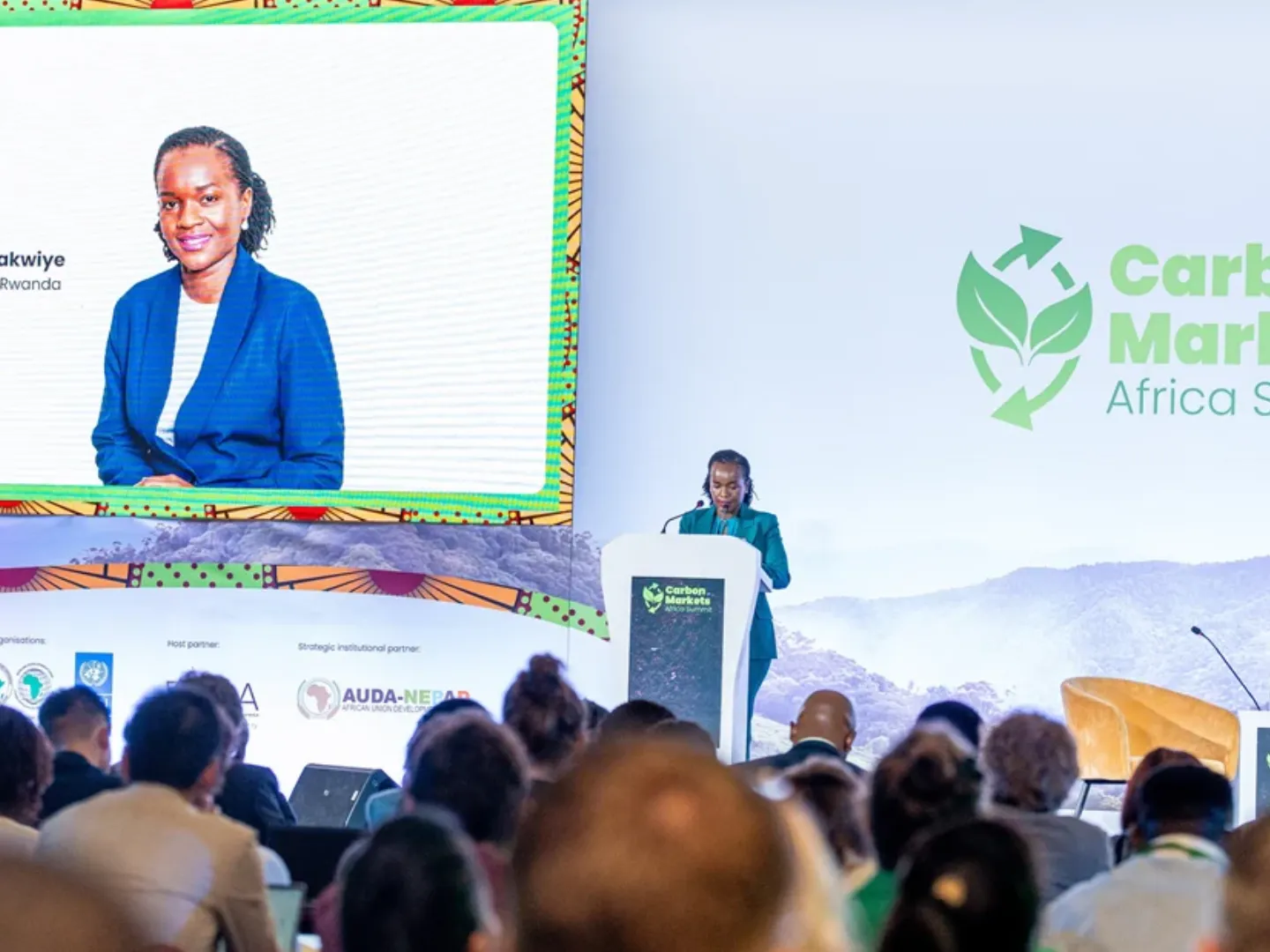
Kigali Carbon Summit Pushes Africa From Market Potential to Delivery
At Carbon Markets Africa Summit 2026 in Kigali, policymakers and financiers from 45 countries called for high-integrity, investable carbon projects as Africa shifts from readiness rhetoric to issuance and offtake.
About the author
Amaka Obi
Senior Business Reporter
Amaka Obi writes for BusinessPress.