SMEs warned to verify levy collectors as multiple taxation persists
Illegal and duplicated levies raise costs and deter investment, with small businesses bearing a disproportionate burden.

Tax experts are urging small and medium-sized enterprises to verify levy collectors as multiple charges persist, according to BusinessDay, a warning that illegal and duplicated levies are adding to the cost of doing business in Nigeria. Many SMEs pay numerous fees to different agencies, often without clear legal authority.
The problem is widespread. Businesses face federal, state and local government levies, as well as informal payments to officials and touts. The cumulative burden can be significant, especially for small firms with thin margins.
Multiple taxation is not just a cost issue. It creates uncertainty, discourages investment and undermines trust in the tax system. Businesses that comply find themselves at a disadvantage compared with those that evade.
Why the problem persists
Nigeria has many agencies with overlapping mandates. Different levels of government also have the power to impose levies, leading to duplication.
Revenue pressure encourages agencies to create new charges. Officials may prioritize collection over coordination, especially when budgets are tight.
Enforcement is weak. Illegal collectors often operate with impunity, and businesses may pay to avoid harassment or delays.
How SMEs can protect themselves
Experts recommend verifying the legal basis for every levy. Businesses should ask for the enabling law, receipt and official identification.
Keeping records is essential. A log of payments, dates and officials can help resolve disputes and support claims for refunds.
Industry associations can also help. Collective action is more effective than individual resistance, particularly when dealing with multiple agencies.
The impact on investment
Multiple taxation raises the cost of doing business and reduces competitiveness. It can deter foreign investors who compare Nigeria with other markets.
For small businesses, the burden can be existential. A retailer or manufacturer may spend hours each week dealing with levy collectors instead of serving customers.
The informal sector is particularly vulnerable. Businesses that are not registered may be targeted by both official and unofficial collectors.
What the government should do
Consolidation is the obvious solution. The government should harmonize levies across agencies and levels of government, eliminating duplicates.
A single electronic payment platform could improve transparency and reduce opportunities for corruption. Businesses could see exactly what they owe and receive receipts.
Enforcement should target illegal collectors, not just taxpayers. Public awareness campaigns can help businesses understand their rights.
The revenue trade-off
Governments need revenue, and levies are a source of funding. But excessive or unpredictable charges can shrink the tax base by pushing businesses into the informal sector.
A simpler, fairer system may raise less in the short term but more over time as compliance improves.
Tax reform should be part of a broader effort to improve the business environment. Lower costs and greater certainty can stimulate investment and create jobs.
The outlook
Multiple taxation is a long-standing problem, and it will not disappear quickly. But awareness is growing, and businesses are becoming more assertive.
Technology can help. Digital payments, online verification and data sharing between agencies can reduce duplication.
The government must show political will. Without it, SMEs will continue to bear a disproportionate burden, and Nigeria’s investment climate will suffer.
Up next
Nigeria targets African capital-hub status with new listing rules
Regulators hope simpler listings and stronger disclosure will deepen the NGX, but bureaucracy and macro risk remain obstacles.
More in Business
See all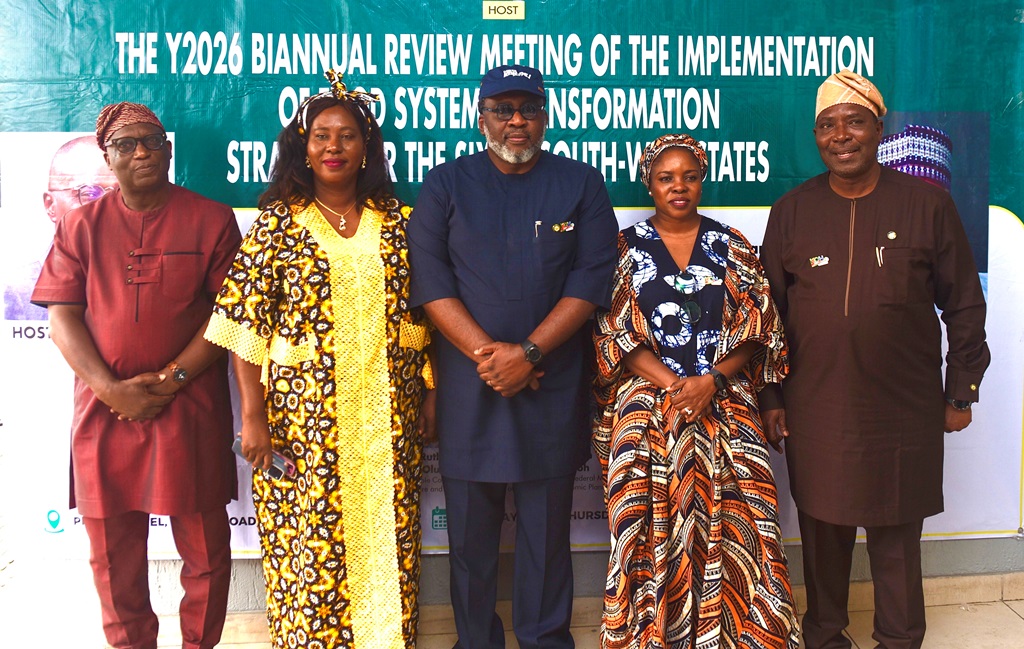
FG Moves to Strengthen Food Security as South-West States Target Food Losses, Supply Chain Gaps
As the regional review concludes on October 22, attention will turn to the recommendations adopted, the finalisation of the operating...

Aviation Ministry Approves Lagos Airport Monorail Design as Financing Talks Advance
The five-stop line from Ikeja Railway Station to Murtala Muhammed International Airport Terminal 1 has an approved design but no published cost or construction schedule, while the terminal reconstruction it is meant to serve is already under way.
NCDMB Begins Rollout of Oil and Gas Component Manufacturing Study in Port Harcourt
Only 18 of about 60 indigenous companies identified in a study commissioned in 2022 met the qualification criteria, and implementation of the report has begun three years after it was submitted.
About the author
Kwame Mensah
Markets Correspondent
Kwame Mensah writes for BusinessPress.