Tinubu, Macron postpone French state visit to Nigeria until 2027
The delayed visit postpones trade and investment announcements, testing Nigeria-France economic diplomacy amid shifting alliances.
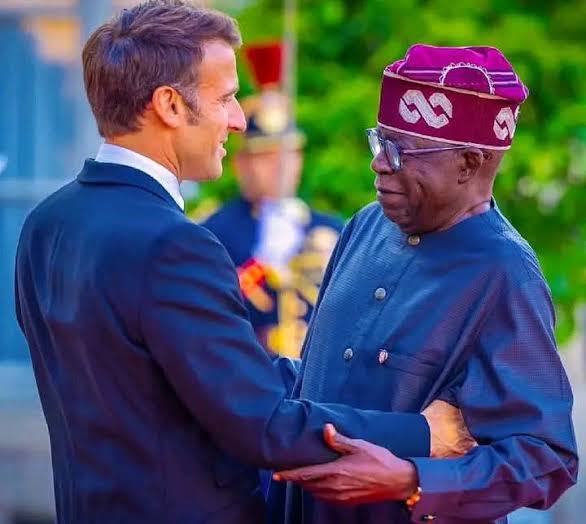
President Bola Tinubu and French President Emmanuel Macron agreed to postpone Macron’s state visit to Nigeria until 2027, according to Nairametrics, a diplomatic decision with economic consequences for trade, investment and security cooperation. The visit had been expected to deepen ties between Africa’s largest economy and one of Europe’s leading powers.
State visits are not just ceremonial. They provide a platform for signing agreements, announcing investments and setting the tone for commercial relations. A postponement delays those opportunities and signals that other priorities, or unresolved issues, have taken precedence.
The two countries have significant economic links. France is a major investor in Nigeria’s energy, consumer goods and infrastructure sectors. French companies employ thousands of Nigerians and source from local suppliers. Nigeria exports cocoa, oil and other commodities to France.
Why the visit was postponed
The official reason has not been fully disclosed, but the decision comes amid a crowded diplomatic calendar and domestic political pressures in both countries. Macron faces fiscal and political challenges in France, while Tinubu is managing a cost-of-living crisis and preparations for the 2027 election.
Security cooperation may also be a factor. France has troops in the Sahel and is concerned about instability in West Africa. Nigeria is a key partner in regional security, but the relationship has been complicated by coups in neighbouring countries and disagreements over military strategy.
Trade issues could be another consideration. French companies have complained about foreign-exchange restrictions, customs delays and regulatory uncertainty in Nigeria. Those concerns may need to be addressed before a high-profile visit can produce meaningful agreements.
The economic stakes
France is Nigeria’s second-largest trading partner in Europe after the Netherlands, according to some estimates. The relationship spans oil and gas, agriculture, pharmaceuticals, construction and financial services.
A postponed visit delays the signing of new agreements and the announcement of investments. It also reduces the visibility of Nigeria as an investment destination at a time when the government is trying to attract foreign capital.
For French companies, the delay creates uncertainty about the direction of bilateral relations. They may postpone investment decisions or seek clearer signals from both governments before committing capital.
The wider diplomacy
Nigeria has been cultivating closer ties with several global powers, including China, India and the Gulf states. A delay in the French visit does not necessarily signal a shift away from Europe, but it does give other partners an opportunity to deepen their engagement.
The postponement also comes as France rethinks its Africa policy after a series of setbacks in the Sahel. Paris is trying to rebuild relationships with Anglophone West African countries, including Nigeria and Ghana, but it faces competition from Russia, China and Turkey.
For Nigeria, the challenge is to maintain balanced relationships with multiple partners while protecting its sovereignty and economic interests. That requires clear priorities and effective diplomacy.
What it means for business
Companies with French links should monitor the rescheduling of the visit and any agreements that emerge from it. Sectors such as energy, agriculture, transport and consumer goods are likely to be on the agenda.
The delay may also affect the timing of financing arrangements, including loans and guarantees from French development institutions. French trade finance is important for Nigerian importers and project developers.
Investors should not overinterpret the postponement. Diplomatic schedules change for many reasons, and the relationship remains important. But the delay is a reminder that economic diplomacy is subject to political cycles.
The outlook
A rescheduled visit in 2027 could still deliver significant agreements. By then, Nigeria will have held elections and France may have a clearer political direction. Both sides have an interest in strengthening ties.
The postponement is a setback, but not a rupture. The underlying economic logic of the relationship remains intact. Nigeria needs investment and technology; France needs access to a large, young market and energy resources.
The test will be whether the two governments use the extra time to resolve outstanding issues and prepare a substantive agenda. A visit that produces only communiqués would be a missed opportunity.
Up next
Jollof rice now takes 37% of minimum wage as food inflation bites
The cost of a staple meal exposes how food inflation is squeezing Nigerian households and undermining the real value of the minimum wage.
More in Economy
See all
World Bank Plans Fivefold Rise in Metals and Minerals Support to $19 Billion
The World Bank Group plans to increase its metals and minerals support fivefold to $19 billion over FY26-FY30, with eight countries signing partnership compacts.
Nigeria Unveils $78.5 Billion, 65-Project Investment Pipeline at IMF-World Bank Meetings
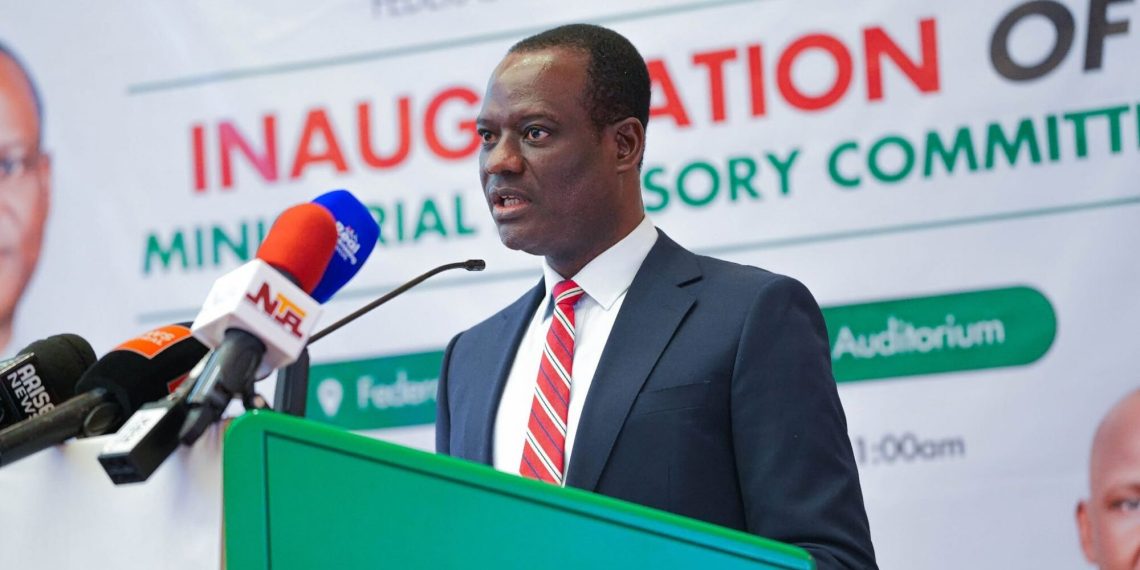
Nigeria has unveiled a pipeline of 65 investment projects requiring a combined $78.5 billion in capital, pitched to global investors at the IMF and World Bank Annual Meetings in Bangkok.
Nigeria Risks $1bn Export Loss Over EU Deforestation Rules, NEPC Warns
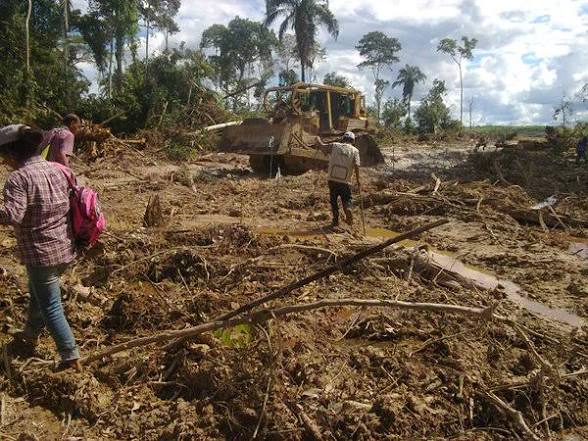
The Nigerian Export Promotion Council warns that exporters could lose more than $1 billion a year if they fail to meet EU deforestation rules, with cocoa most exposed.
About the author
Musa Abdullahi
Finance Correspondent
Musa Abdullahi writes for BusinessPress.
More by Musa Abdullahi
Credit to government jumps 63% to N39.4 trillion as private lending slips
Finance14 mins ago
Lagos-Calabar Coastal Highway targets three-year completion, Umahi says
Economy40 mins ago
Guinness Nigeria’s N16 dividend tests cash generation as costs rise
Markets56 mins ago