Tinubu, Atiku Clash Over Competing Plans to Cut Petrol Prices
President Tinubu's administration and opposition leader Atiku Abubakar have advanced rival plans to lower petrol prices as Nigeria heads toward the 2027 election.
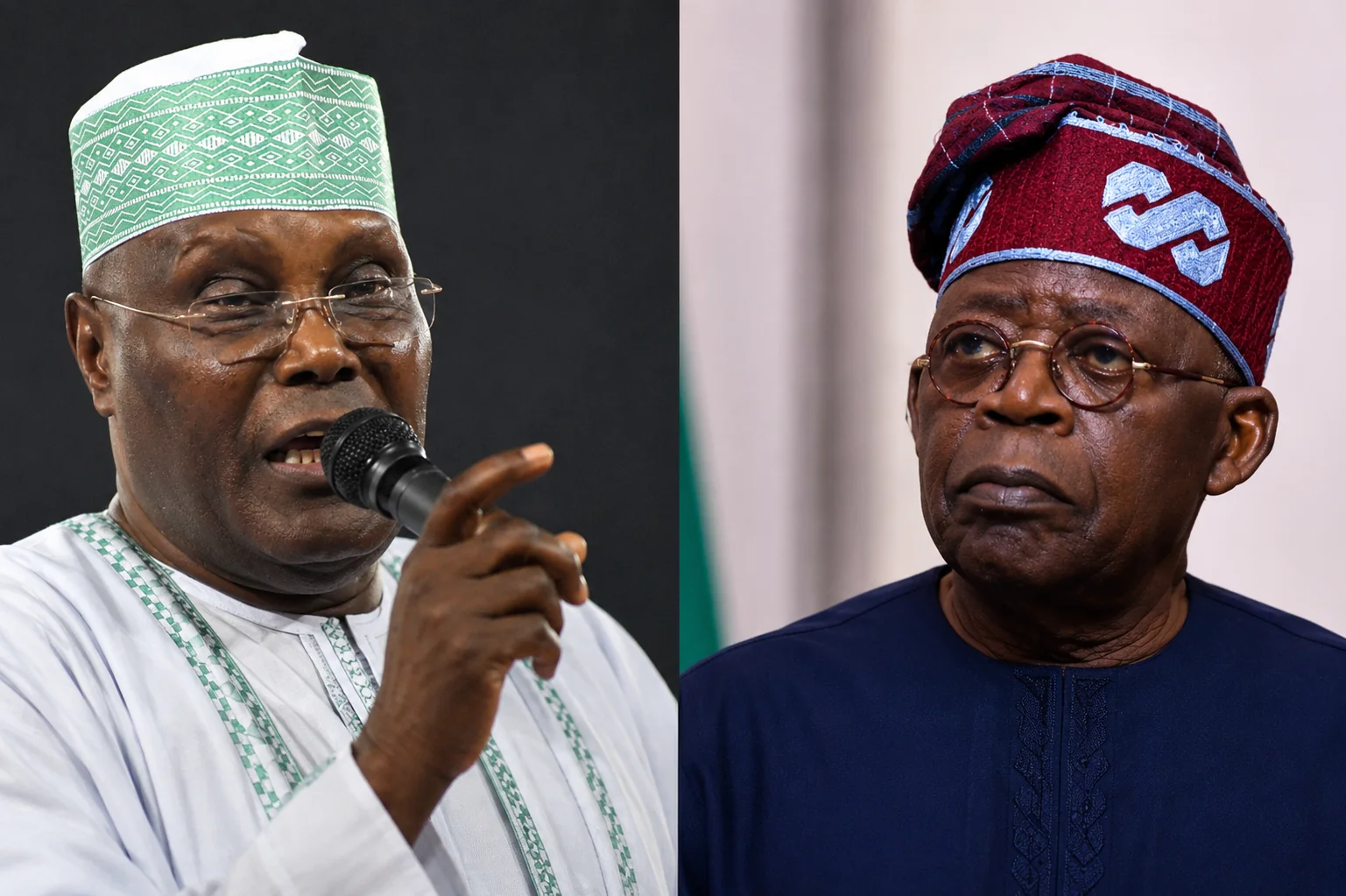
President Bola Tinubu's administration and opposition leader Atiku Abubakar have set out competing plans to lower petrol prices, turning the cost of fuel into a defining economic argument ahead of Nigeria's 2027 presidential election.
Atiku, the African Democratic Congress candidate for 2027, wants the government to supply crude oil to domestic refineries at below-market prices to make petrol cheaper. Tinubu's government is instead pursuing retail discounts, reduced distribution margins and a proposed cap on fuel supply costs.
Atiku's discount-crude proposal
According to details provided to Premium Times by his campaign, Atiku's programme would have a spending limit, be included in the federal budget and be subject to audits. Support would be conditional on output from participating domestic refineries, though the campaign has not fully explained how compliance would be enforced.
The presidency challenged the feasibility of the plan on October 11. Sunday Dare, the president's special adviser on media and public communication, said less than 700,000 barrels of Nigeria's roughly 1.8 million barrels of daily oil production are freely available to the government, limited by production costs, royalties and existing contractual commitments.
The government's approach
The administration has layered several measures. On October 1, NNPC Retail introduced a discount of 66 naira per litre at its stations, initially for a week but later extended through October 31. On October 8, Finance Minister Taiwo Oyedele announced that NNPC Retail would waive its profit margin on petrol for 30 days, selling at purchase cost; the government says the margin is less than 5% of the pump price and presents the waiver as a commercial decision rather than a budget-financed subsidy.
Officials are also negotiating a proposed cap of 1,350 naira per litre on the supply cost of petrol leaving domestic refineries or entering through imports, under which refiners and importers would absorb costs above the threshold and recover them when conditions allow. The mechanism would be reviewed monthly. Crucially, the ceiling would apply to supply cost, not the retail price, so it would not guarantee what motorists pay at the pump.
The refining shift behind the debate
The argument is unfolding against a rapid change in Nigeria's supply structure. The downstream regulator reported that the country received an average of 50.5 million litres of petrol per day in August 2026, of which 35.9 million litres came from domestic production and 14.6 million from imports. The Dangote refinery alone accounted for nearly 71% of the volumes received, while the state-owned Port Harcourt, Warri and Kaduna refineries remained out of production.
That concentration means the terms on which Dangote sells fuel to distributors heavily influence domestic supply costs, and it makes the market sensitive to a single producer.
The outlook
The two camps disagree on where to intervene: Atiku targets the cost of crude, the government targets retail pricing and the cost at which petrol enters distribution. The unresolved question is how the NNPC Retail discount and the margin waiver interact, and whether the proposed 1,350-naira supply cap can be negotiated and enforced without discouraging domestic refining investment.
Up next
NNPC Confirms Gas Pipeline Explosion in Rivers Community
NNPC Limited confirmed an explosion on a gas pipeline at Aleto in Eleme, Rivers State, isolating the affected segment as it assesses casualties and damage.
More in Economy
See all
Nigeria Seeks $78.5 Billion for 65 Projects Targeting Over 360,000 Jobs
Nigeria has unveiled a portfolio of 65 investment projects requiring a combined $78.5 billion, presented to global investors at the IMF-World Bank annual meetings in Bangkok, with energy and transport accounting for most of the capital sought.
IMF Urges Nigeria to Raise Non-Oil Revenue and Warns Against Blanket Petrol Subsidy
At its annual meetings, the International Monetary Fund urged Nigeria to broaden its revenue base beyond oil and redirect subsidy savings to vulnerable households, warning that blanket energy subsidies are expensive, regressive and unsustainable.
FAAC Shares N2.428 Trillion September Revenue Among Three Tiers of Government
The Federation Account Allocation Committee distributed N2.428 trillion to the Federal Government, states and local councils from N3.913 trillion gross revenue for September 2026, with Value Added Tax emerging as the states' single largest allocation source.
About the author
Kwame Mensah
Markets Correspondent
Kwame Mensah writes for BusinessPress.