Kenya's Economy Grows 5.1% in Q2 2026 as Transport and Services Power Output
Kenya's economy expanded 5.1% year on year in the second quarter of 2026, up from 4.9% a year earlier, led by transport, storage and service sectors.
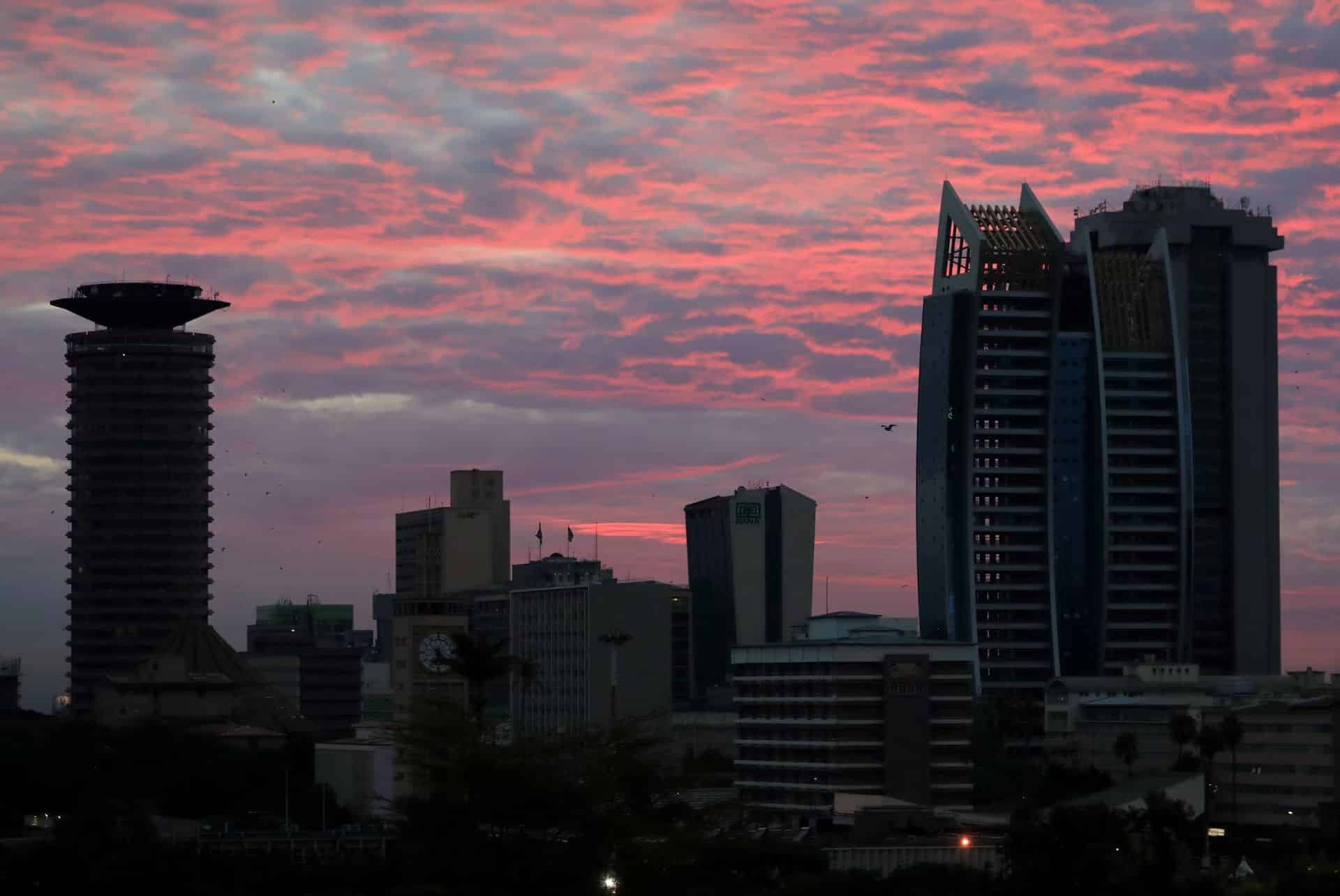
Kenya's economy grew 5.1% year on year in the second quarter of 2026, up from 4.9% in the same period of 2025, the Kenya National Bureau of Statistics said on Friday, extending a run of sturdy expansion driven by services and transport.
The reading, reported by Reuters, keeps East Africa's largest economy on track for growth close to the 5% mark that policymakers have projected for the year, even as higher fuel prices and global trade tensions cloud the outlook.
What is driving the expansion
Transportation and storage, a bellwether for trade and urban activity, grew 4.4% compared with 3.3% a year earlier. The statistics office also flagged strong activity in accommodation and food services, electricity supply, information and communication technology, financial services and construction.
The composition matters. A growth mix tilted toward services, logistics and finance suggests domestic demand and trade flows are holding up, rather than a single commodity boom. It also implies that gains are concentrated in urban and formal sectors, an issue that has shaped Kenya's policy debate over job creation and inclusion.
Policymakers see a faster pace than the IMF
Central Bank of Kenya Governor Kamau Thugge told Reuters on the sidelines of the International Monetary Fund and World Bank annual meetings in Bangkok that he expects the economy to grow 5% this year and 5.3% next year, above the Fund's forecasts of 4.5% and 4.7%.
"It's likely our projection is closer to the truth than the IMF one," Thugge said, citing tailwinds in agriculture, industry and services. The central bank held its benchmark lending rate at 8.75% last week for a fourth consecutive meeting, saying it expects inflation to remain within its target range in the near term.
Thugge added that Nairobi is in talks with several multilateral development banks, including the African Development Bank and the World Bank, over fresh financing that could materialise before June 2027, with a debt-for-food swap among the options under consideration.
Why the numbers matter for business
For companies operating in Kenya, the growth mix supports demand for logistics, telecoms, financial and construction services, the segments most exposed to corporate spending. But the same services tilt leaves the economy sensitive to fuel costs. Kenya raised petrol and diesel prices in mid-October after import costs jumped, a move that transport operators warned would feed through to consumer prices.
Agriculture, a large employer and a source of export earnings, remains a swing factor. A stronger farm season would broaden the recovery beyond urban services and support rural incomes. Conversely, a renewed spike in energy costs or a poor harvest could narrow the base of growth and complicate the central bank's rate decisions.
The outlook
The IMF's October regional outlook projects Sub-Saharan Africa growing 4.5% in both 2026 and 2027, with Kenya among the reform economies credited with stronger macroeconomic stability. The immediate test is whether the second-quarter momentum carries into the second half, when the full effect of higher pump prices and external financing negotiations will be clearer.
Up next
NGX Extends Recovery as Oil and Gas Rally Lifts Market Value to N160.83 Trillion
The All-Share Index edged up 0.01 per cent to 247,707.13 points for a second straight gain, but decliners outpaced gainers and the value of trades contracted sharply, leaving the rally resting on a narrow band of energy stocks.
More in Economy
See all
Nigeria Seeks $78.5 Billion for 65 Projects Targeting Over 360,000 Jobs
Nigeria has unveiled a portfolio of 65 investment projects requiring a combined $78.5 billion, presented to global investors at the IMF-World Bank annual meetings in Bangkok, with energy and transport accounting for most of the capital sought.
IMF Urges Nigeria to Raise Non-Oil Revenue and Warns Against Blanket Petrol Subsidy
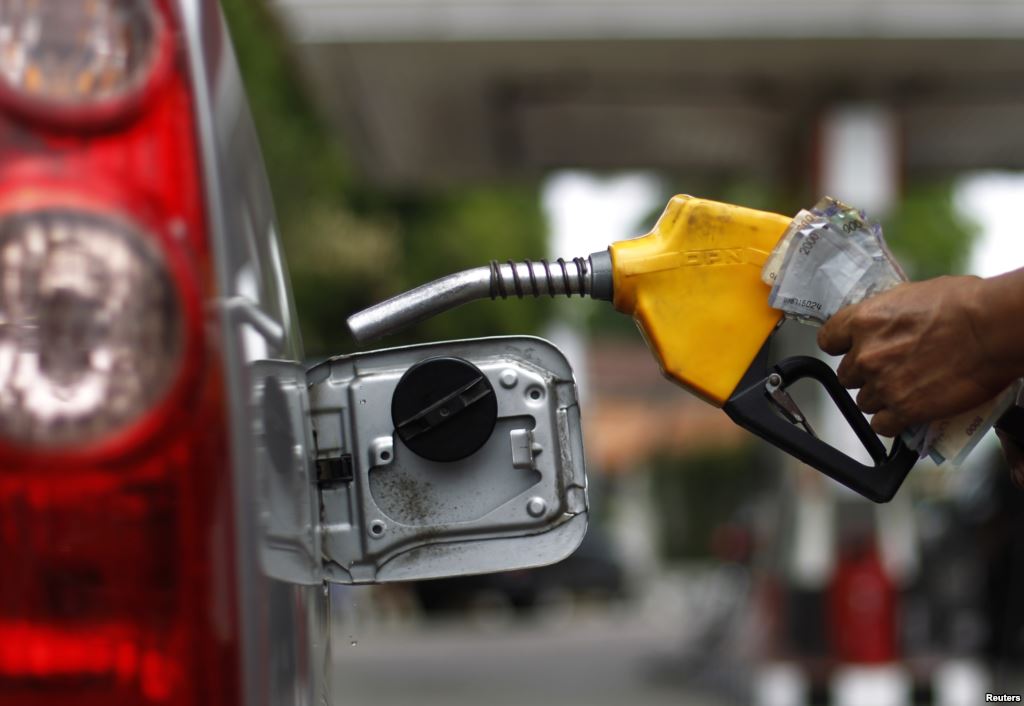
At its annual meetings, the International Monetary Fund urged Nigeria to broaden its revenue base beyond oil and redirect subsidy savings to vulnerable households, warning that blanket energy subsidies are expensive, regressive and unsustainable.
FAAC Shares N2.428 Trillion September Revenue Among Three Tiers of Government
The Federation Account Allocation Committee distributed N2.428 trillion to the Federal Government, states and local councils from N3.913 trillion gross revenue for September 2026, with Value Added Tax emerging as the states' single largest allocation source.
About the author
Amina Suleiman
Finance Correspondent
Amina Suleiman writes for BusinessPress.
More by Amina Suleiman