Nigeria Spent N5.28 Trillion Servicing Domestic Debt in H1 2026
The Debt Management Office reported that the Federal Government spent N5.28 trillion servicing domestic debt between January and June 2026, with interest and rentals accounting for N4.95 trillion, spotlighting the cost of a borrowing strategy weighted towards short-dated securities.
The Federal Government spent N5.28 trillion servicing domestic debt in the first half of 2026, the Debt Management Office disclosed on Thursday, with interest and rental payments alone accounting for N4.95 trillion of the total.
The remaining N333.96 billion covered principal repayments on promissory notes between January and June, according to the DMO's actual domestic debt service figures.
Where the money went
The monthly profile was uneven. The government paid N741.82 billion in January, N967.67 billion in February and N1.43 trillion in March, before the burden eased to N765.19 billion in April and N567.16 billion in May, then rose again to N811.62 billion in June. The March spike reflects the concentration of coupon and maturity dates in the first quarter.
The dominance of interest over principal is the critical detail. Because the government mostly refinances rather than repays its maturing obligations, the domestic debt stock is rolled over and the interest bill keeps compounding. That is the arithmetic of a market in which short-term securities have been a primary funding tool.
Debt service against the revenue picture
The figure must be read against Nigeria's revenue trajectory. Total public debt rose to N166.788 trillion at the end of June 2026 from N97.34 trillion at the end of 2023, a 71% increase, even as government revenue improved following tax reforms and the removal of the petrol subsidy. Statutory allocation to the three tiers of government climbed to N23.15 trillion in 2025 from N10.9 trillion in 2023.
So revenue is rising, but so is the cost of the debt that revenue must service. Every naira paid as interest is a naira unavailable for capital spending, which is precisely the trade-off the International Monetary Fund flagged this week when it urged Nigeria to raise non-oil revenue and improve the quality of public spending.
The refinancing treadmill
The government's borrowing structure keeps this cycle turning. Its fourth-quarter Treasury bill programme plans N5.40 trillion in offers against N5.429 trillion in maturities, a net reduction of only about N29.27 billion. In effect, the quarter's issuance is a rollover exercise.
The September monetary policy rate cut to 23% should eventually lower the yield the government pays on new domestic borrowing, easing the interest burden over time. But the benefit arrives slowly, because existing securities carry the higher coupons agreed when rates were elevated, and much of the stock matures within a year.
What to watch
Two numbers will define the trajectory: the pace at which the DMO extends the average maturity of new domestic issuance, and the yield trend at Treasury bill auctions as the policy rate falls. A genuine lengthening of maturities and lower auction yields would signal that the debt-service burden is finally on a downward path; more short-dated, high-coupon issuance would keep the pressure on public finances.
Up next
Nigeria Inflation Slows to 14.63% in September, a Fourth Straight Decline
Headline inflation eased to 14.63% in September 2026 from 15.39% in August as food prices retreated, but the National Bureau of Statistics reported that core and urban price pressures picked up, complicating the outlook for further rate cuts.
More in Finance
See all
Africa credit outlook improves as reforms ease debt pressure
Moody's has revised sub-Saharan Africa's outlook to positive as reforms, commodity prices and better financing ease debt pressures, though interest burdens remain high for several countries including Kenya and Zambia.
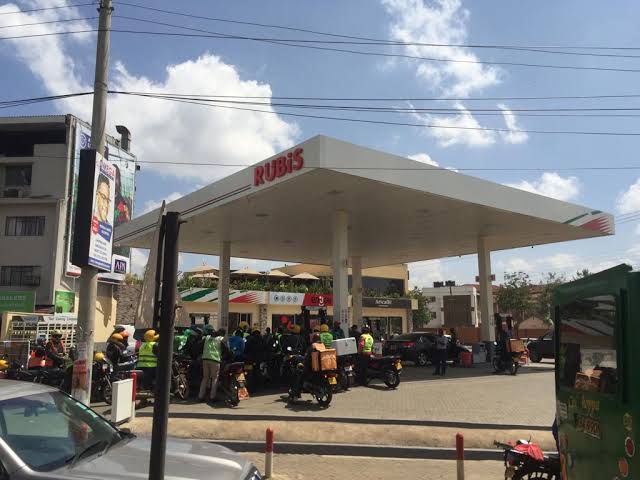
Kenya MPs Extend Fuel VAT Relief, Costing Treasury KSh81 Billion
Kenya's National Assembly has extended the reduced 8 per cent VAT rate on petroleum products for three months, forgoing about KSh81 billion in revenue to cushion consumers as crude prices rise.
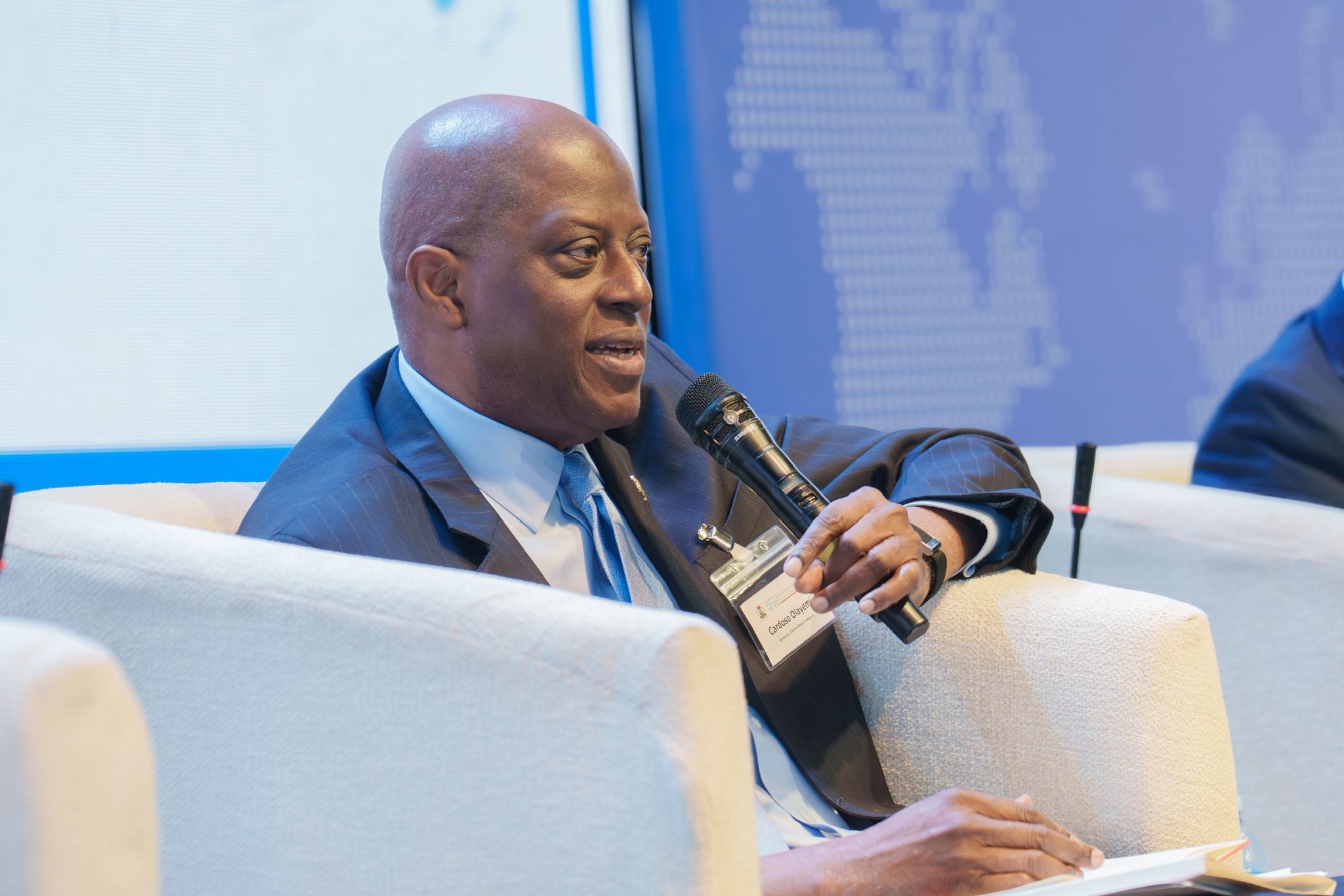
AFC Appoints CBN Governor Yemi Cardoso as Chairman of the Board
Cardoso succeeds Ireti Samuel-Ogbu at the helm of the Africa Finance Corporation, adding a continental infrastructure-finance role to his central bank duties.
About the author
Musa Abdullahi
Finance Correspondent
Musa Abdullahi writes for BusinessPress.