AFEX maize plunges 13.44% below guaranteed minimum price as supply pressures weigh
Maize fell to N319.93/kg below the N350/kg GMP as harvest supply pressures mount.
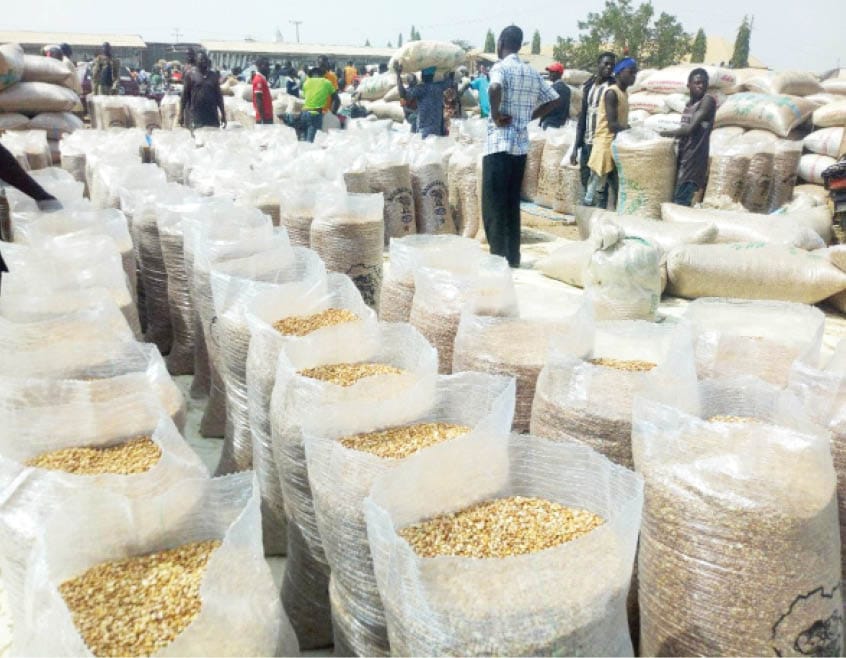
Maize prices on the AFEX platform plunged 13.44 per cent week-on-week to N319.93 per kilogramme, falling below Nigeria's guaranteed minimum price of N350 per kilogramme as increased supply and weak demand weighed on the market.
The drop follows a September close of N374.40 per kilogramme, underscoring a sharp correction in recent weeks. At current prices, a 50-kilogramme bag of maize trades around N15,996.5 on the platform, compared to retail prices reported around N76,142 per 50kg in some markets, reflecting wide margins between farmgate/platform prices and end-consumer prices.
The price decline comes as the Bank of Agriculture's N200 billion programme continues to roll out financing linked to the Nigerian Commodities Exchange warehouse receipt system, aimed at supporting farmers and improving market access. However, the current price level is below the floor designed to protect producers, raising concerns about farmer incomes for the current season.
AFEX data shows maize has accounted for over 90 per cent of trading volume on the platform, with year-to-date turnover surging 392.49 per cent to N4.83 billion across 19.92 million units as of August. The heavy concentration in maize makes the market particularly sensitive to shifts in supply and demand for the crop.
Analysts say the price drop reflects improved availability in some producing areas following harvest, but also points to structural challenges including storage constraints, high transport costs and limited processing capacity. Without adequate offtake mechanisms, farmers risk selling below cost of production at harvest time.
The situation highlights the need for stronger demand-side interventions, including increased local processing and more effective implementation of price support mechanisms, to absorb surplus production and protect rural livelihoods.
Strategic implications
The development carries broader implications for stakeholders across the value chain. For businesses, it may affect input costs, funding conditions or competitive dynamics depending on the sector. For policymakers, it highlights the need for coordinated responses that address both immediate pressures and longer-term structural issues.
As the situation evolves, market participants and industry players will be watching for follow-up actions, implementation details and measurable outcomes. The effectiveness of proposed measures will be key to determining whether the intended benefits materialise in practice.
In the current environment, agility and informed decision-making remain important as companies navigate changing conditions and adjust their strategies to new realities.
Longer-term outlook
Looking ahead, the trajectory of these developments will depend on policy implementation, market response and global conditions. Stakeholders across the public and private sectors will need to adapt to evolving dynamics while maintaining focus on long-term objectives.
Continued monitoring of key indicators and proactive engagement with emerging trends will be essential to navigating the period ahead. The interplay of structural factors and cyclical pressures is likely to shape outcomes for some time to come.
Outlook and considerations
As developments unfold, stakeholders will need to monitor implementation timelines, policy responses and market reactions closely. The coming weeks are likely to provide further clarity on the direction of these trends and their broader implications.
In an environment of evolving conditions, maintaining flexibility and staying informed will be key. The balance between near-term pressures and long-term opportunities will continue to shape decision-making across sectors.
Implications for food security
Lower maize prices could provide some relief for feed millers and food processors in the short term, potentially easing input costs. However, sustained prices below the guaranteed minimum price threaten to discourage farmers from planting in the next season, which could lead to tighter supplies and higher prices later.
The balance between consumer affordability and producer incentives remains delicate, particularly for a crop that serves as both a staple food and a key input for poultry and livestock feed.
Outlook
Market participants will be watching for government response measures, including offtake by the Bank of Agriculture or other agencies, as well as demand from processors. The trajectory of prices in the coming weeks will depend on the pace of offtake and how much of the harvest remains to be marketed.
Up next
FMDA week ended October 16: Nigeria 10-year yield rises 46bps to 17.05%, only increase tracked
Nigeria was the only market among seven tracked to see a rise in 10-year yields as liquidity surged.
More in Agriculture
See all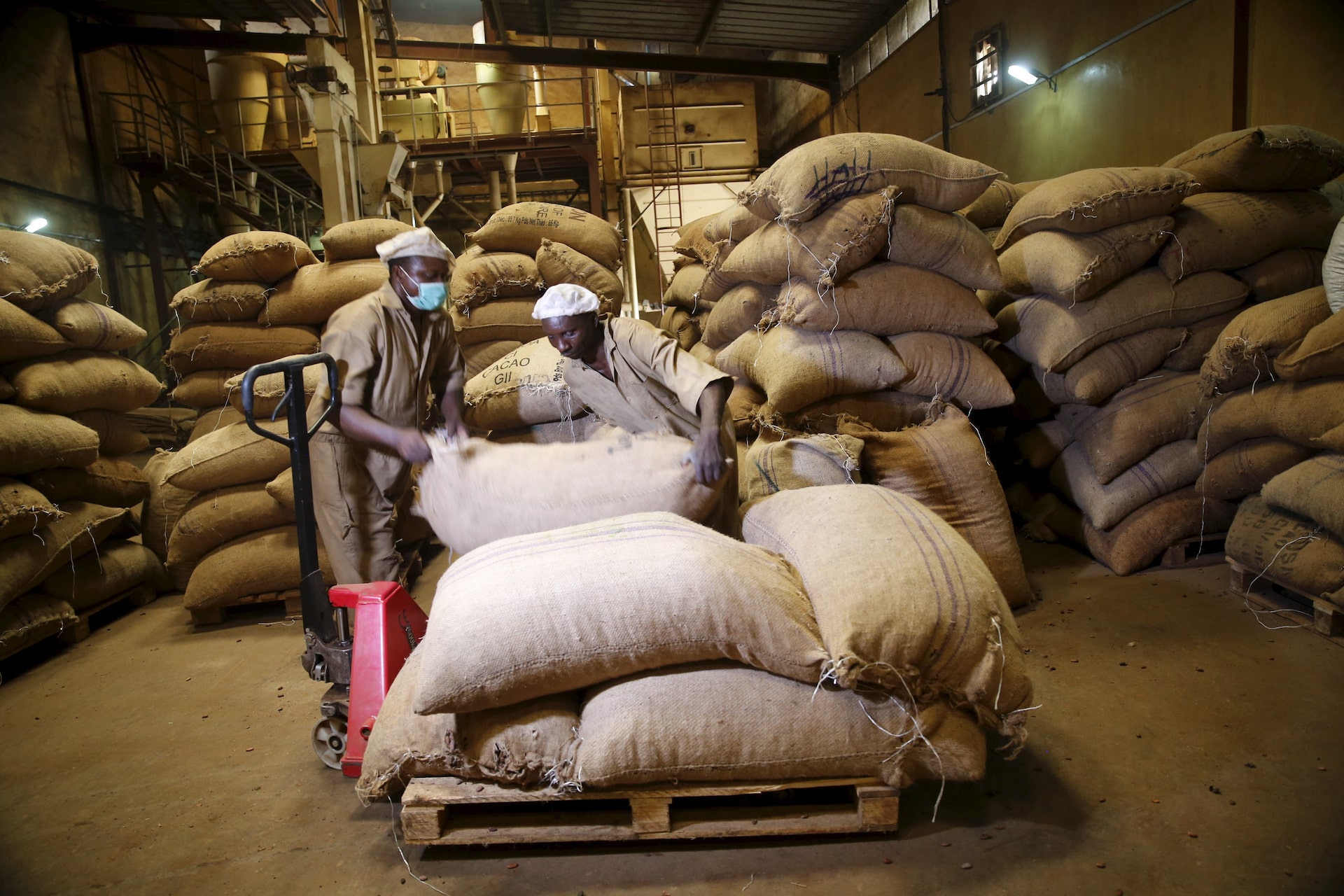
Fertiliser, Cocoa Lead Nigeria's Non-Oil Export Surge
Fertiliser has emerged as a top non-oil export earner alongside cocoa as Nigeria's industrial and agricultural shipments gain momentum in its diversification drive.
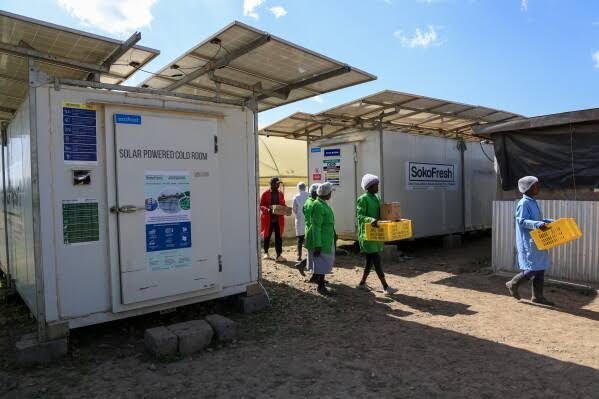
UK Clean Energy Fund Backs Solar Cold Storage for Nigerian Food Markets
More than £2 million from the UK's ZE-Gen Scale-up Fund will back ten African clean energy projects, including 100 solar cold storage units and four solar agricultural hubs in Nigeria.
EIB Global, FCMB Stake €85m to Support Nigeria's Agricultural Value Chains
EIB Global and FCMB have committed €85 million in financing to support companies across Nigeria's agricultural value chains, targeting production, processing and distribution businesses that struggle to access long-term capital.
About the author
Tunde Balogun
Economics Correspondent
Tunde Balogun writes for BusinessPress.