UK Clean Energy Fund Backs Solar Cold Storage for Nigerian Food Markets
More than £2 million from the UK's ZE-Gen Scale-up Fund will back ten African clean energy projects, including 100 solar cold storage units and four solar agricultural hubs in Nigeria.
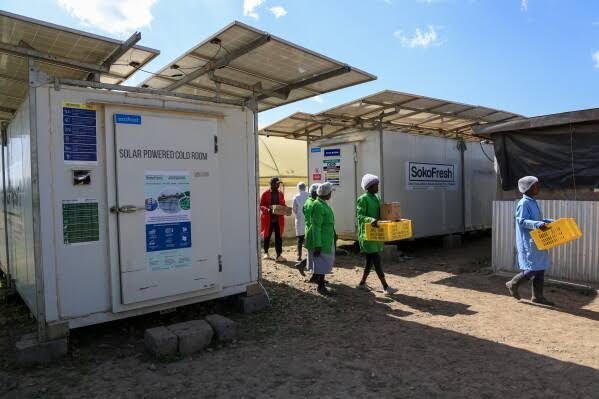
More than £2 million from the United Kingdom's ZE-Gen Scale-up Fund will back ten clean energy projects across eight African countries, with two Nigerian ventures set to deploy solar-powered cold storage and agricultural hubs designed to cut reliance on diesel generators in food markets.
Energy News Network reported on 11 October that the funding, backed by the UK government's Ayrton Fund through the Transforming Energy Access platform, is targeting companies whose systems have already been tested in pilots and are moving towards larger deployment. In Nigeria, Farm Warehouse will install 100 solar-powered cold storage systems for food vendors in major markets, while KAMIM Technologies will build four solar-powered agricultural hubs.
What the Nigerian projects will build
KAMIM's four hubs are designed to combine irrigation, cold storage, ice production and grain processing in single solar-powered sites, addressing several post-harvest loss points at once rather than solving them in isolation. Farm Warehouse's 100 cold storage units target the market-vendor segment, where diesel generators remain the default power source for keeping fish, meat and perishables saleable in heat.
Post-harvest losses in Nigerian food markets are estimated in the 20–30% range for several staples, effectively raising the cost per marketable tonne and compressing farmer and trader margins. Solar cold storage does not eliminate that problem alone, but it attacks the energy cost component that diesel dependence imposes on the cold chain.
Why the ZE-Gen model targets scale-ready pilots
The ZE-Gen cohort model is deliberate. Rather than seeding untested concepts, the fund is backing operators that have completed pilots and need growth capital to expand deployments. That filter matters in African distributed energy, where promising prototypes often stall between demonstration and commercial scale because working-capital and installation finance are scarce.
Other projects in the eight-country cohort include modular battery systems in Kenya, sodium-ion battery trials in Uganda through Telford-based AceOn, solar-powered fishing hubs in Mozambique, second-life battery storage in Rwanda and mini-grid batteries in Lesotho. Two of the projects are in Kenya, where Acele Africa will deploy locally designed and assembled modular battery systems for health facilities and schools, and SHIELD, a University of Oxford spin-out, will move a major Kenyan hospital from diesel generators to solar and batteries under a financing model meant to lower the cost of switching.
What success would look like in Nigeria
For the Nigerian recipients, the test is whether 100 market cold storage units and four agricultural hubs demonstrate unit economics that attract commercial follow-on capital without continued grant support. Diesel parity, maintenance reliability and vendor willingness to pay for cold capacity will be the metrics that determine replication.
If Farm Warehouse and KAMIM hit deployment and utilisation targets, the projects could become reference cases for climate finance aiming at food systems rather than only power sector assets — a distinction development financiers have increasingly emphasised when arguing that adaptation and productive-sector energy access deserve dedicated capital pools.
The wider African context of the cohort is also instructive for Nigerian policymakers. Several selected projects pair hardware with service models — hospital diesel-to-solar conversions, modular battery assembly in Kenya, second-life battery storage in Rwanda — rather than treating electrification as a one-off equipment purchase. That service orientation is what development financiers say separates bankable distributed energy from grant-dependent pilots.
For Nigerian food policy, the projects also offer a measurable link between energy access and price stability. Cold storage losses translate directly into smaller market volumes of fish, meat and perishable vegetables, which in turn affect urban food price inflation. If Farm Warehouse's 100 units measurably extend shelf life and reduce diesel spend for vendors, the intervention will have touched both post-harvest loss and the energy cost component of food inflation in one deployment.
Accountability metrics will matter as much as deployment counts. The ZE-Gen structure rewards scale-ready operators, but the proof for Nigerian food systems will be utilisation rates, maintenance uptime and vendor retention after the first warranty period. If those operational indicators hold, the projects can justify commercial follow-on facilities; if they do not, the £2 million envelope will have bought more pilots rather than more markets.
Up next
Reps Panel Says Domestic Refineries Now Supply Over 75% of Nigeria's Petrol
The House Downstream Committee said domestic refineries supply more than 75% of national petrol with over 25 days of sufficiency, as it passed confidence votes on Tinubu, NMDPRA and Dangote and sought stronger pipeline funding.
More in Agriculture
See all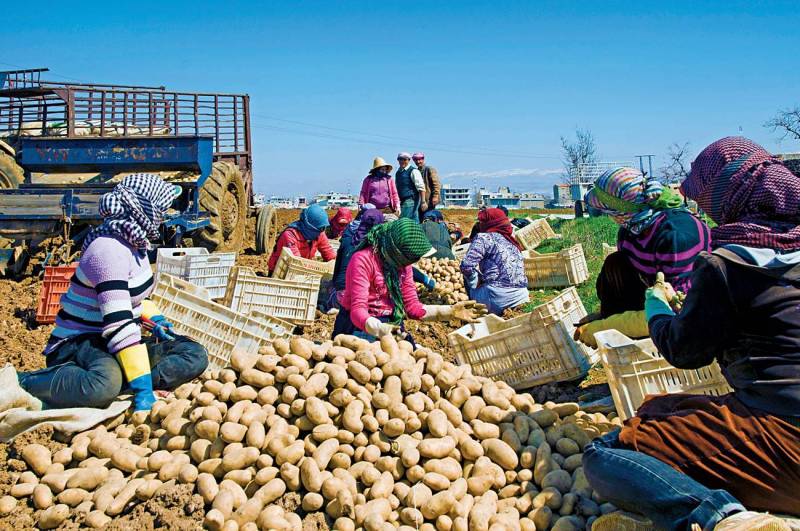
FG Reports 4.39% Agriculture Growth, Targets Lower Food Prices
Nigeria's agriculture sector grew 4.39% in the second quarter of 2026, its strongest momentum since 2021, the Federal Government said at World Food Day.
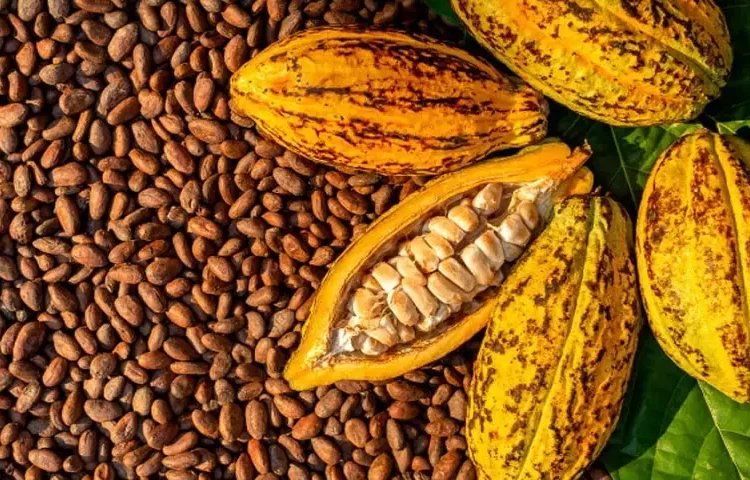
Agric Ministry, NEPC Join Stakeholders to Strengthen Cocoa and Coffee Industries
The Agriculture Ministry and NEPC convene stakeholders to advance strategies for lifting Nigeria's cocoa and coffee output, quality and export earnings.
FG, IFAD Begin 13th VCDP Supervision Mission as Programme Approaches Completion
The FG and IFAD launch the 13th Joint Supervision Mission of the Value Chain Development Programme, praising rice and cassava gains while flagging disbursement and counterpart-funding gaps.
About the author
Tunde Balogun
Economics Correspondent
Tunde Balogun writes for BusinessPress.