Cocoa prices collapse as producers push Abuja Declaration raw-export strategy
Global cocoa prices have fallen sharply, prompting renewed focus on value addition under the Abuja Declaration.
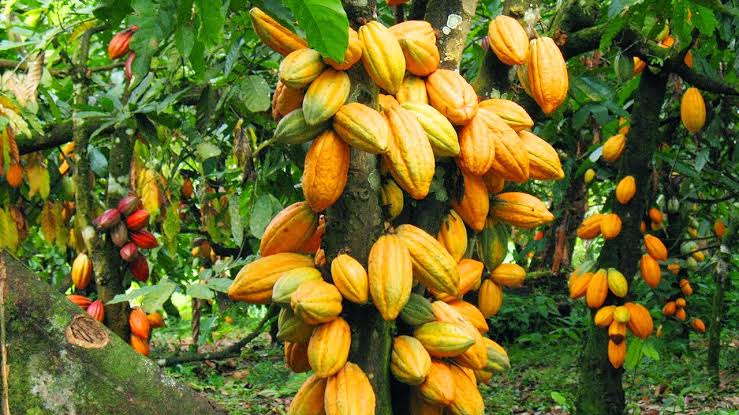
Global cocoa prices have collapsed sharply, with prices down 3.14 per cent recently and AFEX data showing cocoa beans closing at N4,869.23 per kilogramme in September, a 26.8 per cent drop from June levels. The third-quarter average stood at N6,404.64 per kilogramme, reflecting the extent of the correction from earlier peaks.
Nigeria's cocoa sector faces mounting pressure as prices fall, even as the country seeks to maximise export earnings. In the second quarter, cocoa beans exports stood at N213.13 billion according to National Bureau of Statistics data, making it one of Nigeria's largest non-oil exports by value.
Leading cocoa-producing countries including Nigeria, Ghana, Côte d'Ivoire and Cameroon have rallied around the Abuja Declaration, pushing for greater value addition and a shift away from raw bean exports towards processed cocoa products. The initiative aims to capture more value domestically by developing local processing capacity and securing better terms in global markets.
However, Nigerian farmgate prices have remained under pressure, with cocoa selling around N974,765 per tonne, down 1.8 per cent week-on-week. The combination of falling global prices and domestic challenges including logistics costs, quality issues and limited processing capacity makes the value-addition strategy more difficult to implement in the short term.
Cashew remains another important agricultural export for Nigeria, with in-shell cashew exports worth N268.62 billion in the second quarter, making it the largest agricultural export by value. The performance of tree crops will be critical to Nigeria's non-oil export diversification efforts as the government seeks to reduce dependence on crude oil revenues.
Industry stakeholders say the price collapse underscores the vulnerability of commodity exporters to global price cycles and the urgency of building domestic processing capacity. Without value addition, Nigerian farmers and exporters remain price-takers in volatile global markets.
Strategic implications
The development carries broader implications for stakeholders across the value chain. For businesses, it may affect input costs, funding conditions or competitive dynamics depending on the sector. For policymakers, it highlights the need for coordinated responses that address both immediate pressures and longer-term structural issues.
As the situation evolves, market participants and industry players will be watching for follow-up actions, implementation details and measurable outcomes. The effectiveness of proposed measures will be key to determining whether the intended benefits materialise in practice.
In the current environment, agility and informed decision-making remain important as companies navigate changing conditions and adjust their strategies to new realities.
Longer-term outlook
Looking ahead, the trajectory of these developments will depend on policy implementation, market response and global conditions. Stakeholders across the public and private sectors will need to adapt to evolving dynamics while maintaining focus on long-term objectives.
Continued monitoring of key indicators and proactive engagement with emerging trends will be essential to navigating the period ahead. The interplay of structural factors and cyclical pressures is likely to shape outcomes for some time to come.
Outlook and considerations
As developments unfold, stakeholders will need to monitor implementation timelines, policy responses and market reactions closely. The coming weeks are likely to provide further clarity on the direction of these trends and their broader implications.
In an environment of evolving conditions, maintaining flexibility and staying informed will be key. The balance between near-term pressures and long-term opportunities will continue to shape decision-making across sectors.
Value addition challenge
Developing Nigeria's cocoa processing industry requires significant investment in equipment, energy, skills and market access. Competition from established processors in other countries and the need to meet international quality standards are additional hurdles. Government incentives and public-private partnerships will be crucial to scaling up domestic processing.
The Abuja Declaration represents a coordinated approach by West African producers, but implementation will require concrete policy actions and sustained investment rather than just declarations of intent.
Outlook
Global cocoa prices are likely to remain volatile as supply and demand dynamics evolve. For Nigeria, the focus should be on building resilience through value addition, improving productivity and reducing post-harvest losses. The current price downturn, while painful for farmers, may create an opportunity to accelerate structural reforms in the sector if paired with the right policy support.
Up next
AFEX sees paddy rice rally 9.93% while maize stays weak, soybeans and sorghum edge higher
Mixed grain prices as rice firms on selective demand while maize remains under pressure.
More in Agriculture
See all
Bank of Agriculture Reports N450bn Programmes Reaching 500,000 Smallholder Farmers
Progress figures show 2.5 million bags of fertiliser supplied, N20 billion mobilised under the price floor and 1,500 tractors deployed across 23 states, while beneficiary counts reported elsewhere differ.
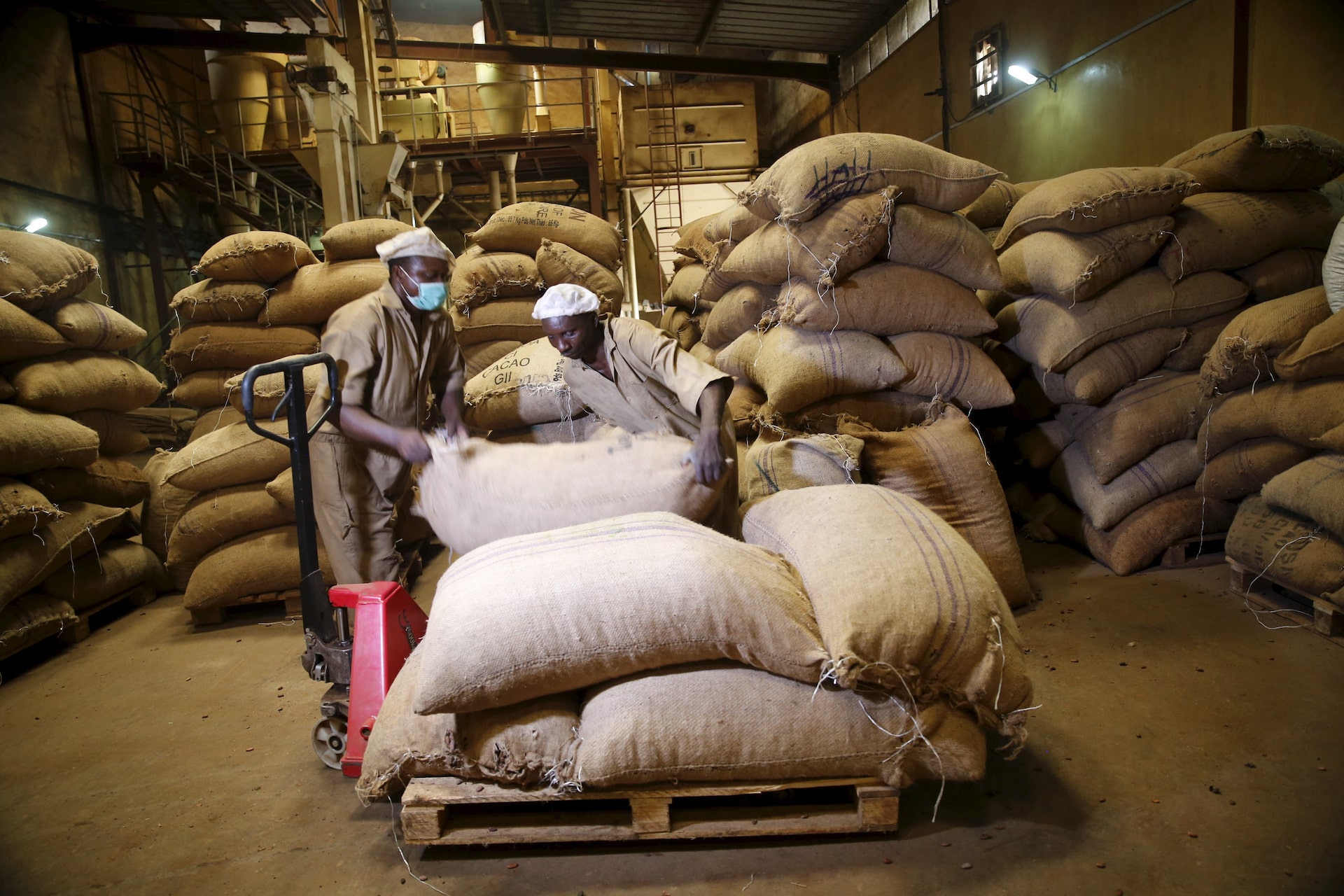
Fertiliser, Cocoa Lead Nigeria's Non-Oil Export Surge
Fertiliser has emerged as a top non-oil export earner alongside cocoa as Nigeria's industrial and agricultural shipments gain momentum in its diversification drive.
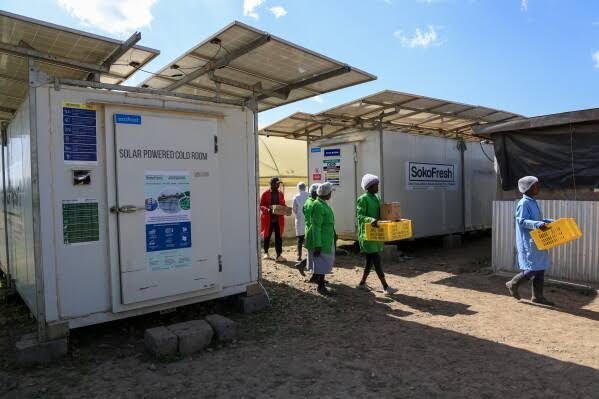
UK Clean Energy Fund Backs Solar Cold Storage for Nigerian Food Markets
More than £2 million from the UK's ZE-Gen Scale-up Fund will back ten African clean energy projects, including 100 solar cold storage units and four solar agricultural hubs in Nigeria.
About the author
Tunde Balogun
Economics Correspondent
Tunde Balogun writes for BusinessPress.