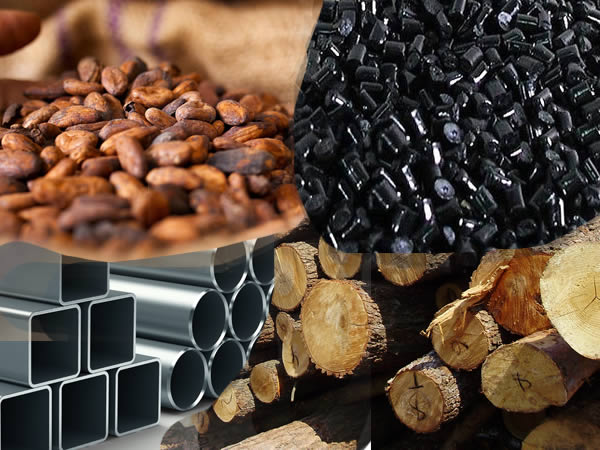
Fertiliser, Cocoa Lead Nigeria's Non-Oil Export Surge
Fertiliser has emerged as a top non-oil export earner alongside cocoa as Nigeria's industrial and agricultural shipments gain momentum in its diversification drive.
Nigeria's non-oil exports have continued to gain momentum, with fertiliser and cocoa products leading shipments as the country pushes to diversify foreign exchange earnings away from crude oil.
At the presentation of the 2024 Non-Oil Export Performance Report, Nonye Ayeni, Executive Director and Chief Executive of the Nigerian Export Promotion Council (NEPC), said cocoa beans and urea/fertiliser emerged as the top contributors to sector revenue. Cocoa beans accounted for 30.55% of total non-oil exports, while urea/fertiliser contributed 15.74%, underscoring the pivotal role of agriculture and industrial exports in Nigeria's economic diversification efforts.
Ayeni attributed the growth to enhanced production in key sectors such as agriculture, solid minerals and manufacturing, alongside trade policy reforms under President Bola Ahmed Tinubu's Renewed Hope Agenda. The NEPC identified increased production of agricultural and industrial commodities including cocoa, urea/fertiliser and sesame seeds, federal efforts to enhance trade policies and market access, and greater participation in regional and international trade agreements among the drivers of growth.
Fertiliser's rise in the export mix
Nigeria's expanding fertiliser production capacity, particularly from large-scale plants with access to natural gas feedstock, has positioned the country as a growing exporter to markets in West Africa and beyond. Preliminary 2026 data indicated earlier in the year that fertiliser had overtaken cocoa as Nigeria's largest source of non-oil export earnings, Abubakar Sadiq Kassim, president of the Fertilizer Producers and Suppliers Association of Nigeria (FEPSAN), told local media in July. He said figures already in the system, which the Central Bank of Nigeria could confirm, showed fertiliser becoming the country's largest non-oil export earner, a trend he expected to continue.
The World Bank has projected urea prices to average around $675 per metric ton in 2026, supporting export realisations for Nigerian producers with surplus output that can be sold abroad without constraining domestic supply. The shift highlights how gas-based industrialisation can create exportable products, providing a hedge against oil price volatility while supporting regional food security.
Cocoa's dual role and processing gap
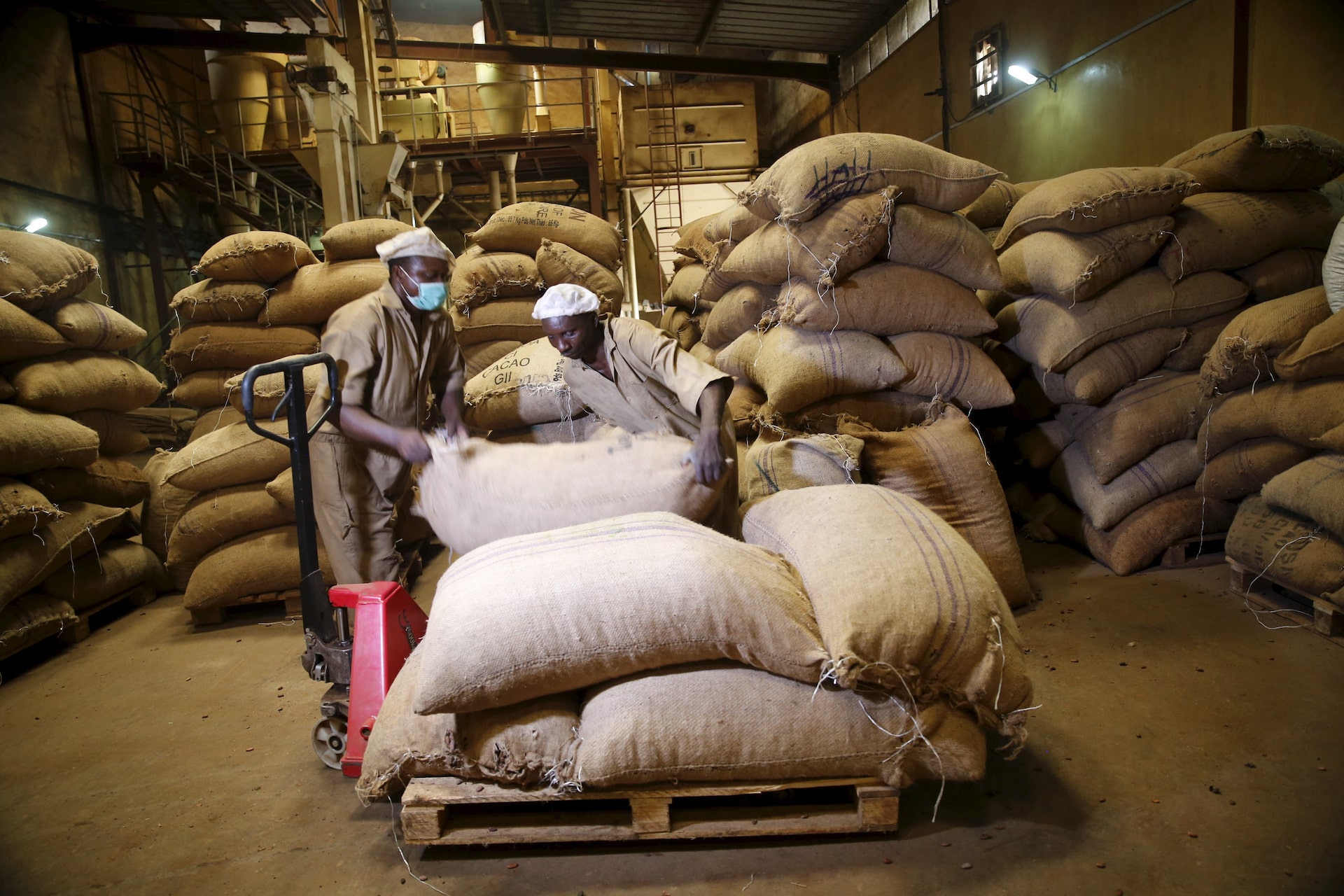
Cocoa beans and cocoa butter remain key contributors to non-oil export earnings. Ayeni noted that a total of 246 distinct products were exported in 2024, spanning manufactured goods, semi-processed commodities and raw materials. Beyond cocoa beans and urea/fertiliser, sesame seeds, cashew nuts and kernels, aluminium ingots, cocoa butter, copper ingots, soya beans and meal, gold doré and hibiscus flower ranked among the most exported products.
Despite strong bean exports, Nigeria still loses an estimated $2 billion yearly because cocoa processing capacity sits idle, limiting value capture at home. Improved traceability, better post-harvest handling and growing demand for sustainably sourced cocoa have helped sustain market interest, though price volatility in global cocoa markets remains a factor for farmer incomes and export values.
What will sustain the non-oil push
Expanding Nigeria's non-oil export base will require sustained investment in logistics, port efficiency, export financing and quality standards. Reducing the cost of doing business at borders and improving certification for agricultural products will be critical to accessing premium markets.
If current trends continue, industrial exports such as fertiliser could play an increasingly important role in Nigeria's export mix, complementing traditional agricultural commodities as the country works to build more diversified sources of foreign exchange. The NEPC's double-your-export campaign and Export 35 Redefined initiative remain central to that effort, according to Ayeni, but delivery will depend on whether processing, logistics and finance keep pace with production.
Export composition data also show breadth beyond the two leaders. The fact that 246 distinct products shipped in 2024 indicates that Nigeria's non-oil export base is not a single-commodity story, even if cocoa and fertiliser dominate value. Solid minerals, manufactured goods and semi-processed commodities all featured in the NEPC catalogue, which matters for resilience: a diversified product list can cushion sector-specific price shocks even when headline earnings remain concentrated.
For traders and processors, the practical implication of fertiliser's rise is a shift in working capital patterns. Urea and compound fertiliser shipments are industrial in cadence — large lots, contracted offtake, gas-linked production costs — while cocoa remains exposed to seasonal harvest flows and London terminal pricing. Banks financing exporters will increasingly need both playbooks in the same non-oil book, with different collateral and hedging assumptions for each.
Up next
IsDB, IFAD Seal $750 Million Deal to Finance African Farming and Rural Business
The Islamic Development Bank and IFAD signed a cooperation agreement to mobilise up to 50 million for agribusiness value chains, rural SMEs, market access and climate adaptation across their shared African membership.
More in Agriculture
See all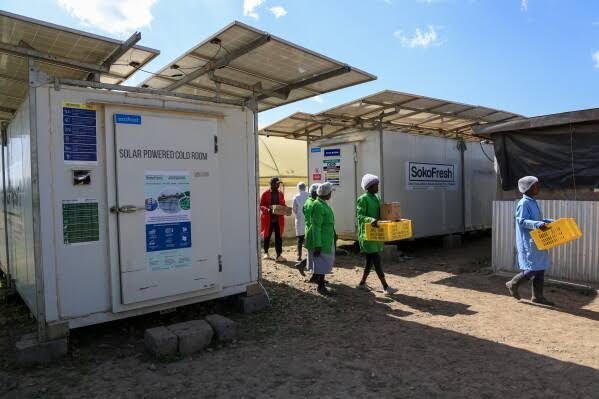
UK Clean Energy Fund Backs Solar Cold Storage for Nigerian Food Markets
More than £2 million from the UK's ZE-Gen Scale-up Fund will back ten African clean energy projects, including 100 solar cold storage units and four solar agricultural hubs in Nigeria.

Sunbeth Capital Raises N150 Billion Commercial Paper to Finance Cocoa Value Chain
Sunbeth Capital is mobilising about N150 billion through commercial paper issuances to fund operations across Nigeria's cocoa value chain, targeting aggregation, processing support and export readiness.
FG Reports 4.39% Agriculture Growth, Targets Lower Food Prices
Nigeria's agriculture sector grew 4.39% in the second quarter of 2026, its strongest momentum since 2021, the Federal Government said at World Food Day.
About the author
Tunde Balogun
Economics Correspondent
Tunde Balogun writes for BusinessPress.