
Analysis: Africa Faces Narrow 2027 Grain Risk Window
Slowest Russian winter sowing since 2013, Ukraine moisture deficits, a 9% palm oil deficit and El Nino converge on African food importers with a 2027 squeeze.
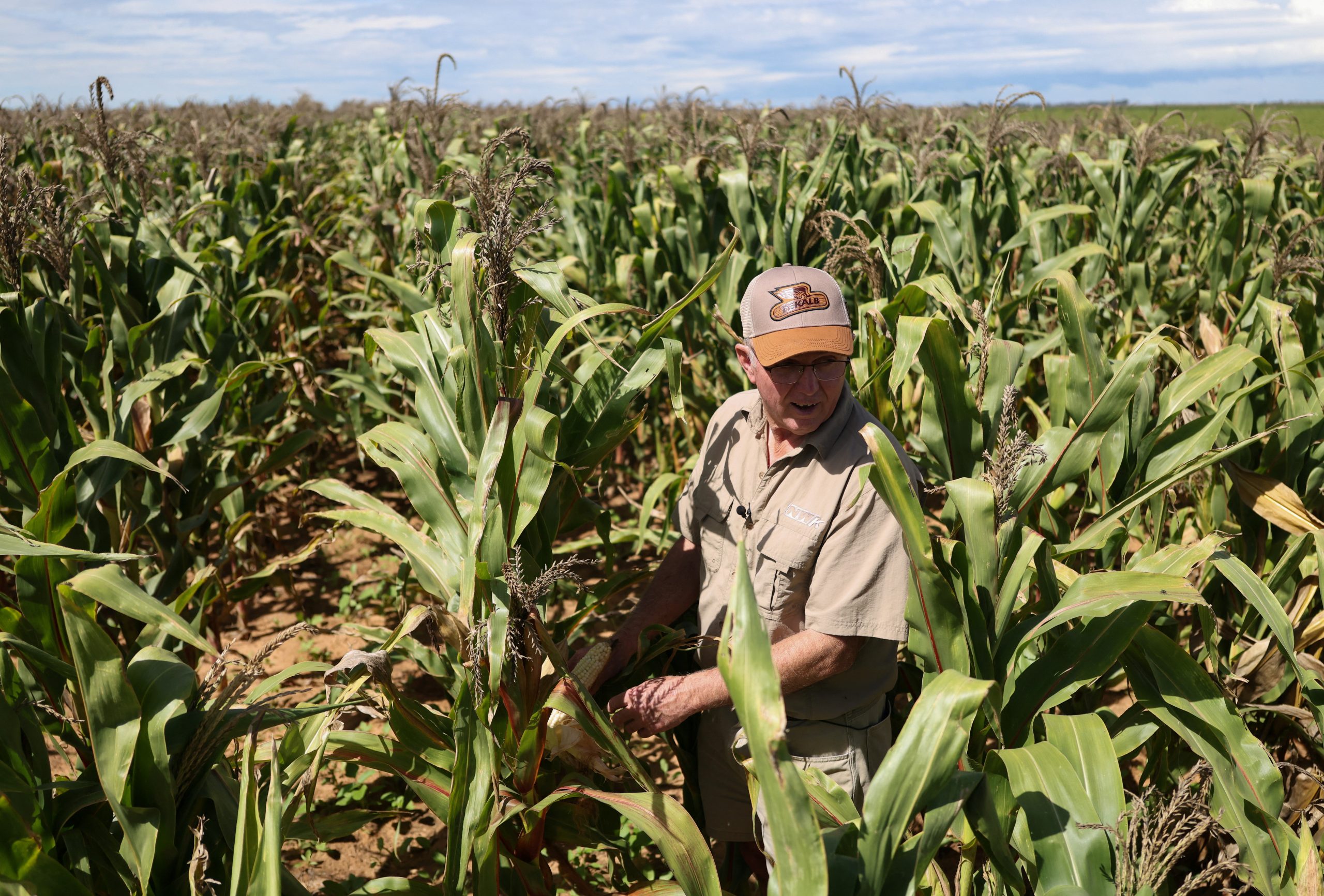
Behind the month's food-price relief lies a mounting supply warning that African treasuries cannot afford to ignore. Russia's winter grain sowing is running at its slowest pace since 2013 — 25 per cent below the five-year average on drought-hit soil — a third of Ukraine's winter wheat area sits in moisture deficit, Indonesia's palm oil output is projected down almost 9 per cent for 2027, and a strengthening El Niño threatens both Argentina's record wheat harvest and West Africa's cocoa belt. For the continent's largest food-importing economies, the 2027 procurement calendar is forming inside the narrowest risk window since the 2022 grain-price crisis.
This analysis examines the mechanics, the exposure and the response options. The conclusion: October's softening Food Price Index — 133.9 points, down from 135.6 — is a buying window measured in weeks, not a trend.
Read one: the Black Sea's slow-motion shortage
Wheat is the single largest imported staple in North and West African diets, and Russia plus Ukraine ordinarily supply a fifth to a third of the world's exports. SovEcon's reporting that Russian winter sowing is the worst since 2013 — with plantings 25 per cent below the five-year average on low soil moisture and poor farm-gate margins — means the 2027 Russian crop, which normally lands at 80-90 million tonnes, enters the season with a materially reduced planted base. Moisture deficits across a third of Ukraine's winter wheat compound the threat, since winterkill during a dry autumn raises spring replanting costs that Ukrainian farmers, facing financing constraints, may not absorb.
The arithmetic of a 15-20 million-tonne shortfall against export expectations is a $40-60 wheat price move on Chicago futures — tens of percent — and North African tenders would reprice first, since Egypt, Algeria, Morocco and Nigeria buy on the international spot. Egypt's April budget cycle and Nigeria's periodic wheat import windows are the first institutional purchasers to confront the repriced curve.
Read two: palm oil's structural deficit arrives early
Indonesia supplies the majority of the world's edible-oil trade, and GAPKI's projection that 2027 output will fall almost 9 per cent to 53.69 million tonnes — on rainfall in the main growing regions running below half of normal since late June — transmits most directly to African kitchens. Palm oil is the continent's cheapest and most consumed vegetable oil, imported heavily by Nigeria, Kenya, Ghana and Egypt, and its international price feeds directly into cooking-oil inflation, the most politically sensitive price family in urban African food markets.
The Brazil fertilizer story adds a compounding risk: Nutrien, the world's largest potash producer, reported that financially squeezed farmers — notably in Brazil — are deferring nitrogen purchases. Deferred application today is lower yield intensity in 2027, and the cycle's lag means the impact lands precisely when grain and oilseed supplies are already stretched. Fertiliser economics thus convert this season's farmer distress into next season's supply risk.
Read three: El Niño and the two-front weather risk
The 2026-27 El Niño event threatens losses on both the supply and logistics side. Argentina's Rosario exchange lifted its wheat estimate to 23.8 million tonnes — the second-largest on record — but flagged that a strong El Niño could disrupt harvest from mid-November and raise quality problems: harvest rains reduce protein and test weights, discounting export cargoes and shrinking usable supply. In West Africa, the same pattern compresses cocoa's dry season, with Reuters-sourced reporting that Ivory Coast's 2026/27 mid-crop could fall 42-50 per cent to 300,000-350,000 tonnes — sending cocoa, a $100-billion processing complex spread across Ghana, Nigeria, Cameroon and Côte d'Ivoire, into a supply squeeze its 2024-2026 price history already demonstrated markets cannot ignore.
The combined effect is a supply map in which the hemisphere's largest breadbaskets, its largest edible-oil exporter and its largest cocoa region are simultaneously stressed. That configuration occurred in 2010-2012 and again in 2020-2022 — both episodes of multi-year food inflation — and its recurrence in 2026-27 would exhaust the price cushions that current global stocks provided.
What African importers and treasuries should do now
Three response options are available in the window while prices are soft. First, forward cover: governments and millers can lock tenders for 2027's first-quarter wheat requirements now, hedging the Black Sea risk at October's prices rather than January's — each $10-per-tonne of forward cover is fiscal savings realised later. Second, strategic stocks: the fiscal cost of raising strategic grain reserves by one month of consumption is trivial against the political cost of a food-price spike, and the current price level is the cheapest insurance the market offers. Third, supplier diversification: the Black Sea exposure argues for expanding Argentine, Australian and North American origination relationships now, since tender frameworks and quality approvals take quarters to establish.
For investors, the trade is the inverse of the consumer's: the listed companies positioned in fertiliser, grain logistics, storage and agri-inputs across Africa are entering a cycle in which every supply-shock risk plays scores as demand for their services. Africa's food-import bill — approaching $90 billion annually on IFC's estimate — is the market those risks will reprice, and the continent's own production response becomes the decade's largest investment theme if the 2027 weather verifies the warnings now visible in sowing data.
The October print gave African policymakers a soft month in a hard pattern. The sowing reports, the palm forecasts and the El Niño forecasts underneath it describe 2027 as a year the continent's food-importing economies should prepare for — at prices that are, for the moment, still buying time.
Up next
Analysis: What Record Nigeria Bank Profits Hide
A 65% profit surge at First HoldCo and record results across Nigerian banks mask three earnings-quality questions: rate-cycle rent, impairment timing and crowding out.
More in Opinion & Analysis
See allNigeria's Petrol Subsidy Debate: What the IMF's Warning Really Says
The IMF used its fiscal monitor briefing to warn against restoring broad fuel subsidies. This analysis examines the fiscal arithmetic, the politics and the realistic path for Nigeria.

Analysis: What the Democrats' Midterm Sweep Actually Means for Nigeria
Analysis: the Democrats' House takeover and seven Senate seats narrow US trade, tariff and rates risk. Here is what it means for Nigeria's exports, debt and policy strategy.

Analysis: What Nigeria's 12-Month Disinflation Streak Has Permanently Taught Us
Analysis: twelve straight months of falling inflation to 15.39% prove the 2023 reforms worked differently from every prior disinflation. Here is what persists.
About the author
Fatima Bello
Analysis Editor
Fatima Bello writes for BusinessPress.
More by Fatima Bello


