Cardoso to replicate remittance reforms for FX diversification
CBN Governor Olayemi Cardoso says the reforms that boosted diaspora remittances to nearly $1 billion monthly will be replicated to diversify foreign exchange earnings and reduce oil dependence.
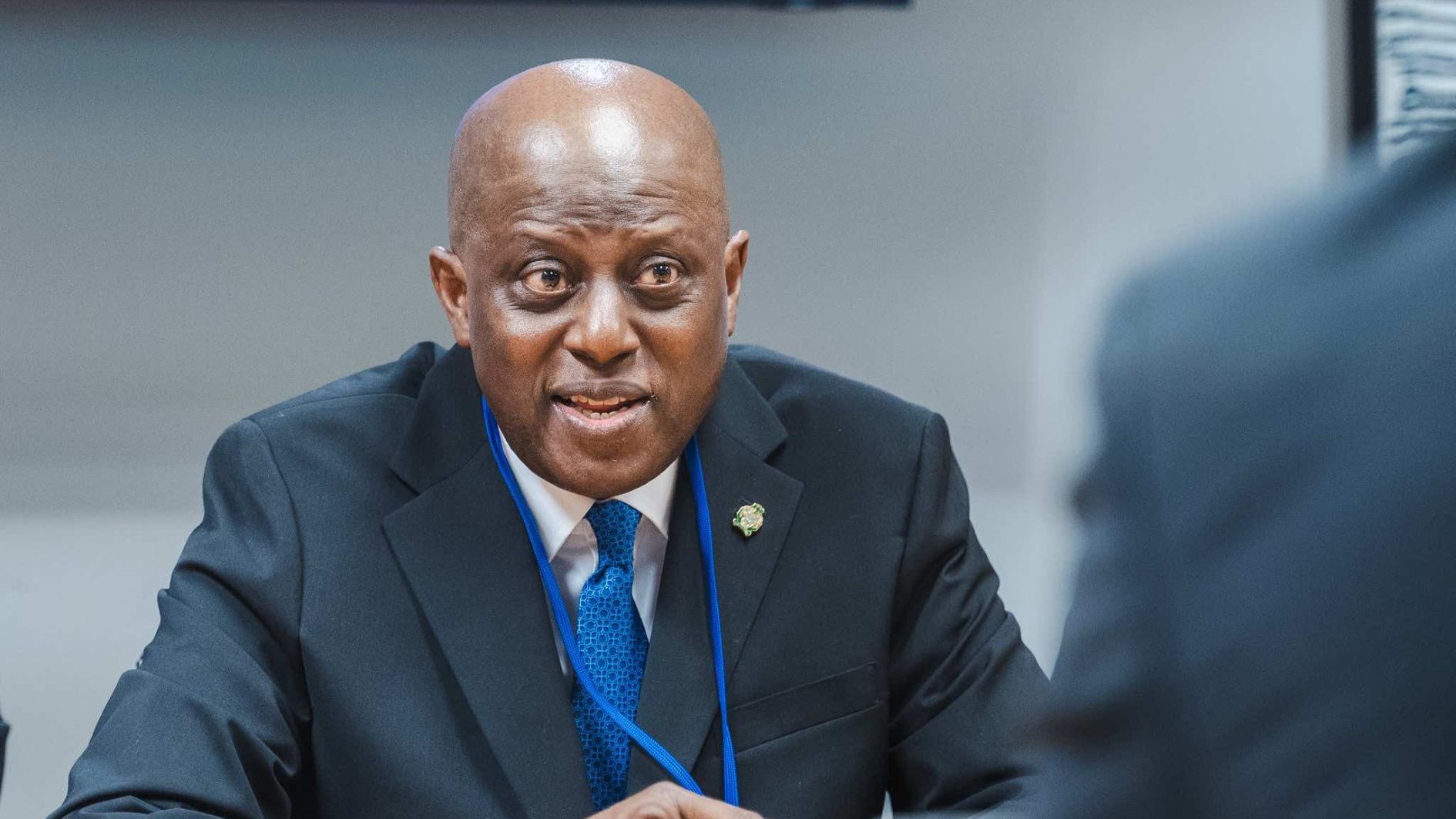
The Governor of the Central Bank of Nigeria (CBN), Mr Olayemi Cardoso, has said Nigeria will replicate the reforms that boosted diaspora remittances to diversify its foreign exchange (FX) earnings and reduce dependence on crude oil exports. He made the remarks on 15 October 2026 during discussions at the IMF–World Bank Annual Meetings in Bangkok, where he highlighted Nigeria's macroeconomic stability and rising external buffers.
Cardoso said the CBN engaged Nigerians abroad, international investors and other stakeholders to remove obstacles to regular remittance transfers, drawing lessons from countries such as India and Egypt. That initiative helped raise monthly diaspora remittance inflows from about $200 million at the start of 2025 to $600 million by the end of the first year, and subsequently to about $950 million monthly by July 2026, close to the CBN's target of $1 billion. He noted that the bank would apply the same approach to other sectors, including commodities and oil, to unlock additional sources of FX.
Strengthening external buffers
Cardoso also pointed to Nigeria's growing external reserves, which stood at $55.1 billion as of 13 October 2026, the highest level in 18 years, according to CBN data. He said the reserve build-up, alongside the relative stability and appreciation of the naira, had helped shield Nigerians from global economic shocks, including the effects of war and tariff uncertainties. The CBN's efforts to improve market functioning through a willing-buyer, willing-seller approach and reduced reliance on direct intervention had also narrowed the premium between the official and parallel exchange rates to below two per cent.
The governor emphasised that the benefits of these reforms extended beyond financial markets to households and businesses. He said lower inflation remained a key priority, noting that a stable and appreciating exchange rate helped ease price pressures. These outcomes, he argued, were laying the foundation for renewed investor confidence and stronger economic growth. Alongside monetary reforms, Cardoso highlighted domestic refining, particularly the Dangote Refinery, as an opportunity to shift away from exporting crude oil and importing refined products, retaining more value in the domestic economy.
Implications for policy
Cardoso's comments reflect the CBN's focus on expanding non-oil sources of FX and sustaining macroeconomic stability. The increase in formal remittance inflows through improved channels is a structural shift that, if sustained, supports reserve accumulation and reduces reliance on volatile oil receipts. Replicating that playbook for commodities and other sectors will require continued policy consistency, transparency in FX markets and efforts to bring more transactions into formal channels.
As Nigeria continues to implement its reform agenda, the challenge remains translating these gains into tangible improvements in living standards. With reserves at their highest level in 18 years and remittances approaching $1 billion monthly, the CBN sees diversification as the next frontier in building resilience against external shocks while supporting long-term economic stability.
Up next
Africa credit outlook improves as reforms ease debt pressure
Moody's has revised sub-Saharan Africa's outlook to positive as reforms, commodity prices and better financing ease debt pressures, though interest burdens remain high for several countries including Kenya and Zambia.
More in Economy
See all
Nigeria's External Reserves Hit Record $55.07bn as Net Buffers Reach $46bn
Gross external reserves rose to an all-time high of $55.07 billion in early October while net reserves climbed to a record $46 billion, CBN Governor Olayemi Cardoso said.
Nigeria spent N5.28tn on domestic debt service in H1 2026
Nigeria spent N5.28 trillion servicing domestic debt in the first half of 2026, with interest and rental payments accounting for N4.95 trillion, according to the Debt Management Office.
Nigeria's Inflation Eases to 14.63% in September as Food Prices Fall
The NBS said headline inflation dropped to 14.63% in September from 15.39% in August, with month-on-month food prices falling 1.55% and core inflation at 12.95% year-on-year.
About the author
Abiodun Abdullahi
Author / Business and Markets Writer
Abiodun Abdullahi writes for BusinessPress.
More by Abiodun Abdullahi
Ten NGX stocks account for 71% of N160tn market value
Markets3 hrs ago
Guinea Insurance shares rally 43% in October 2026
Markets3 hrs ago