Niger Gives Chinese Oil Partners 45 Days to Repatriate $5.2 Billion in Export Revenue
Niger's military-led government told CNPC, WAPCO and SORAZ to return more than $5.2 billion in crude export revenue and meet local-content commitments within 45 days.
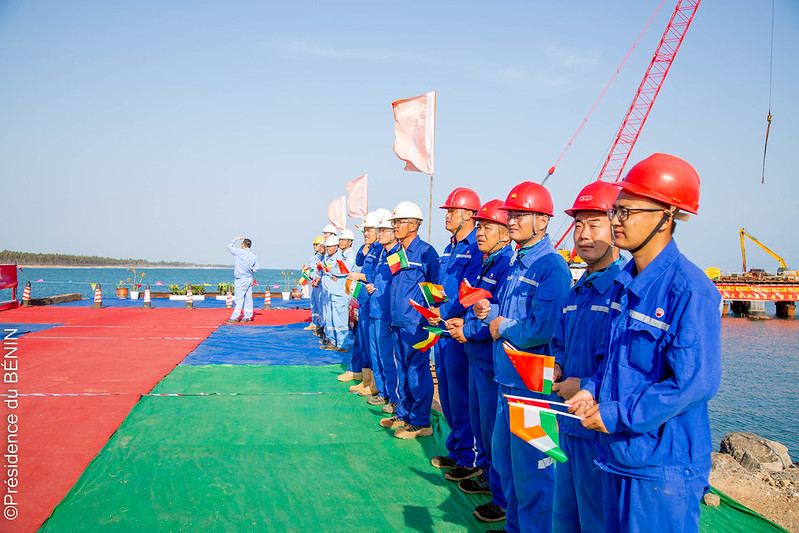
Niger has given Chinese oil companies 45 days to address alleged breaches of their petroleum agreements, including the repatriation of more than $5.2 billion in crude oil export revenue, as the military-led government escalates pressure on its biggest oil-sector partner.
Foreign Minister Bakary Yaou Sangaré announced the deadline on state television on Wednesday, after an October 13 review of the commitments agreed with China National Petroleum Corporation on May 18. The companies named are CNPC, the West African Oil Pipeline Company (WAPCO) and the Zinder refinery operator SORAZ.
The dispute in numbers
Sangaré said more than 3,000 billion CFA francs, equivalent to over $5.2 billion, earned from crude exports since shipments began in April 2024 had not been repatriated. He said Niger's export-earnings repatriation rate stood at about 6%, far below the average of more than 70% across the West African Economic and Monetary Union.
The shortfall, according to the government, has deprived the state, local banks and the wider economy of foreign exchange and financial resources. The review also followed a major well blowout in the Agadem block, adding an operational grievance to the financial dispute.
What the May agreement required
The May accord was intended to rebuild relations after a period of tension. In March 2025, Niamey ordered senior officials of CNPC, WAPCO and SORAZ to leave the country within 48 hours, citing local-content failures. A negotiation committee was established in July 2025.
The partnership agreed in May 2026 cut the export-pipeline transport tariff from $27 to $15 per barrel, which Niamey estimated would save more than $106 million a year, and provided for a 45% state stake in Wapco. It also covered local employment and state participation. The 45-day ultimatum requires the companies to regularise repatriation statements, present plans to recruit Nigerien staff, conduct audits and secure independent certification of the Agadem block's oil reserves.
Why it matters beyond Niger
The dispute tests the durability of Chinese upstream investment in the Sahel at a time when several military governments are renegotiating resource contracts and demanding greater local benefit. The pipeline, stretching more than 2,000 kilometres, is the route that turned Niger into an oil exporter, so any disruption would carry consequences for state revenue and for regional crude flows.
For investors, the message is that contract stability in the Sahel cannot be assumed. Rising resource nationalism has already reshaped mining and energy terms across the region, and companies weighing new commitments will price in that risk.
What happens next
The 45-day clock gives the companies a narrow window to demonstrate compliance. Sangaré said the government would "draw consequences" depending on whether they meet the demands. The outcome will signal how far Niamey is prepared to go in enforcing repatriation and local-content rules against its most important oil partner.
Up next
Kenya Raises Petrol 6% and Diesel 4.5% as Middle East Conflict Lifts Import Costs
Kenya's energy regulator raised pump prices for the October-November cycle after the landed cost of imported fuel jumped, even as the government extended a VAT cut.
More in Business
See all
Power Minister Rules Out Electricity Tariff Increase, Targets 24-Hour Supply
Minister of Power Joseph Tegbe says there is no plan to raise electricity tariffs, insisting the focus is round-the-clock supply as the FG flags off 17.7MW of mini-grids in Oyo State.
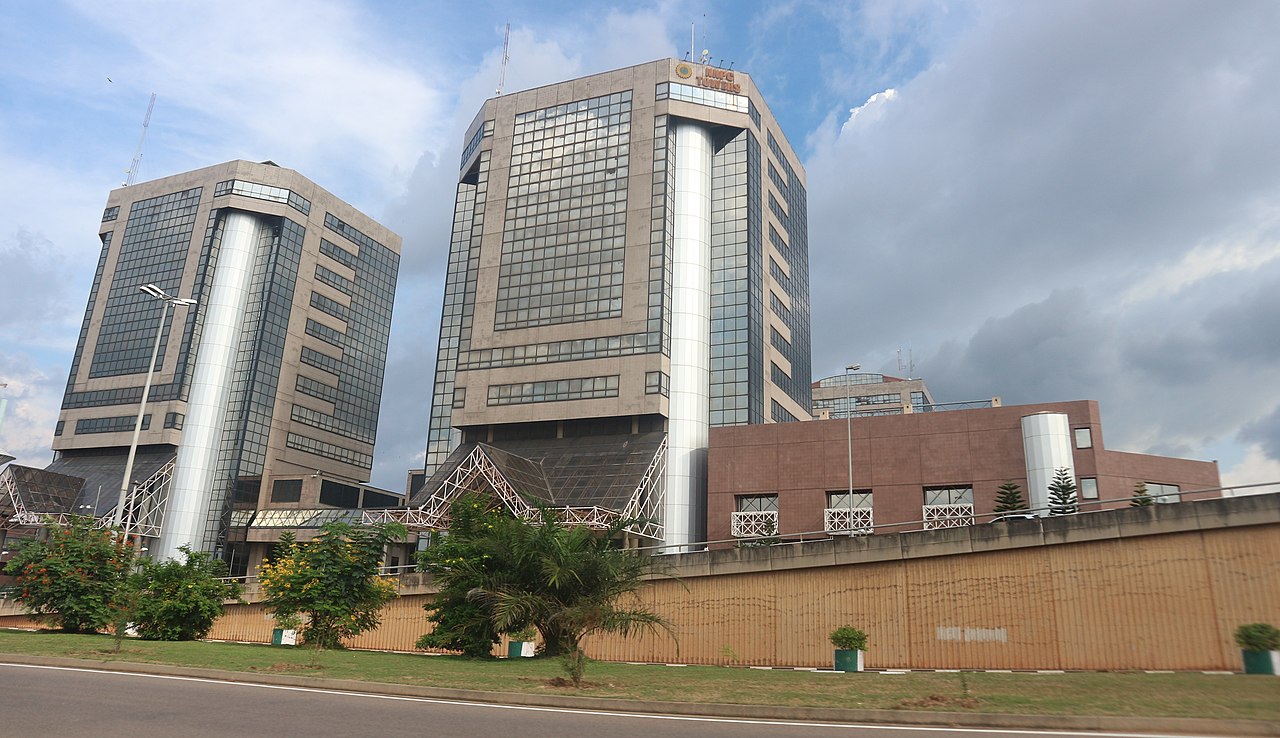
NNPC says October petrol discount does not restore subsidy
The state oil company's retail arm is giving up its margin for 30 days, offering temporary relief without imposing a nationwide pump price.
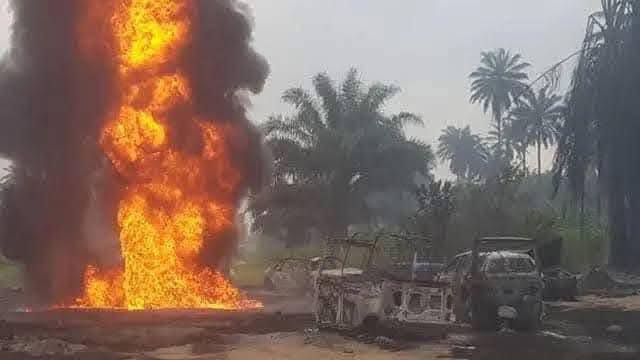
NNPC Confirms Gas Pipeline Explosion in Rivers Community
NNPC Limited confirmed an explosion on a gas pipeline at Aleto in Eleme, Rivers State, isolating the affected segment as it assesses casualties and damage.
About the author
Yaw Boateng
Corporate Reporter
Yaw Boateng writes for BusinessPress.
More by Yaw Boateng