
Europe Leads Global Equity Rally While Asia Diverges After US Midterms
DAX up 1.43%, CAC up 1.40%, FTSE up 1.11% as Democrats' sweep narrows policy risk; Nikkei fell 1.42% and gold jumped 2.87% to about $4,053.
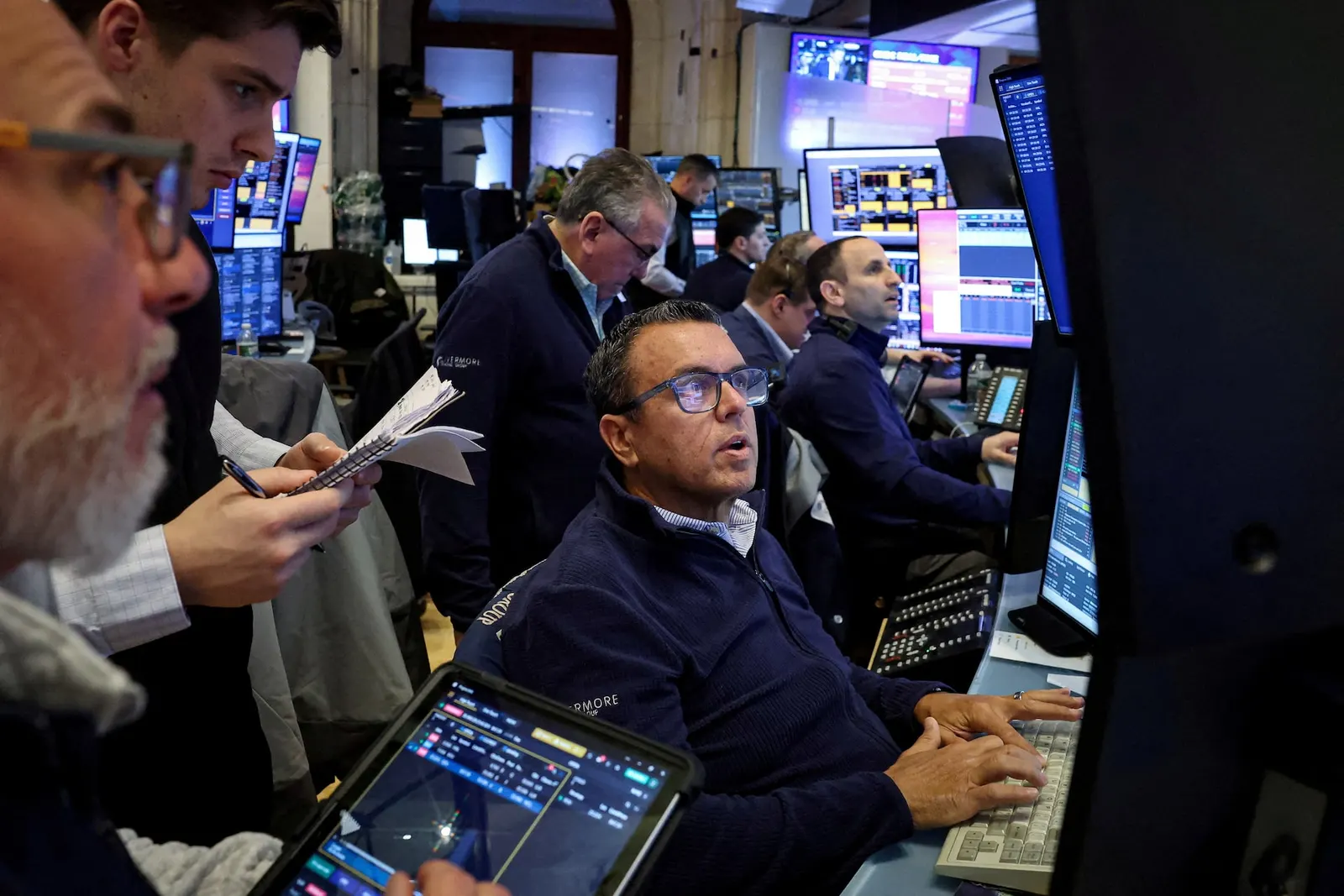
World markets delivered the verdict on the morning after the United States midterm elections, with equities rallying across Europe, Asian bourses diverging sharply, gold jumping nearly three percent and the dollar slipping on a day investors read the Democrats' congressional sweep as a brake on policy risk. European closing data showed the DAX up 1.43 percent, the CAC 40 up 1.40 percent and the FTSE 100 up 1.11 percent, while S&P futures advanced 0.8 percent.
Asia told a more complicated story. Shanghai's composite climbed 2.16 percent and Hong Kong's Hang Seng added 1.67 percent, but Tokyo went the other way: the Nikkei fell 1.42 percent, making Japan the session's largest large-cap decliner. South Korea recovered early losses to close up 0.62 percent. The divergence tracked currency and sector exposures rather than a common global theme — exporters repriced differently depending on how each market reads a mixed-dollar environment now that Congress is divided.
What the sweep repriced
Three repricings dominated the day. The first is political risk: a Democratic Congress meaningfully narrows the range of fiscal and trade surprises, and equity markets historically reward that narrowing — moderated spending fight risk, softer odds of disruptive tariff escalation, and a check on unilateral executive action. The second is the dollar's path, which softened as traders parsed a divided government's implications for rates: the 10-year Treasury yield traded around 4.92 percent while the greenback declined against major crosses, easing pressure on emerging-market portfolios and — for Nigeria's debt desk — marginally sweetening the relative value of naira instruments against dollar funding benchmarks.
The third repricing was in precious metals, which behaved like assets that had just been handed a friendlier macro backdrop: gold jumped 2.87 percent to around $4,053 an ounce, silver surged 4.91 percent to $52.02, and platinum gained 2.16 percent. Rising metals with falling yields is a classic trade of markets pricing policy moderation alongside continued fiscal and monetary accommodation — and it matters directly for gold-linked economies and central-bank reserve strategies across Africa.
The sector map behind European gains
Europe's rally was broad but not indiscriminate. Rate-sensitive sectors — real estate, utilities, financials — led, consistent with the market reading a divided Congress as stabilising the rates path. London's advance came despite the FTSE 100's heavy commodity weighting, which caught a tailwind from the metals move rather than fighting it. Continental industrials with dollar revenues had the more delicate arithmetic: softening greenback erodes their export competitiveness even as it lifts the value of dollar earnings, keeping net positioning in plays with domestic-demand exposure through the week.
For Japanese equities, the session reversed months of outperformance as the yen's dynamics, export-share exposure and the political resilience of a trade-reliant economy gathered once the polls closed. The read-through: Asia's winners and losers split along trade-bloc lines, with China-facing markets rallying on their own policy stimulus narrative colliding favourably with a less aggressive Washington, and export-led North Asia managing the arithmetic of a softer dollar more cautiously.
What Nigeria should take from the session
Nigeria's investment case sits inside every one of these dynamics. A divided Congress and a moderating trade posture reduce the odds of aid restrictions and sudden tariff shocks on African exports; a softer dollar relieves the imported-inflation arithmetic that has made the CBN's inflation fight harder; and rising gold supplies a reminder that commodities can hedge the policy-reliant era's primary risk. Global bond investors, for whom the Treasury yield is the anchor risk-free rate, watch the 10-year first and Nigeria's yield curve second — a stabilising US rates path is the most invisible but most valuable condition for African fixed-income inflows.
The day's caveats remain: one session of optimism is not a valuation regime, congressional arithmetic will ultimately shape policy through calendar and committee work, and the assumptions driving Wednesday's global optimistic tone could be broken by the next legislative stalemate. But the session's message was clear and consistent across asset classes — equities up, metals up, dollar down — and the markets' message is that a divided US government, for the world at large, means slightly less uncertainty than what came before it.
Up next
Novo Nordisk Raises 2026 Sales Outlook as Obesity Drug Demand Outpaces Supply
Novo Nordisk beat third-quarter expectations and raised its 2026 sales outlook on obesity drug demand, with shares up about five percent.
More in Markets
See allAustralia Extends Rate Hike Streak To An 18-Year High
The Reserve Bank of Australia lifted its cash rate for a fifth time in 2026 to 4.85 percent, an eighteen-year high that hardens the global fight with inflation.

Oil Whiplash Tests Markets As US-Iran Talks Wobble
Oil prices swung violently around the 100 dollar mark after a US strike on Iran Qeshm Island revived escalation fears across the market.

US Midterms Look Set To Spare Global Markets
JPMorgan strategists expect limited market impact from the US midterm elections as investors price policy gridlock and look past the vote.
About the author
Abiodun Abdullahi
Author / Business and Markets Writer
Abiodun Abdullahi writes for BusinessPress.
More by Abiodun Abdullahi


