Nigeria's Imported Food Price Growth Slows to 9.19%, Slowest in Six Months
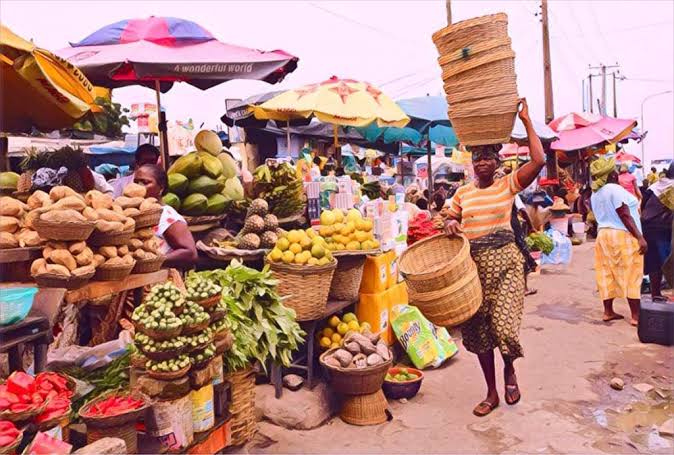
Nigeria's imported food price growth slowed to 9.19 per cent year on year, the weakest pace in six months, as exchange rate stability and softer international food costs reduced pressure on imported staples.
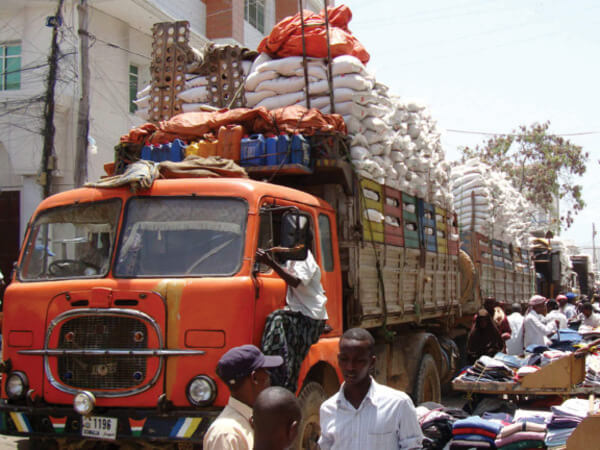
Nigeria's imported food price inflation slowed to 9.19 per cent year on year, the weakest pace of increase in six months, as steadier exchange rates and softer international food costs began to feed through to what consumers pay for imported staples.
The moderation in imported food price growth is a rare bright spot inside a food inflation basket that has remained stubbornly elevated. Headline food inflation stood at 19.59 per cent in September, according to National Bureau of Statistics data, even as month-on-month food prices actually fell by 1.55 per cent during the month.
Why imported foods are cooling faster
Imported food costs are uniquely sensitive to two variables: the naira exchange rate and the dollar price of commodities on global markets. Over the past six months, the naira has stabilised in a tighter official band, and several international food commodity prices have eased from their earlier peaks.
Together, those forces have taken some of the heat off the import bill for rice, wheat, frozen foods and other staples that Nigeria still sources heavily from abroad. The 9.19 per cent print marks the slowest annual imported food inflation in half a year.
Domestic production still the decisive lever
Economists caution that imported food price relief is fragile because it depends on external conditions Nigeria does not control. A reversal in the exchange rate or a spike in global grain prices could quickly unwind the gains.
The more durable path, officials and analysts argue, remains higher domestic output — improved seeds, mechanisation, irrigation and storage that reduce the share of consumption met through imports. Policy efforts on those fronts have accelerated, but the import dependency in the food basket, estimated at close to 30 per cent of consumed food, has been slow to shrink.
What it means for headline inflation
Softer imported food inflation has contributed to the broader disinflation trend that took headline inflation to 14.63 per cent in September, its lowest reading since October 2020. Whether that trend holds through the rest of the year will depend on harvest outcomes, energy costs and the continued stability of the currency.
Up next
Naira Holds Near N1,331/$ as Record Reserves Steady the Currency
Nigeria's naira opened the week around N1,331 per dollar, supported by foreign reserves that have climbed to about $58.81 billion — their highest level since November 2008.
More in Agriculture
See all
FG, IFAD Begin 13th VCDP Supervision Mission as Programme Approaches Completion
The FG and IFAD launch the 13th Joint Supervision Mission of the Value Chain Development Programme, praising rice and cassava gains while flagging disbursement and counterpart-funding gaps.
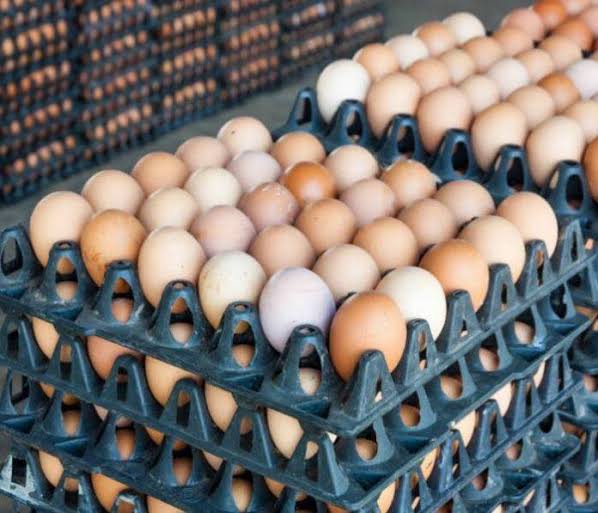
ESDAN Launches EggHome App to Tackle Egg Glut and Cut Out Middlemen
The Egg Sellers and Distributors Association of Nigeria unveils EggHome to link egg producers directly with consumers and ease recurring market gluts.
Nigeria Marks 2026 World Food Day With Innovation Drive as FMAFS, FAO Flag Off Activities
The Federal Ministry of Agriculture and the FAO begin World Food Day 2026 activities under the theme Innovate Today, Nourish Tomorrow, spotlighting innovation in Nigeria's food system.
About the author
Tunde Balogun
Economics Correspondent
Tunde Balogun writes for BusinessPress.
More by Tunde Balogun