Lagos-Calabar Coastal Highway targets three-year completion, Umahi says
The coastal highway could cut logistics costs and open new corridors, but financing, land disputes and delivery risks cloud the timeline.
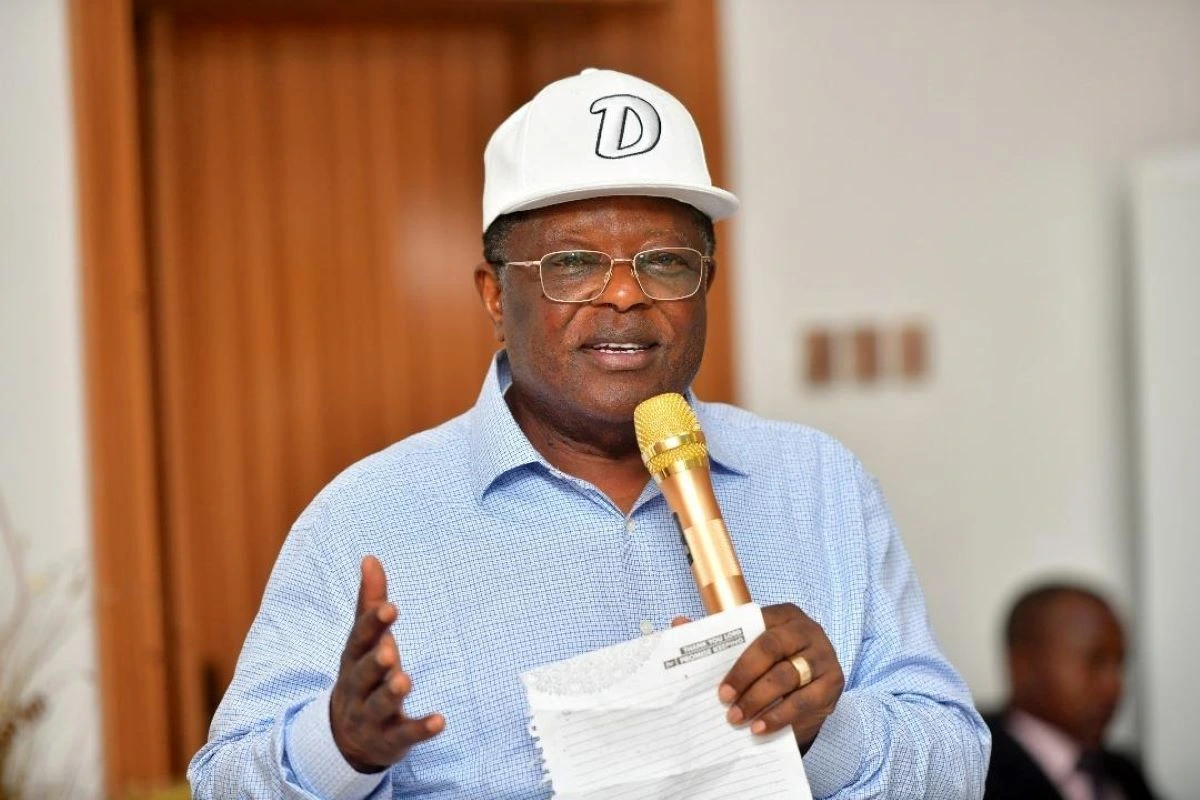
The Lagos-Calabar Coastal Highway will be completed in three years, according to Minister of Works David Umahi, a timetable that puts one of Nigeria’s largest infrastructure projects at the centre of the government’s growth agenda. The highway is intended to connect Lagos to Calabar along the coast, linking major ports, cities and industrial corridors.
The project has been controversial because of its cost, route and environmental impact. Supporters argue that it will reduce travel time, lower logistics costs and open up coastal communities. Critics question the procurement process and whether the government can deliver on time and within budget.
The three-year completion target is ambitious. Large road projects in Nigeria routinely slip because of funding gaps, land acquisition disputes, weather and contractor capacity. Meeting the deadline would require sustained financing, effective project management and minimal political interference.
Why the road matters
Nigeria’s coastal corridor contains some of the country’s most important economic assets. Lagos is the commercial capital, Ondo and Delta produce oil and gas, and Cross River and Akwa Ibom have ports and agricultural potential. A reliable road link could reduce the cost of moving goods between these areas.
Logistics costs in Nigeria are high. Poor roads, checkpoints and delays at ports make it expensive to move goods from farms and factories to markets. A modern highway can reduce those costs, improve reliability and make Nigerian products more competitive.
The road could also support tourism and real estate development along the coast. New access can attract investment in hotels, housing and industrial parks. Those benefits depend on complementary infrastructure, including power, water and security.
The financing challenge
The project is expensive, and the government’s fiscal space is limited. Funding has come from a mix of budget allocations, loans and private-sector participation. The exact financing structure has been debated, and transparency remains a concern.
Road projects often suffer from cost overruns. Inflation, currency depreciation and changes in design can push costs higher. If the government tries to absorb those costs, it may need to borrow more or cut spending elsewhere.
Private investors are wary of projects with uncertain revenue. Tolling can generate income, but it requires a reliable traffic forecast and a legal framework for setting and collecting fees. Without those, the private sector may demand guarantees that shift risk back to the government.
The delivery record
Nigeria has completed large infrastructure projects before, but not always on time. The Second Niger Bridge, the Lagos-Ibadan Expressway and the Abuja-Kaduna railway all faced delays and cost revisions. The coastal highway is more complex because of its length and coastal environment.
Land acquisition is a major risk. The route passes through communities, wetlands and areas with existing economic activity. Compensation disputes can stop work and increase costs. Environmental and social safeguards are also important, particularly for fishing communities and fragile ecosystems.
Contractor capacity is another constraint. Building a coastal highway requires specialised equipment, engineering expertise and materials. The government must ensure that the contractors have the financial and technical capacity to deliver.
What it means for the economy
If completed, the highway could boost trade, investment and employment. Construction itself creates jobs and demand for materials. Once operational, the road can lower transport costs and improve access to markets.
The benefits will not be automatic. Complementary policies are needed to ensure that the road supports inclusive growth. That includes support for small businesses, investment in ports and logistics, and measures to prevent speculation from driving up land prices.
The project also has fiscal implications. Debt used to finance the road must be serviced, and the government must demonstrate that the returns justify the cost. A rigorous cost-benefit analysis and transparent reporting would help build public confidence.
The outlook
The three-year target is a political commitment as much as an engineering one. Meeting it will require coordination across ministries, states and contractors. Any delay will be scrutinised, particularly given the project’s prominence.
For investors, the highway is a long-term opportunity in construction, logistics, real estate and tourism. But the risks are significant, and the timeline should be treated with caution. Infrastructure projects rarely proceed exactly as planned.
The Lagos-Calabar Coastal Highway could become a transformative piece of infrastructure. Whether it does depends on execution, transparency and the government’s ability to manage the financial and political pressures that come with a project of this scale.
Up next
Petrol imports fall 30% as Nigeria’s daily demand hits 44.4 million litres
Domestic refining is reducing petrol imports even as demand rises, but data gaps and supply risks could still trigger shortages.
More in Economy
See all
Jollof rice now takes 37% of minimum wage as food inflation bites
The cost of a staple meal exposes how food inflation is squeezing Nigerian households and undermining the real value of the minimum wage.
Ajaokuta steel revival falters on power and raw-material gaps
Nigeria’s flagship steel complex needs reliable power, inputs and financing before it can anchor industrialisation, analysts warn.
FDI at 1.3% of inflows puts Nigeria’s $1 trillion economy goal at risk
Foreign direct investment remains a tiny share of capital inflows, exposing the investment-climate gap behind Nigeria’s growth ambitions.
About the author
Musa Abdullahi
Finance Correspondent
Musa Abdullahi writes for BusinessPress.
More by Musa Abdullahi