Nigeria Unveils $78.5 Billion, 65-Project Investment Pipeline at IMF-World Bank Meetings
Nigeria has unveiled a pipeline of 65 investment projects requiring a combined $78.5 billion in capital, pitched to global investors at the IMF and World Bank Annual Meetings in Bangkok.
Nigeria has unveiled a portfolio of 65 investment projects requiring a combined $78.5 billion in capital, pitching the pipeline to global investors at the International Monetary Fund and World Bank Annual Meetings in Bangkok, Thailand.
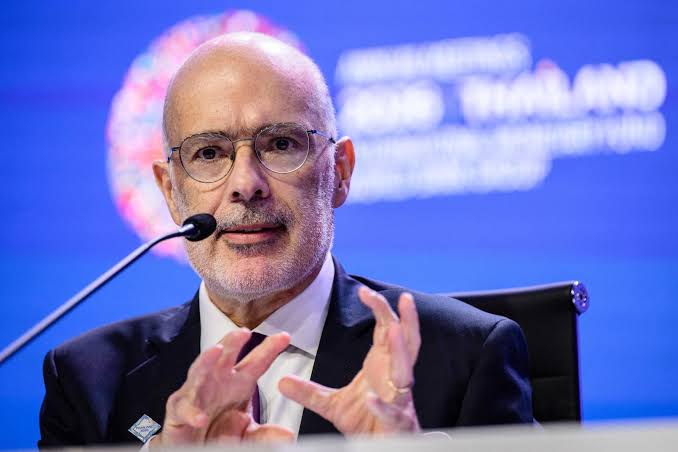
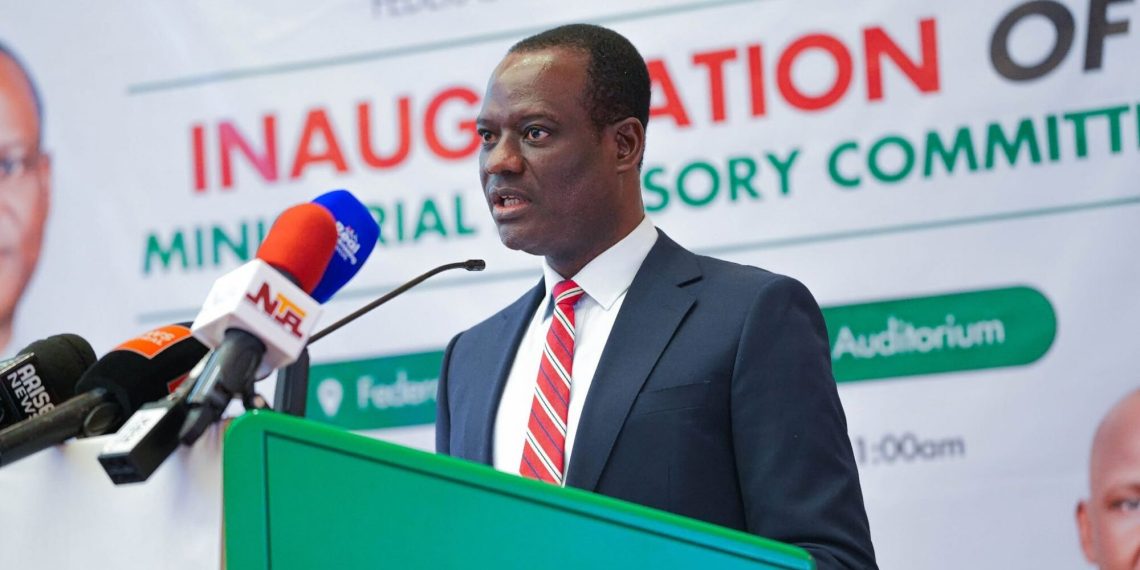
The projects were presented on Wednesday by Finance Minister and Coordinating Minister of the Economy Taiwo Oyedele and Central Bank Governor Olayemi Cardoso, who used a dedicated deal room at the meetings to connect Nigerian sponsors with international financiers. The offerings are catalogued on the government's Projects Nigeria portal, which is designed to give investors a single window onto the country's investable opportunities.
The pipeline spans several sectors. Oil and gas and power account for the largest share, with 25 projects. Industry, manufacturing and mining contribute 17, while transport and maritime add eight. Agriculture contributes six, and technology, health and urban development together account for nine. The government estimates the projects would create about 366,763 jobs if delivered.
Where the money is meant to go
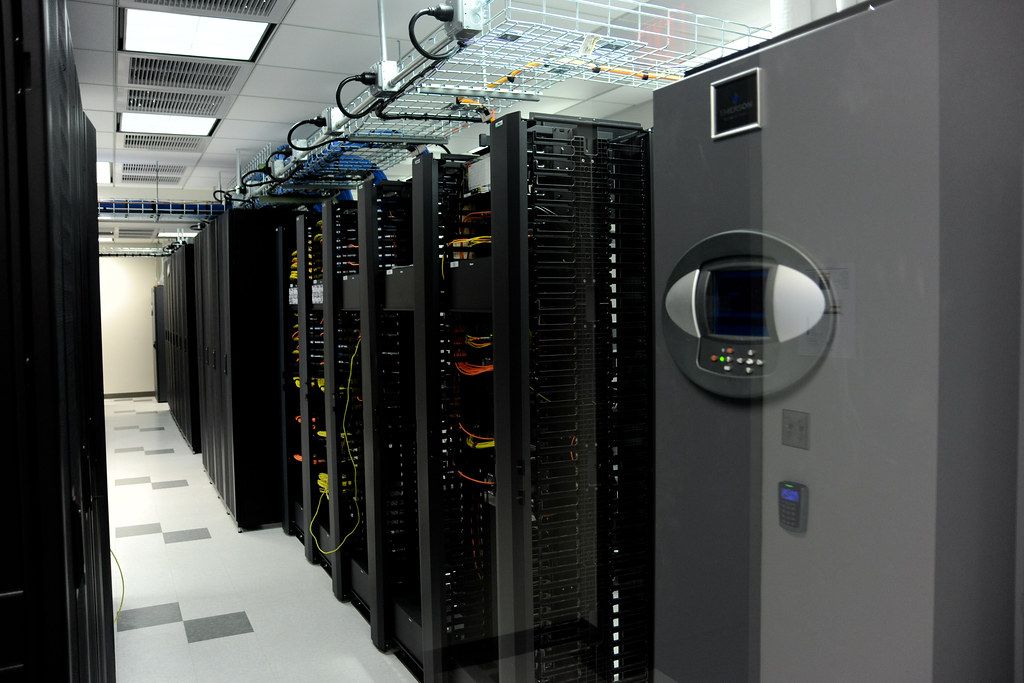
Several flagship projects anchor the list. These include Project Reliaxx, valued at $1.7 billion, the $1.29 billion Lagos Greenline Railway, and the $1.25 billion Premium Steel and Mines expansion. In energy and agriculture, the Multipurpose Industrial Platforms ammonia and phosphate fertiliser project is put at $2.69 billion, while the PELIA Flare-Gas AI Data Centre is valued at $355.6 million and the Integrainium Giri Agro-Processing and Cold-Chain project at $105 million. A New Port City project is listed at $1.6 billion.
The pitch is part of a broader economic target. Mr Cardoso said Nigeria is aiming for economic growth of about 7 per cent by 2027 or 2028, oil production of 3 million barrels per day, and an increase in the country's infrastructure stock to 75 per cent of gross domestic product.
The deal room and the follow-through problem
A deal room is a useful mechanism because it puts sponsors, bankers and investors in one place and creates the conditions for term sheets rather than memoranda. But the gap between a well-packaged pipeline and projects that break ground is where most countries stumble. Nigeria has announced large investment intentions before, and the recurring challenge has been convertibility: moving from interest to signed, funded and disbursed capital.
What will matter now is whether the pipeline is backed by project preparation that financiers can diligence. That means bankable feasibility studies, clear land and permitting status, credible offtake arrangements for energy and industrial projects, and a transparent process for resolving the regulatory approvals that can otherwise stall a deal for years.
What it means for Nigerian businesses
For domestic companies, a successful pipeline is more than a headline. Large projects generate construction demand, logistics contracts, supplier opportunities and jobs, and they can lower input costs when the projects are in power, fertiliser or transport. The ammonia and phosphate fertiliser scheme, for instance, speaks directly to the cost of agricultural inputs, while new rail and port capacity affects the movement of goods across the country.
A stronger project pipeline also improves the case for local capital. Pension funds, insurers and banks looking for long-dated assets need investments of scale, and a well-structured rail or energy concession can absorb patient domestic money as readily as foreign equity.
The delivery test
The $78.5 billion figure is a capital requirement, not a commitment, and the difference is the story investors will track. The next milestones are whether individual projects reach financial close, whether the government publishes regular progress updates, and whether the policy environment, from tariffs to foreign exchange access to contract enforcement, holds steady long enough for projects to be built. Nigeria has put a credible shop window in Bangkok. The harder work of turning 65 listings into completed assets begins at home.
Up next
CBN and Finance Ministry Put Single-Digit Inflation at Centre of Nigeria's Fiscal Plan
The Central Bank of Nigeria and the Federal Ministry of Finance have placed single-digit inflation at the centre of Nigeria's medium-term strategy, with Finance Minister Taiwo Oyedele estimating that achieving it would save more than $10 billion on 2026 figures.
More in Economy
See all
Nigeria Spent $1.82bn Servicing External Debt in First Half of 2026
Nigeria's external debt service fell year-on-year in the first half of 2026, but domestic debt obligations continued to dwarf the foreign bill, DMO data shows.
Nigeria Risks $1bn Export Loss Over EU Deforestation Rules, NEPC Warns
The Nigerian Export Promotion Council warns that exporters could lose more than $1 billion a year if they fail to meet EU deforestation rules, with cocoa most exposed.

Nigeria Trade Surplus Doubles to N12.6 Trillion in Q2 2026
Africa's largest economy posted a record quarterly trade surplus in the second quarter of 2026 as exports outpaced imports, with non-crude receipts now accounting for more than half of outbound trade.
About the author
Tunde Balogun
Economics Correspondent
Tunde Balogun writes for BusinessPress.