Global bond investors return to a battered market in search of yield
After steep losses, global bonds are drawing buyers as yields rise, but inflation, fiscal risk and currency volatility keep the recovery fragile.
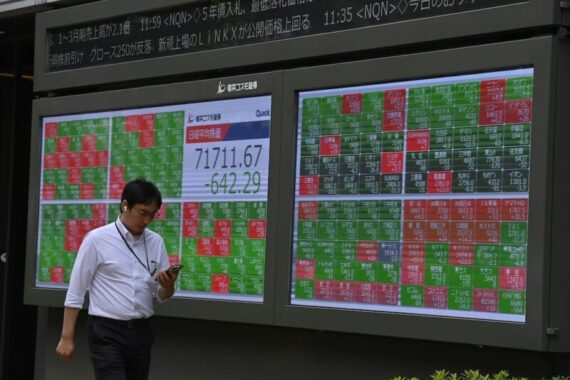
Investors are beginning to find opportunities in the battered global bond market after a prolonged period of losses, according to market reports on October 23, 2026. Yields have risen to levels that offer attractive income, and some fund managers argue that the risk-reward balance has shifted in favour of fixed income for the first time in years.
The bond market has been under pressure from central bank tightening, fiscal deficits and inflation. Prices fell as yields rose, inflicting losses on investors who had grown accustomed to a long period of low rates. The turn in sentiment is tentative, but it reflects a reassessment of how much bad news is already priced in.
For Nigerian investors, the global bond story matters through several channels. It affects the cost of foreign borrowing, the attractiveness of local yields and the direction of capital flows. A sustained recovery in global bonds could lower risk premiums for frontier markets, including Nigeria.
Why bonds are attracting buyers
The simplest reason is yield. After years of low returns, government bonds in the United States, Europe and some emerging markets now pay meaningful income. For pension funds and insurers with long-term liabilities, that is a significant improvement.
Inflation expectations have also stabilised in some economies, giving investors more confidence that central banks are near the end of their tightening cycles. If rates peak, bond prices should stop falling and may start to recover.
Fiscal risk remains a concern. Governments have borrowed heavily to fund deficits, and the supply of new bonds is large. That can keep yields elevated even if inflation cools. Investors are demanding compensation for the risk that fiscal policy becomes unsustainable.
The Nigeria connection
Nigeria’s Eurobonds trade in the same global market. When international investors are willing to take risk, Nigerian yields fall and the government can borrow more cheaply. When they retreat, spreads widen and issuance becomes difficult.
The country’s inclusion in JPMorgan’s frontier bond index has increased demand for its dollar debt, but it has not eliminated volatility. Global bond funds can sell Nigerian assets quickly if risk appetite changes, which makes the market sensitive to external shocks.
Domestic bonds are a different story. Nigerian government bonds offer high nominal yields, but inflation and currency risk can erode real returns. Investors who buy naira bonds are making a bet on the exchange rate as much as on interest rates.
The risks that remain
The biggest risk is that inflation proves stickier than expected. If central banks keep rates higher for longer, bond prices will remain under pressure. Investors who buy too early could suffer further losses.
Fiscal policy is another risk. Large deficits require more borrowing, which can push yields higher. If investors lose confidence in a government’s ability to control its debt, the market can turn quickly.
Currency risk is particularly relevant for Nigerian investors buying foreign bonds. A weaker naira increases the naira cost of servicing dollar debt and reduces the return on foreign assets when converted back. Hedging can reduce that risk, but it adds cost.
How to think about allocation
Bonds are not a single asset class. Short-dated government paper, long-dated bonds, corporate credit and inflation-linked securities have different risk profiles. Investors should match the duration of their holdings to their liabilities and liquidity needs.
For pension funds, the rise in yields is an opportunity to lock in income that can cover future obligations. For individual investors, the calculus is different. They need to consider inflation, taxes and the possibility of higher yields in the future.
Diversification remains important. A portfolio that holds only Nigerian bonds is exposed to local inflation and currency risk. Adding foreign bonds can reduce that concentration, but it introduces exchange-rate risk and counterparty risk.
The outlook
The global bond market is unlikely to return to the low-yield environment of the past decade. Structural factors such as ageing populations, defence spending and the energy transition will keep government borrowing high. That means yields may stay higher than investors are used to.
But higher yields also mean higher income. For long-term investors, that is not a bad thing. The challenge is to avoid being forced to sell at the wrong time and to manage the risks that come with duration and credit exposure.
The tentative return of buyers is a sign that the market is healing. It does not mean the danger has passed. Bond investors should remain selective, focus on quality and keep enough liquidity to weather further volatility.
Up next
Guinness Nigeria’s N16 dividend tests cash generation as costs rise
Guinness Nigeria’s N16 payout is attractive for income investors, but sustaining it depends on cash flow, consumer demand and cost control.
More in Markets
See all
Nigerian Bond Yields Jump 26 Basis Points Ahead of ₦1.75 Trillion Auction
Average FGN bond yields rose 26 basis points to 16.4% as investors repriced the curve for heavy fourth-quarter supply, setting up a test at the Debt Management Office's ₦1.75 trillion auction on 19 October.

Gold Hits Record High as Oil Slides and Markets Hedge Global Risk
Bullion climbed to about $4,145 an ounce on central-bank buying and rate-cut bets, diverging from crude in a market that is hedging rather than celebrating.

Naira Firms to N1,332/$ Ahead of September Inflation Report
The naira strengthened at the official window while holding near N1,358 in the parallel market as traders positioned for the September inflation release.
About the author
Abiodun Abdullahi
Author / Business and Markets Writer
Abiodun Abdullahi writes for BusinessPress.
More by Abiodun Abdullahi