Lagos Commodities Exchange Targets Transparent Petroleum Pricing After NMDPRA Licence
The Lagos Commodities and Futures Exchange has obtained a licence from the Nigerian Midstream and Downstream Petroleum Regulatory Authority, positioning itself to bring greater price transparency to petroleum product trading.

The Lagos Commodities and Futures Exchange (LCFE) has secured a licence from the Nigerian Midstream and Downstream Petroleum Regulatory Authority (NMDPRA), clearing a regulatory hurdle that positions the platform to deepen its role in petroleum product trading and price discovery.
The exchange has framed the licence as a stepping stone toward more transparent pricing in a fuel market long criticised for opacity in how domestic petrol, diesel and aviation fuel prices are formed and communicated along the supply chain.
Why a licensed exchange matters for fuel pricing
Nigeria's petroleum product market has historically operated with limited transparent price formation. Most transactions are bilaterally negotiated between importers, refiners, marketers and large buyers, with pump prices set by a combination of landed costs, margins and regulatory ceilings rather than by observable exchange trades.
A licensed commodities exchange can host standardised contracts, publish clearing prices and create an auditable trail of transactions — infrastructure that market participants argue would improve price reporting, reduce disputes and make it easier for regulators to distinguish genuine cost movements from opportunistic pricing.
Building on broader commodity market ambitions
LCFE's petroleum licence sits inside a wider strategy to list and trade a range of commodities, from agricultural products to energy, on a regulated platform. The exchange has argued that Nigeria's commodity trade — much of it conducted informally or offshore — loses value that a domestic exchange could capture through settlement, warehousing links and price transparency.
The NMDPRA licence adds energy products to that ambition at a sensitive moment, as domestic refining capacity expands and the country's fuel supply mix shifts.
Execution will decide impact
Licences enable activity; they do not guarantee it. The exchange will need to attract credible volume — refiners, major marketers and institutional buyers willing to trade on-screen — before transparent petroleum pricing becomes a market reality rather than a stated objective. The first listed contracts and their early turnover figures will be the measure of whether the regulatory win converts into market structure change.
Up next
Transcorp Hotels Reports N22.53 Billion Profit Before Tax
Transcorp Hotels Plc posted a N22.53 billion profit before tax as occupancy and room rates held firm across its portfolio, anchored by the Transcorp Hilton Abuja and other properties.
More in Business
See all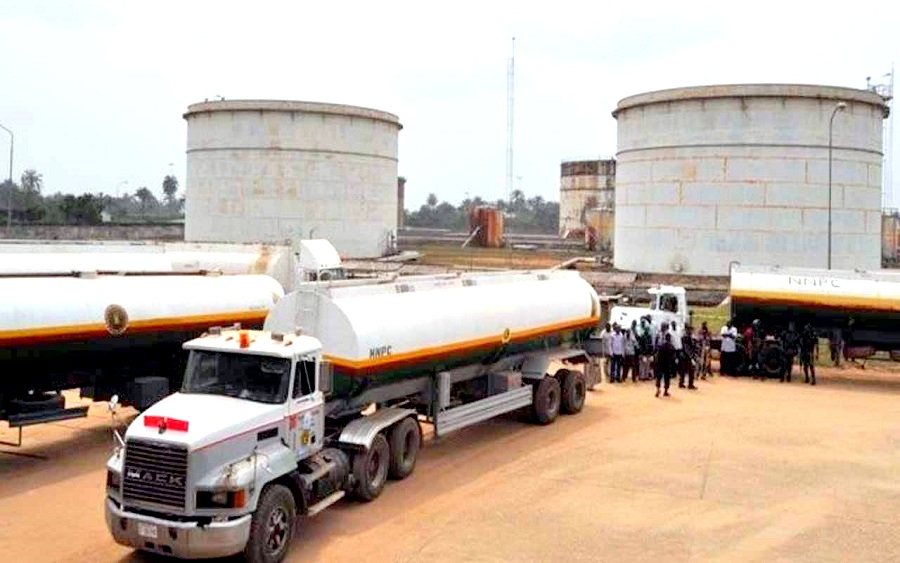
Oil Marketers Reject FG's Proposed N1,350 Petrol Price Ceiling
The Major Energies Marketers Association of Nigeria has rejected the federal government's proposed N1,350 per litre ceiling on petrol ex-gantry and landing costs, arguing that arbitrary price caps distort competition without fixing supply bottlenecks.
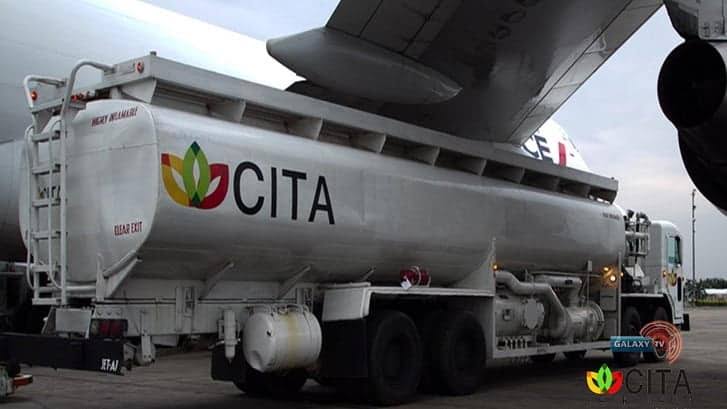
CITA Energies Seeks Review of Dangote Refinery's Jet A1 Pricing Formula
Aviation fuel marketer CITA Energies has called on Dangote Refinery to review its Jet A1 pricing formula, a premium introduced in March and a requirement that 25% of buyers' payment instruments be placed under lien, saying the extra costs are passed on to airlines.

Kigali Carbon Summit Pushes Africa From Market Potential to Delivery
At Carbon Markets Africa Summit 2026 in Kigali, policymakers and financiers from 45 countries called for high-integrity, investable carbon projects as Africa shifts from readiness rhetoric to issuance and offtake.
About the author
Amaka Obi
Senior Business Reporter
Amaka Obi writes for BusinessPress.