Oyedele Says 'Nigeria Rising' Reforms Are Changing How the World Sees the Economy
Finance Minister Taiwo Oyedele says the "Nigeria Rising" framing of the country's reform programme is changing international perceptions of the economy as fiscal, tax and monetary adjustments begin to show results.
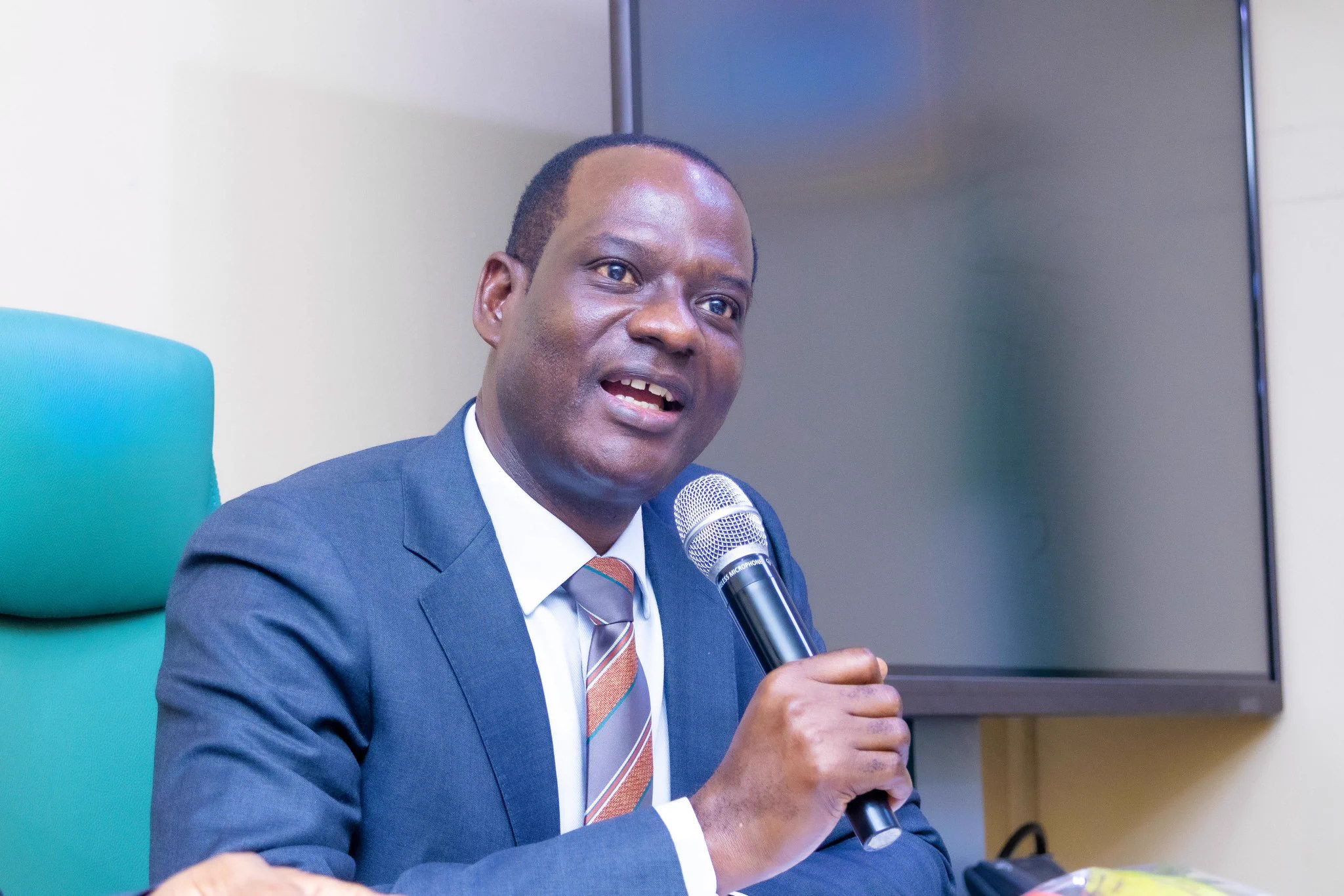
Finance Minister and Coordinating Minister of the Economy Taiwo Oyedele has argued that the "Nigeria Rising" narrative around the country's reform programme is beginning to change how international investors and institutions perceive the economy, as a series of difficult fiscal, tax and monetary adjustments start to show measurable results.
Oyedele made the case over the weekend as the administration sought to consolidate a story of reform durability — pointing to disinflation, higher reserves, improved growth forecasts and a more coherent tax framework as evidence that the transition costs of the past three years are beginning to pay visible dividends.
The evidence marshalled for the case
The reform story leans on several data points that have accumulated in recent months. Headline inflation has fallen for four consecutive months, reaching 14.63 per cent in September — its lowest reading since October 2020. Foreign reserves have climbed to about $58.81 billion, a level last seen in 2008. The IMF has raised Nigeria's 2026 growth forecast to 4.2 per cent, while the World Bank lifted its projection to 4.3 per cent.
Alongside those macro indicators, the administration has pointed to the domestic refining story, the removal of fuel subsidies as a fiscal anchor, and the ongoing overhaul of the tax code as structural rather than cyclical improvements.
Why perception matters for capital flows
Oyedele's emphasis on international perception reflects a practical calculation: Nigeria's investment needs — in power, transport, housing and digital infrastructure — far exceed what public finances alone can fund. Attracting private and foreign capital requires a narrative that reform is not temporary, a point the minister has made repeatedly on the margins of international meetings.
Sceptics note that perception shifts are easier to announce than to lock in. Policy reversals, implementation gaps in the tax reform and the political economy of subsidy and exchange rate management remain live risks to the "Nigeria Rising" story.
The test ahead
The narrative will face its next hard test as the administration moves from framework to enforcement on tax reforms, and as households and firms continue to absorb the residual costs of the adjustment period. Whether "Nigeria Rising" becomes a durable investment thesis or a communications slogan will be decided less by summit remarks than by the next four quarters of delivered outcomes.
Up next
Nigeria's Inflation Falls to 14.63%, Lowest Since October 2020, as Food Prices Ease
Nigeria's headline inflation fell to 14.63% in September, the lowest since October 2020, driven by easing food prices even as core inflationary pressures continued to build in parts of the services economy.
More in Economy
See all
EU Says Nigeria's Poor May Be World's Largest, Commits E45m in Aid
The European Union's ambassador to Nigeria, Gautier Mignot, says the country probably has the world's largest number of people living below the poverty threshold, and announced nearly E45 million in humanitarian assistance for 2026 plus E20 million in defence support.
FG Unveils Gazetted NPERA Act as Independent Port Regulator Takes Shape
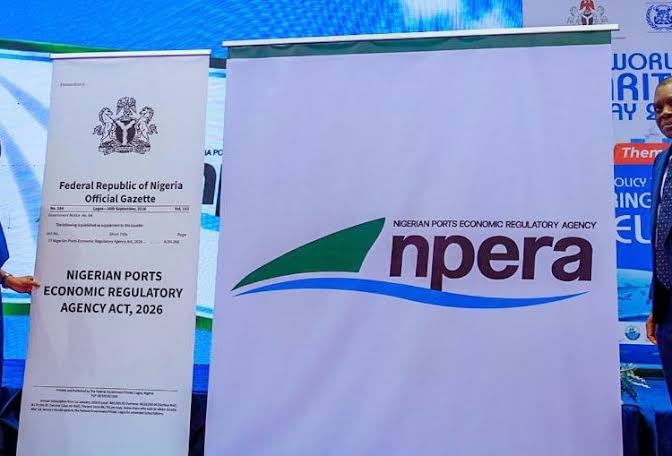
The Federal Government has unveiled the gazetted Nigerian Ports Economic Regulatory Agency Act 2026, directing the immediate constitution of a committee to transition the Nigerian Shippers' Council into an independent regulator of port tariffs, competition and service standards.
Petrol Discount Eludes Motorists as NNPCL Pump Price Returns to N1,405
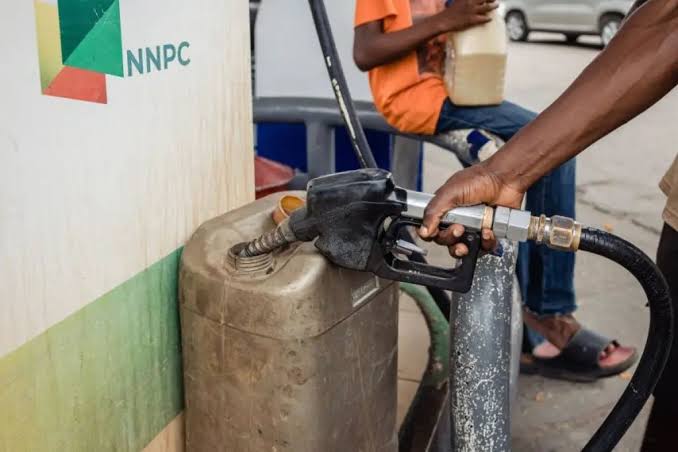
Nigeria's 30-day petrol discount has failed to reach most motorists, with NNPCL stations back at N1,405 a litre and the N66 reduction available only through the company's app at self-service pumps, while transport fares keep rising.
About the author
Tunde Balogun
Economics Correspondent
Tunde Balogun writes for BusinessPress.
More by Tunde Balogun
WACOT Renews Edo State Fertiliser Partnership to Expand Input Supply
Agriculture2 hrs ago
Sunbeth Capital Raises N150 Billion Commercial Paper to Finance Cocoa Value Chain
Agriculture2 hrs ago
Nigeria's Imported Food Price Growth Slows to 9.19%, Slowest in Six Months
Agriculture2 hrs ago