Niger Bans Petrol, Diesel Exports in Fresh Fuel Supply Tightening
Niger has banned exports of petrol and diesel, a move that tightens regional fuel supply and affects the cross-border trade that has long moved petroleum products between Niger and its neighbours, including Nigeria.

Niger has banned exports of petrol and diesel, a regulatory move that tightens fuel supply across a swathe of West Africa where cross-border product trade has long filled gaps in official distribution systems.
The prohibition affects traders who have historically moved petroleum products out of Niger to neighbouring markets, including Nigeria, where border communities and smugglers have relied on the flow of cheaper or more available fuel across porous frontiers.
Why Niger is closing the tap
Fuel export bans in the Sahel typically respond to domestic supply anxiety: governments fear that product finding its way across the border will show up as shortages or higher prices at home. For Niger, which has navigated its own political and economic transitions, ensuring domestic availability is a political as much as an economic priority.
The ban also intersects with regional fuel pricing dynamics. Where pump prices differ significantly across a border, arbitrage is inevitable — and an export prohibition is the blunt instrument governments reach for when they decide that arbitrage has become a domestic supply problem.
Impact on cross-border trade
Cross-border fuel trade between Niger and Nigeria has been a fixture of the regional energy economy for decades, moving product in both directions depending on relative pricing, exchange rates and regulatory gaps. A formal export ban from Niger narrows one direction of that trade and could tighten product availability in border areas that had grown accustomed to informal supply.
Traders and logistics operators in the border economy will need to adjust routes and sourcing, with implications for local fuel prices on both sides of the frontier.
Regional supply implications
For the wider region, Niger's ban is a reminder that West African fuel supply remains hostage to national policy shifts as much as to global crude prices. As domestic refining capacity in Nigeria expands and product flows reorganise, neighbouring countries are increasingly asserting control over their own product markets — even where that means disrupting long-standing trade patterns. How long the ban lasts, and whether it is enforced consistently at the border, will determine its actual market impact.
Up next
Lagos Gives MTN, Airtel 30 Days to Complete Betting Licence Verification
Lagos State has issued a 30-day deadline to MTN and Airtel to complete verification of betting operators' licences, part of a broader push to tighten regulatory oversight of gambling platforms operating in the state.
More in Business
See all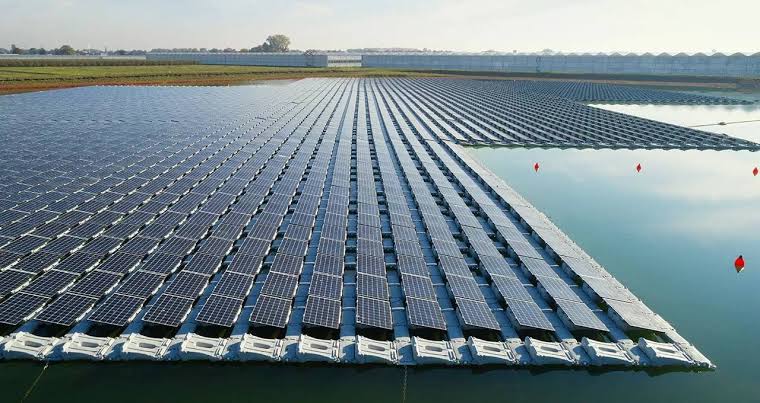
Zimbabwe Approves $650 Million Floating Solar Plant on Lake Kariba
Zimbabwe's Cabinet cleared a 600MW floating solar project on Lake Kariba for implementation, with GreenGrid Energy as developer and ZETDC as sole off-taker.
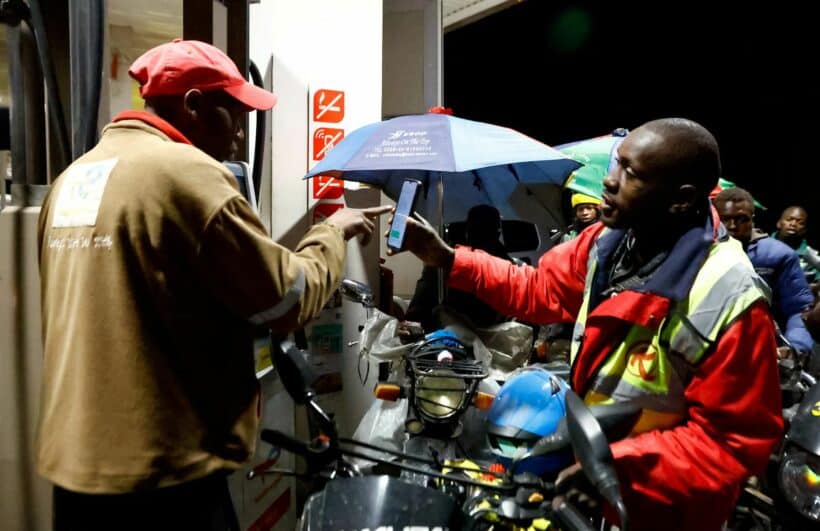
Kenya Raises Petrol 6% and Diesel 4.5% as Middle East Conflict Lifts Import Costs
Kenya's energy regulator raised pump prices for the October-November cycle after the landed cost of imported fuel jumped, even as the government extended a VAT cut.

Power Minister Rules Out Electricity Tariff Increase, Targets 24-Hour Supply
Minister of Power Joseph Tegbe says there is no plan to raise electricity tariffs, insisting the focus is round-the-clock supply as the FG flags off 17.7MW of mini-grids in Oyo State.
About the author
Amaka Obi
Senior Business Reporter
Amaka Obi writes for BusinessPress.