FG Unveils Gazetted NPERA Act as Independent Port Regulator Takes Shape
The Federal Government has unveiled the gazetted Nigerian Ports Economic Regulatory Agency Act 2026, directing the immediate constitution of a committee to transition the Nigerian Shippers' Council into an independent regulator of port tariffs, competition and service standards.
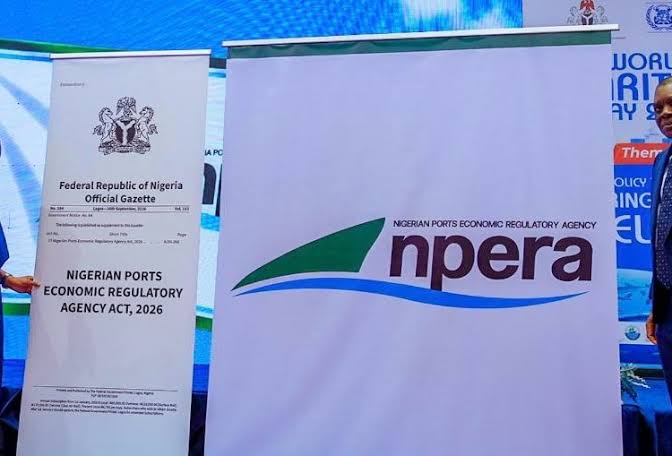
The Federal Government has unveiled the gazetted Nigerian Ports Economic Regulatory Agency (NPERA) Act, 2026, together with the new agency's official logo, marking the establishment of an independent statutory regulator for a port industry that has waited close to two decades for one.
The Minister of Marine and Blue Economy, Dr Adegboyega Oyetola, announced the development at the ministry's third-quarter citizens and stakeholders engagement in Victoria Island, Lagos, directing the immediate constitution of a ministerial committee to oversee the transition of the Nigerian Shippers' Council into NPERA.
From interim arrangement to statutory body
President Bola Tinubu signed the Act into law in June 2026, ending nearly 20 years of efforts to create a legal framework for port economic regulation. Since 2014, the Nigerian Shippers' Council has served as the country's temporary port economic regulator without the full statutory backing that tariff and competition decisions require.
Under the new framework, NPERA will regulate tariffs and charges, promote competition, enforce service standards, resolve commercial disputes and protect the interests of port users. Those functions cut across container terminals, shipping lines, freight forwarders and importers who have long complained about charges set without an effective independent arbiter.
Independence as the watchword
Oyetola stressed that the agency's credibility would depend on its freedom from conflicts of interest. "The credibility of an economic regulator rests, in no small measure, on its independence, impartiality and freedom from responsibilities that could give rise to actual or perceived conflicts of interest," he said, directing NPERA to operate as an impartial arbiter as the country prepares for the new regime.
The instruction matters because the transition involves an institution that has worn two hats: advocate for shippers and, increasingly, regulator of the ports value chain. Separating those roles will determine how terminal operators, shipping lines and port users judge the new body's decisions on tariffs and disputes.
Why port regulation matters for business
Ports are the gateways through which the bulk of Nigeria's trade passes, and the cost and predictability of handling charges feed directly into the price of imported goods and the competitiveness of exporters. An effective regulator can challenge unjustified tariffs, speed up dispute resolution and give investors confidence that rules will be applied consistently, which is the sort of certainty that underpins long-term investment in terminals and logistics.
The ministry also highlighted plans to modernise Apapa, Tin Can Island, Onne, Rivers, Delta and Calabar ports, arguing that development outside Lagos is as important to the country's economic future as the Lagos complex.
Next steps
The ministerial committee will now oversee the institutional handover from the Shippers' Council, after which NPERA will need to constitute its board, publish its regulatory roadmap and begin consultative tariff reviews. How quickly it does so will set the tone for shipping costs, service quality and investor confidence across the maritime sector.
Up next
UBA Wins N156bn Debt Recovery Judgment Against Stallion Group, Vaswanis
The Federal High Court in Lagos has ruled in favour of UBA in its N156.03 billion debt recovery suit against Stallion Group and the Vaswani brothers, upholding the bank's mortgage security, the liability of guarantors and its receiver/manager.
More in Economy
See all
World Bank Plans Fivefold Rise in Metals and Minerals Support to $19 Billion
The World Bank Group plans to increase its metals and minerals support fivefold to $19 billion over FY26-FY30, with eight countries signing partnership compacts.
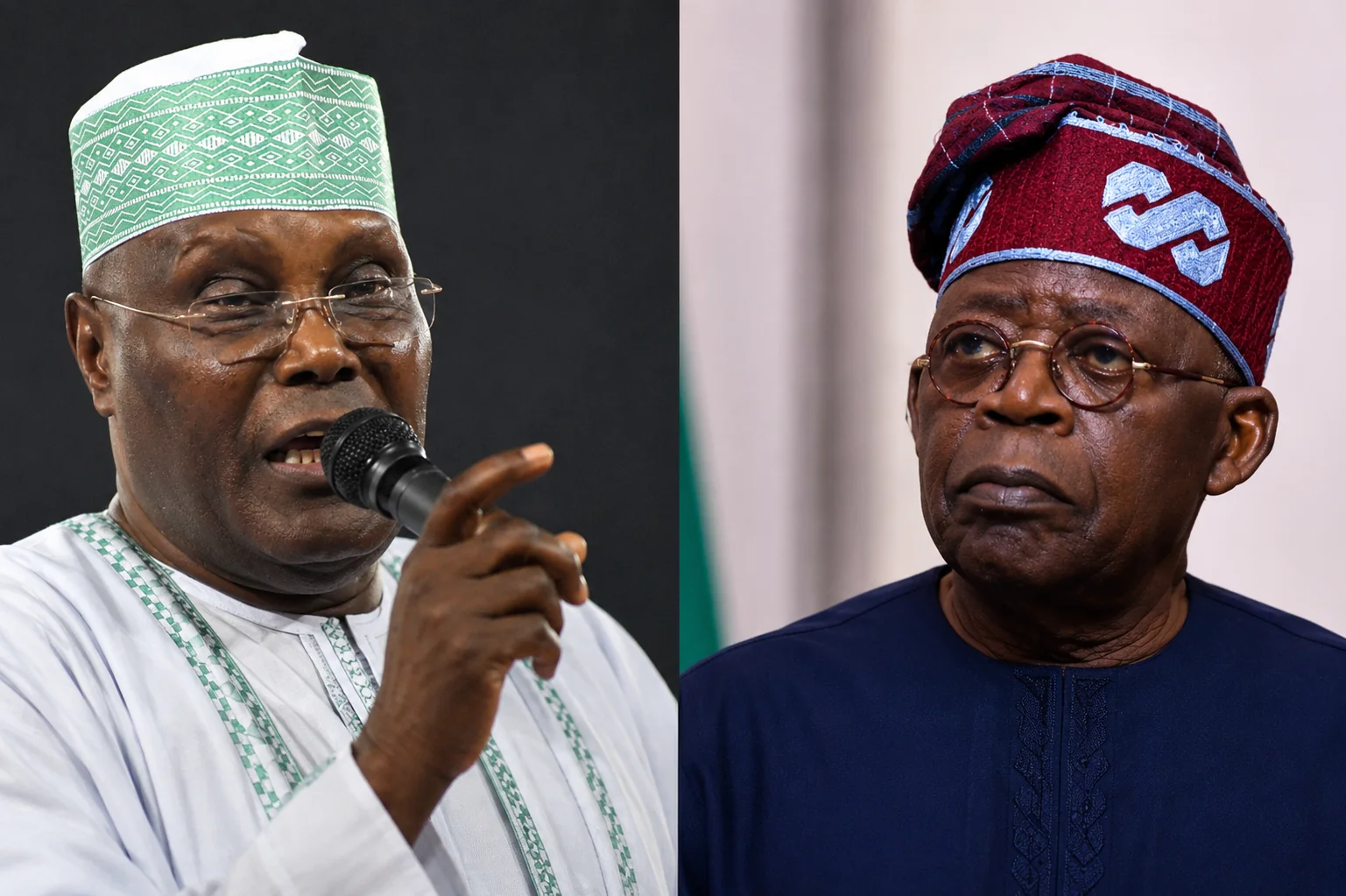
Tinubu, Atiku Clash Over Competing Plans to Cut Petrol Prices
President Tinubu's administration and opposition leader Atiku Abubakar have advanced rival plans to lower petrol prices as Nigeria heads toward the 2027 election.

Kenya's Economy Grows 5.1% in Q2 2026 as Transport and Services Power Output
Kenya's economy expanded 5.1% year on year in the second quarter of 2026, up from 4.9% a year earlier, led by transport, storage and service sectors.
About the author
Amaka Obi
Senior Business Reporter
Amaka Obi writes for BusinessPress.
More by Amaka Obi