Naira falls N28 to N1,365 per dollar in sharpest one-day decline since 2025
The official rate weakened 2.1 per cent as dollar demand overwhelmed CBN intervention, reviving concerns about import costs and inflation.
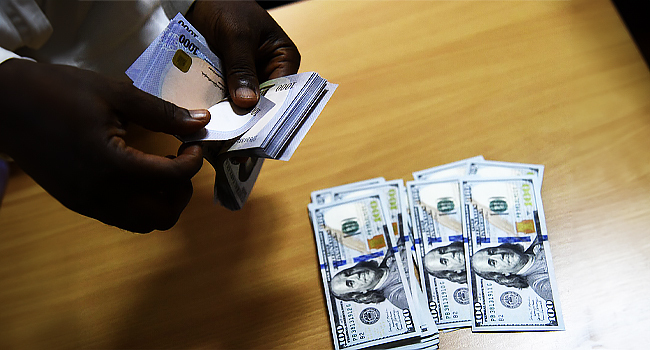
The naira fell by N28 to N1,365 per dollar on October 22, 2026, its sharpest single-day decline in more than a year, after heavy dollar demand overwhelmed the Central Bank of Nigeria’s latest intervention. CBN data showed the official rate weakening from N1,337 per dollar the previous day, a depreciation of about 2.1 per cent in one session.
The move was the largest closing-rate decline since April 9, 2025, when the currency weakened by N29. It reversed a period of relative calm and underlined how quickly sentiment can shift in a market where official and parallel rates still diverge. BusinessDay reported that the CBN sold about $800 million by early afternoon on Thursday as it tried to steady the market.
A single-day move of this size is not just a trading event. It changes the cost of imports, the naira value of foreign debt and the pricing decisions of companies that source raw materials abroad. It also tests the credibility of a managed float that has relied on intervention and tighter monetary policy to keep the currency within a broad range.
Why the demand surged
The immediate trigger was a sharp increase in dollar demand from importers, banks and portfolio investors. Some of that demand was seasonal, linked to year-end inventory purchases and dividend repatriation. Some reflected a reassessment of Nigeria’s external position as oil revenues and remittances fluctuated.
The CBN’s intervention was large by recent standards, but it did not fully clear the market. When the central bank sells dollars to smooth the rate, it can stabilise the price temporarily without removing the underlying demand. If importers expect further depreciation, they accelerate purchases, which reinforces the pressure the intervention is meant to relieve.
Parallel-market quotes were reportedly weaker than the official rate, a persistent gap that signals continued arbitrage and distrust. The gap has narrowed at times, but it has not disappeared. That matters because a wide spread encourages diversion of official foreign exchange and makes it harder for the CBN to transmit a single, credible price signal.
The inflation channel
A weaker naira feeds directly into imported inflation. Fuel, wheat, pharmaceuticals, machinery and many manufactured inputs are priced in dollars before they reach Nigerian consumers. When the exchange rate moves sharply, businesses face a choice between absorbing the cost, passing it on or reducing volumes.
The pass-through is rarely immediate. Companies with inventory buffers can delay price increases, and competition can limit how much they charge. But the effect usually appears over the following months, especially in food and energy, which carry heavy weight in the consumer price index.
This is why the central bank has resisted a disorderly depreciation. A weaker currency can improve export competitiveness and raise naira revenues from oil, but it also complicates the fight against inflation. The policy trade-off becomes harder when the currency moves faster than domestic prices can adjust.
What businesses should watch
Companies with unhedged dollar obligations are the most exposed. A N28 move in one day can turn a manageable loan into a balance-sheet problem, particularly for firms with thin margins or limited access to foreign exchange. Treasurers should review the timing of supplier payments, the currency mix of debt and the adequacy of natural hedges.
Importers may need to raise prices or seek local substitutes. Exporters, by contrast, gain a temporary advantage, although the benefit is eroded if the currency continues to slide or if logistics costs rise. Investors should distinguish between companies with genuine dollar revenues and those whose overseas earnings are offset by foreign-currency costs.
The equity market’s reaction will depend on whether the move is seen as a one-off correction or the start of a new depreciation trend. Banks with large foreign-currency assets and liabilities are particularly sensitive, as are consumer goods companies that rely on imported inputs.
The policy test
The CBN’s challenge is to restore confidence without exhausting reserves. Intervention can buy time, but it cannot substitute for consistent policy, transparent reserves data and a functioning foreign-exchange market. The central bank has repeatedly said it wants a market-determined rate, but the gap between official and parallel quotes shows that the transition is incomplete.
A credible response would combine tighter liquidity management, clear communication about reserves and measures to attract foreign investment. Raising interest rates further could support the currency, but it would also raise borrowing costs for businesses and the government. There is no painless option.
For now, the naira’s sharpest decline in 18 months is a warning. It shows that the currency remains vulnerable to shifts in demand and that the market is still learning to price risk without heavy official guidance. The next few weeks will reveal whether the CBN can contain the pressure or whether another round of adjustment is inevitable.
Up next
NGX turnover hits N15.06 trillion in nine months as market depth improves
Equity turnover crossed N15.06 trillion between January and September 2026, signalling deeper liquidity even as trading stays concentrated in large-cap stocks.
More in Markets
See all
Naira Holds Near N1,331/$ as Record Reserves Steady the Currency
Nigeria's naira opened the week around N1,331 per dollar, supported by foreign reserves that have climbed to about $58.81 billion — their highest level since November 2008.
CBN bills hit N5.6 trillion, drive 74% of September money-supply growth
A N5.6 trillion stock of CBN bills absorbed most of September’s money-supply increase, highlighting the central bank’s heavy reliance on OMO.
CBN sells N2.63 trillion OMO bills as banks chase yield and safety
The October 23 auction was oversubscribed by N629 billion, showing abundant banking-system liquidity even as stop rates climbed.
About the author
Abiodun Abdullahi
Author / Business and Markets Writer
Abiodun Abdullahi writes for BusinessPress.
More by Abiodun Abdullahi