African central banks raise gold reserves 113% in shift away from dollar assets
Reserve managers are buying bullion to diversify counterparty risk, with consequences for global gold demand, mining revenue and financial sovereignty.
17 results for “dollar”

Reserve managers are buying bullion to diversify counterparty risk, with consequences for global gold demand, mining revenue and financial sovereignty.

The official rate weakened 2.1 per cent as dollar demand overwhelmed CBN intervention, reviving concerns about import costs and inflation.

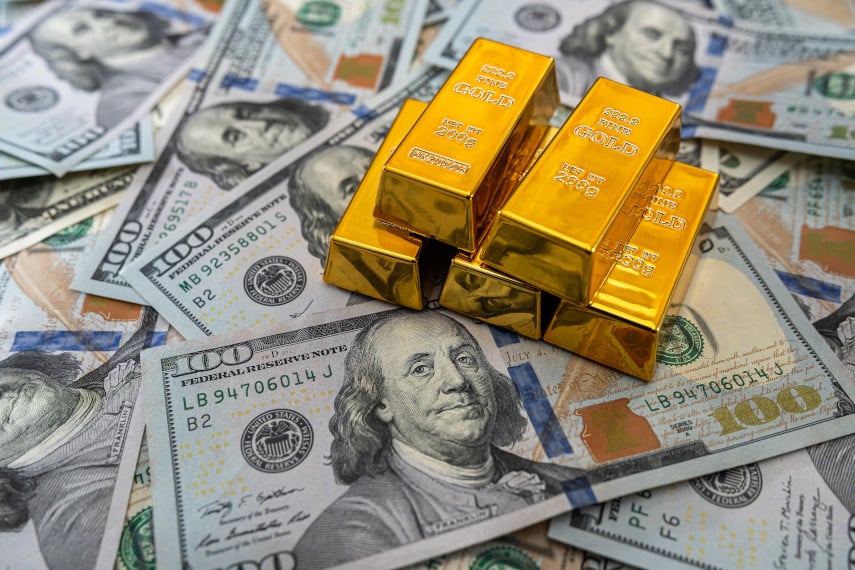
African gold reserves rose 113% as central banks diversified away from dollar assets, strengthening resilience but raising valuation and liquidity questions.

The naira weakened by N28 to N1,365 per dollar as heavy demand overwhelmed CBN intervention, reviving inflation and external-reserve concerns.

Net asset value of pooled investment schemes rose N43.76 billion to N9.885 trillion in the week to October 9, with money market funds holding 67.96 per cent of assets and dollar funds shrinking even as the naira firmed, a signal that the pool is growing as savings rather than as investment.

Silver rose above $57 an ounce and copper advanced on October 19 as the dollar softened, extending a mixed but constructive start to the week for industrial and precious metals.

The US dollar retreated from multi-month highs as concerns about artificial intelligence capital expenditure and credit stress in technology infrastructure pushed Treasury yields lower and softened the Dollar Index toward 101.80.

Latest fundamental analysis projects the naira will remain around N1,290 to N1,370 per US dollar through October, with the CBN's reduced policy rate and seasonal import demand capping both appreciation and sharp depreciation.

Dollar trading in Nigeria's official foreign exchange market fell 22.23 per cent to $2.62 billion in the week ended October 16, with forward contracts plunging 81.14 per cent as spot activity also slowed.

Nigeria's naira opened the week around N1,331 per dollar, supported by foreign reserves that have climbed to about $58.81 billion — their highest level since November 2008.

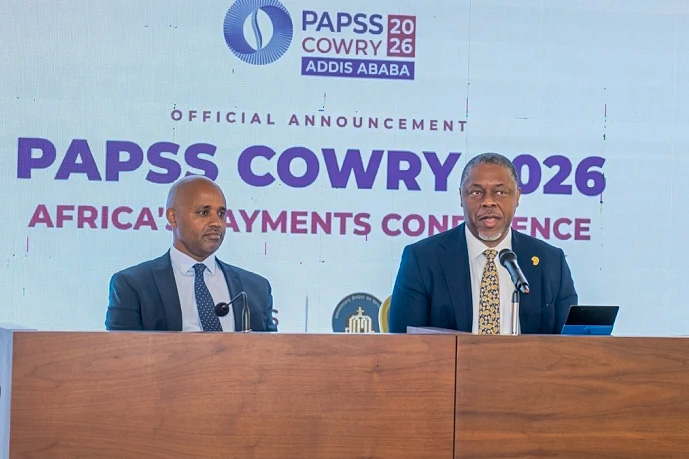
The National Bank of Ethiopia and PAPSS announced Ethiopia's entry into the continental payments network, enabling local banks to settle cross-border transactions in African currencies without routing through dollar or euro corridors.

The official NFEM rate firmed to N1,331.61 to the dollar while street quotes sat around N1,375 to N1,390, leaving a spread that has compressed sharply as reserves climb and central bank FX sales stay low.

The dollar index held near 102.07 and headed for its first weekly decline since mid-September as the 10-year Treasury yield fell about 15 basis points and the euro recovered from a 17-month low.

Spot gold rose about 0.4 per cent to near $4,187 an ounce, helped by a softer dollar and a sharp fall in Treasury yields, even as hot US producer prices kept Fed rate-hike bets alive and capped the metal near $4,235.

The three-year yield dropped 23 basis points to 6.45 per cent and the ten-year fell four basis points to 7.93 per cent as a record one-day rally in US Treasuries and a softer dollar lifted Nigerian dollar debt, with a $1.5 billion bond due in November 2027 in focus.

Banks, fintechs and insurers are now the biggest source of dollar demand, underscoring how Nigeria's FX market is being reshaped by a deeper financial system.

The naira held broadly steady around N1,370 to the dollar as stronger reserves, tighter policy and returning portfolio inflows kept the currency within a narrow range.