Nigeria's Telcos Burn Over 40m Litres of Diesel Monthly as Solar Push Stalls
Nigerian telecom operators spend more than $350 million a year on diesel, consuming over 40 million litres monthly, while the switch to solar-hybrid power remains stuck at about a fifth of towers.
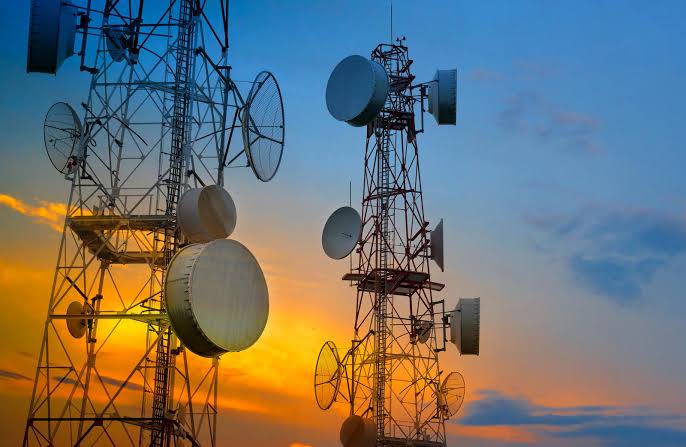
Telecom operators in Nigeria spend more than $350 million a year on diesel and burn over 40 million litres of it a month to keep base stations running, figures repeated by the Nigerian Communications Commission and infrastructure financiers as fresh reporting warns that climbing fuel costs are putting mobile network quality at risk.
Reporting on 12 October 2026 by Independent highlighted the pressure, noting that diesel remains the single largest component of site power costs and that the burden falls hardest on rural and hard-to-reach locations. The same week, the government's proposed 30-day cap of N1,350 a litre on petrol revived questions about how long regulated and unregulated fuel prices can diverge without feeding into each other. Diesel itself remains deregulated.
The scale is difficult to overstate. With the national grid supplying less than 5,000 megawatts for a population of over 200 million, Nigerian telcos run one of the most expensive power arrangements in the industry: roughly 42,000 towers, most of them running on generators topped up with diesel, at a cost BusinessDay put at N696 billion a year in February 2026.
The monthly bill, and who carries it
Industry umbrella body ALTON has put diesel at about 35 per cent of operating expenditure for its members. MTN Nigeria has been the most explicit about the earnings exposure: it warned in April 2026 that diesel averaging N2,000 a litre through the second half would cut full-year earnings by between N120 billion and N140 billion. The same operator spent N29.75 billion on diesel in the first half of 2026 against capital expenditure of N621 billion, according to figures reported by The Guardian in September.
Rural economics are worse. The GSMA has calculated that energy at a rural base station costs about 37 per cent more than at an urban one, and that a single-tenant diesel site can consume around 28,000 litres a year. Diesel traded between N2,400 and N2,900 a litre as recently as June 2026, which is why sites furthest from supply lines are the most likely to go dark when fuel logistics break down.
Solar grows, but the mix barely moves
Every operator in the market now runs a solar programme, and the numbers are real. Airtel Nigeria deployed 200 solar sites between April 2025 and March 2026, and reported in its annual results that its lean-site design lifted network uptime by 21 per cent while cutting monthly maintenance cost by about 90 per cent. Airtel Africa cut diesel consumption by 9.1 million litres across the financial year and converted 390 sites to grid power.
MTN Nigeria signed a deal with First WATT in June 2026 covering 34 megawatts-peak of solar and 40 megawatt-hours of storage. Yet the aggregate position has barely shifted: roughly 8,000 of the country's 42,000 towers, about 20 per cent, run on solar or hybrid power, a share that has been stuck at about a fifth since at least early 2026, BusinessDay reported in February. Diesel volumes keep rising because tower counts rise faster than conversions.
The regulator's answer is the grid, not the generator
The NCC's response has been to treat power as an infrastructure problem rather than an operating cost. It signed a memorandum of understanding with the Rural Electrification Agency in July 2026 to connect towers to mini-grids and renewable projects, on the argument that renewables can cut site operating expenditure by 30 to 50 per cent. The commission has also said operators committed to deploying or upgrading more than 12,000 coverage and capacity sites during 2026, with solar-hybrid configurations expected to carry a growing share of new builds.
Whether that converts into lower fuel volumes depends on finance and grid reliability in equal measure, because a solar site connected to an unreliable mini-grid still needs a generator underneath it.
The number to watch
The clearest measure of progress is not announcements but the hybrid share of the tower estate, which has sat at about 20 per cent through a period of heavy solar commitments. If the NCC-REA mini-grid pipeline moves at all during the 2026 upgrade cycle, that figure should finally break upward when operators next report. Until it does, the monthly 40-million-litre burn remains the industry's most predictable expense, and network quality in hard-to-reach states stays hostage to the pump price.
Up next
Power Minister Rules Out Electricity Tariff Increase, Targets 24-Hour Supply
Minister of Power Joseph Tegbe says there is no plan to raise electricity tariffs, insisting the focus is round-the-clock supply as the FG flags off 17.7MW of mini-grids in Oyo State.
More in Business
See all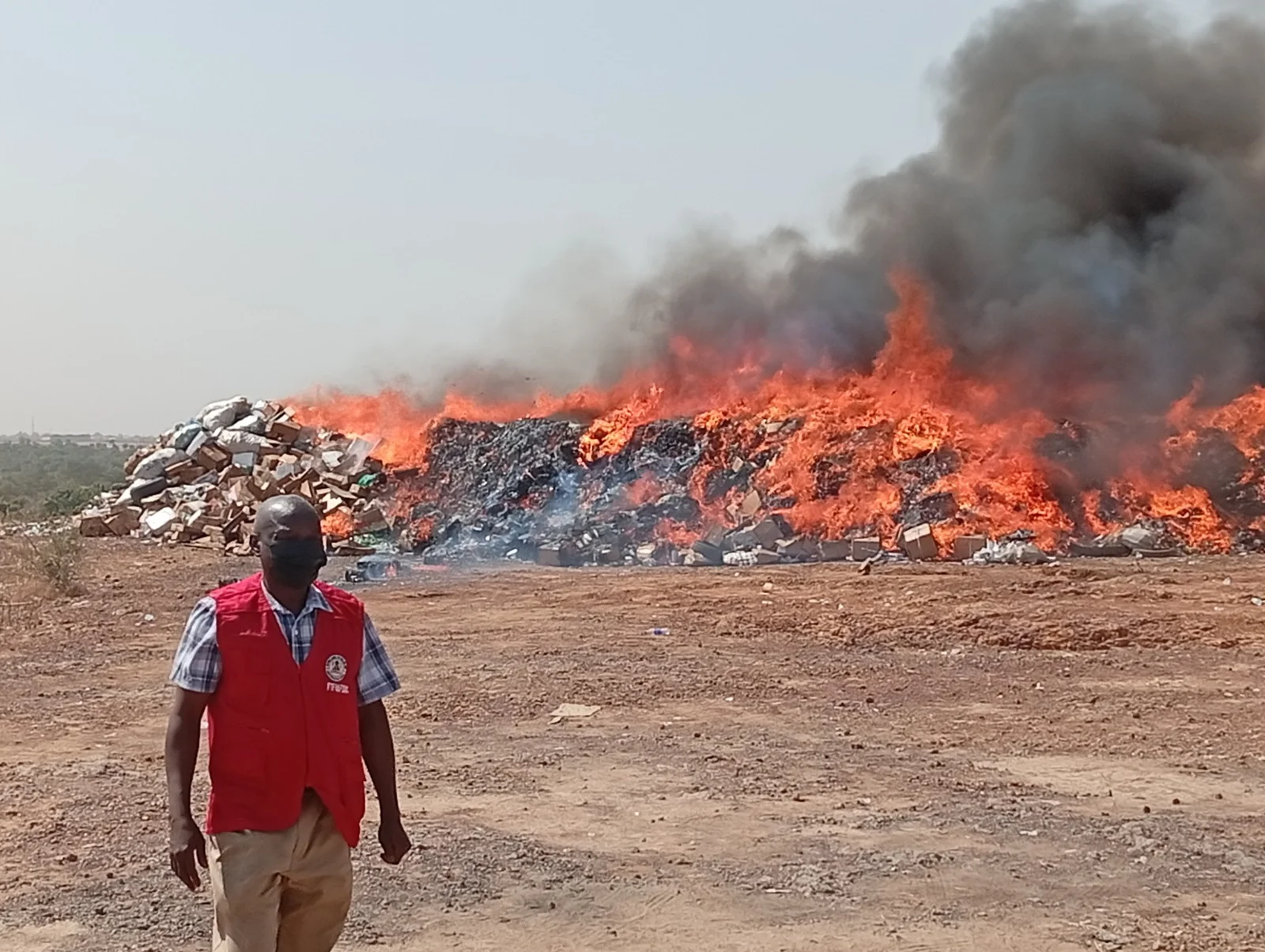
NAFDAC destroys N22.73bn unsafe products
NAFDAC destroyed N22.73 billion worth of unsafe and substandard products between January and August 2026, seizing cosmetics, drinks, drugs and food in nationwide raids.
AfDB, Lagos back 610 women-owned firms
Lagos State and the African Development Bank have launched a scheme to support 610 women-led businesses with training, mentoring and grants to improve access to finance.
NAFDAC Seizes N200m Counterfeit Beverage Packaging in Aba Raids
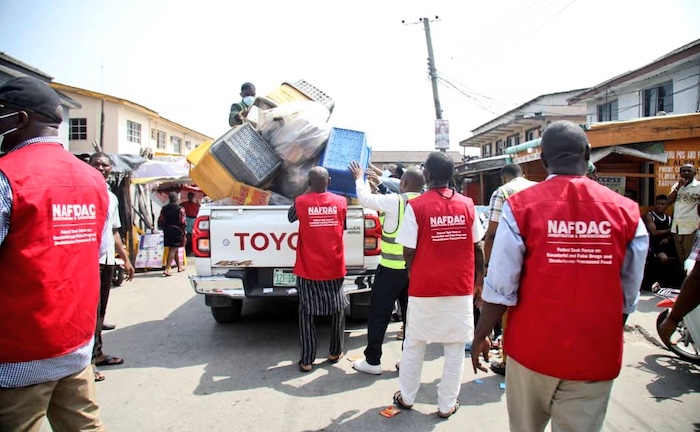
The food and drug regulator seized fake packaging for alcoholic beverages across shops in Aba, stepping up enforcement against product adulteration.
About the author
Amaka Obi
Senior Business Reporter
Amaka Obi writes for BusinessPress.
More by Amaka Obi