
Nigeria Opens 40 Oil Blocks For Global Bidding
NUPRC opens its 2026 bid round portal on November 20 with 40 oil and gas blocks on offer to international and domestic investors in Abu Dhabi.
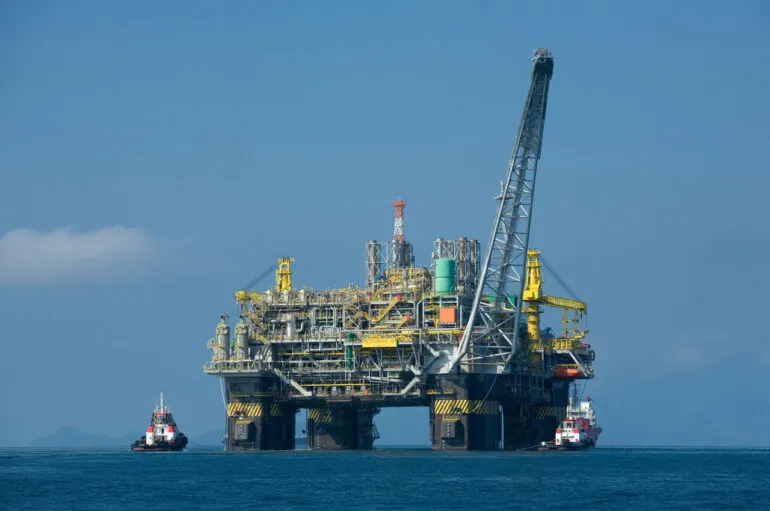
The Nigerian Upstream Petroleum Regulatory Commission will open the bid portal for its 2026 oil and gas licensing round on November 20, formally setting in motion the first auction of 40 blocks that the country hopes will draw fresh exploration capital from a wave of international and domestic investors — a decisive step in a sector whose revival has carried investor attention back to Africa's largest crude producer after years of underinvestment.
The announcement was made by NUPRC Chief Executive Oritsemeyiwa Eyesan on Monday at the Abu Dhabi International Petroleum Exhibition and Conference, Kanyi Daily reported, a stage chosen deliberately to court dozens of international operators, service companies and sovereign investors in the global industry's busiest week. The 2026 round, first unveiled on October 6, spans land, shallow water and deepwater terrain, and targets investors with the technical competence, financial capacity and commitment to develop the blocks rather than warehouse them.
The bid round sits on a production recovery story
The auction arrives into an upstream sector whose operating numbers have genuinely improved. Nigeria produced a daily average of 1,717,030 barrels of crude oil and condensate in September 2026, a 2.34 percent increase over August, according to NUPRC data, and the country met its Organisation of Petroleum Exporting Countries' quota for the fifth consecutive month as daily peaks reached 1.84 million barrels during the month. Output at that level, following the security improvements and reduced vandalism of 2026, provides credible evidence for bidders assessing the productive potential of the blocks on offer.
The regulatory commission has also been pairing commercial openness with capability checks. NUPRC said in October that it would offer support to newly awarded Petroleum Prospecting Licence holders emerging from earlier rounds — 22 awardees from the 2022/2023 and 2024 rounds are expected to contribute at least 250,000 barrels per day of new production — as the regulator moved to prevent situations where winning bidders lacked commercial or technical capability, leaving assets idle and communities without the promised employment.
Why the timing targets Gulf capital
The Abu Dhabi venue for the portal's announcement was strategic. The biennial exhibition draws national oil company presidents, investment sovereigns and the upper tier of international operators, meaning the November 20 opening will reach a global audience of exactly the deep-pocketed entities capable of financing expensive deepwater acreage. Gulf interest in African exploration has been visibly rising, with the NUPRC itself publicising engagement with Pertamina, Indonesia's state energy group, as potential participation in the round was discussed during recent interaction.
For Nigeria, the commercial stakes are straightforward. Decommissioned fields, unexplored acreage through past rounds and idle licence positions have repeatedly been named by investors among the reasons why previous licensing exercises delivered less investment than the industry hoped. The bid round's market mechanism — transparent portal, published criteria and hosted diligence — is designed to signal that the auction will be won on capability rather than connections.
What investors will weigh before bidding
Several factors will influence the strength of the response. The first is the fiscal offer itself: deepwater blocks carry higher exploration risk but the material of much of Nigeria's recent production boom, while land and shallow water acreage offers lower entry costs and faster cash flows in the right locations. The second is the pace of regulatory approval — the Petroleum Industry Act has now bedded in as the sector's operating rulebook, and the commission's stances on lease administration, practising remuneration and community benefit obligations all factor into bid economics. The third is oil price direction, with Brent having held above its long-term averages through most of 2026 on geopolitical risk premia.
Domestic players are paying close attention too. Nigeria's many independent producers and local investors from banks and state governments have demonstrated their capacity to add barrels in the 2020s as international majors passed mature shallow water assets to local operators. The 40-block round extends that supply of opportunity into fresh, unallocated acreage, and its success will partly depend on attractive concession economics that allow local players to fund exploration on comparable terms to majors.
Revenue, security and the wider reform context
For the Federal Government, the licensing round forms part of a broader fiscal realignment. Nigeria's recent budget planning has leaned increasingly on oil revenue restoration after years in which crude output collapsed and non-oil collections absorbed the shortfall. Each new block awarded against a credible signature bonus and firm work commitments channels investment into upstream employment — where the sector's indigenous content rules have steadily deepened local participation — while expanding the fiscal base funding national budgets.
By the time the portal opens on November 20, the jury will begin awarding real global market judgment on Nigeria's investment climate. The round is technically the country's largest offer of fresh acreage in more than a decade, and both the government's answer to how quickly new barrels can be channelled into the economy and the esteem of investors in Nigerian exploration economics will be read from the size of the winning cohort and the pace at which commitments convert into seismic activity, appraisal wells and first oil.
Up next
Afreximbank Backs 81.9m Nigerian Tile Factory Expansion
An 81.9 million dollar Afreximbank loan expands Veenocks Sagamu porcelain tile plant, tripling capacity for eight African export markets.
More in Economy
See allNigeria's Gas Boom Faces a Bankability Test Beyond LNG Exports
TotalEnergies and AMNI's Ima gas field will feed Nigeria LNG rather than domestic power, as executives warn that export economics keep outpacing gas-to-power and industrial demand.
Oyedele Says 'Nigeria Rising' Reforms Are Changing How the World Sees the Economy
Finance Minister Taiwo Oyedele says the "Nigeria Rising" framing of the country's reform programme is changing international perceptions of the economy as fiscal, tax and monetary adjustments begin to show results.
World Bank Plans Fivefold Rise in Metals and Minerals Support to $19 Billion
The World Bank Group plans to increase its metals and minerals support fivefold to $19 billion over FY26-FY30, with eight countries signing partnership compacts.
About the author
Tunde Balogun
Economics Correspondent
Tunde Balogun writes for BusinessPress.
More by Tunde Balogun
Tourba And ThriveAgric Scale Conservation Farming Push
Agriculture44 mins ago
Nigeria Eyes 50m Savings From Local Data Hosting
Economy1 hr ago
Debt Service Bill Overshadows Five Sector Budgets
Economy2 hrs ago

