Bonny Light near $124 revives domestic absorption debate as output holds at 1.7mbpd
With Bonny Light near $124 a barrel and August output around 1.7mbpd, market analysts are renewing the case for committing more Nigerian crude to domestic refining under the naira-crude framework.

Nigeria's oil industry is debating a domestic absorption model as an answer to the volatility that has repeatedly , Nigeria's flagship crude stream, trading near $124 a barrel this month and the country's output running up against the domestic refining demand that Dangote Refinery's 650,000-barrel-per-day complex has brought into the market, according to market analysis published last week.
The analysis, carried by market commentators including dmarketforces' Augustine Oguh, makes the point that Nigeria's crude economics remain hostage to a pipeline of external variables, the Organisation of Petroleum Exporting Countries' production quota decisions, the US dollar's cycle and geopolitics, that the country's leveraged responses, from fuel subsidy reforms to the new naira-denominated domestic crude sales framework, can only partially offset. Domestic absorption, committing a larger share of Nigeria's crude production to be refined, consumed and invoiced at home, is the policy that converts oil-market volatility from an external shock to a domestic price-management problem.
What the Bonny Light price means now
Bonny Light's price trajectory this month, from about $110 to near $124 a barrel, follows the geopolitical escalation between the United States and Iran that pushed Brent crude to more than $116 and its highest levels since April. For Nigeria, higher crude prices are double-edged: they lift the dollar receipts that fund the Federation Account, reserves and the naira's stability, but they also raise the landing cost of imported refined products and the prices that domestic refineries, Dangote Refinery included, want to charge local consumers.
The domestic-crude policy has already changed that calculus materially. Since the CBN began enforcing naira-denominated crude sales to domestic refineries, Dangote Refinery has been buying crude in naira, and the refinery, in turn, sells petrol and diesel domestically in naira, which reduces the direct pass-through of dollar volatility to consumers, while simultaneously raising the question of what share of the country's roughly 1.7 million barrels per day of production should be committed to the domestic market rather than exported.
[irp]
The domestic-absorption arithmetic
Nigeria's crude production has recovered modestly this year, averaging about 1.7 million barrels per day in August, per the latest data cited in the analysis, still well short of the country's OPEC quota ambitions but enough to feed Dangote Refinery's 650,000-barrel-per-day nameplate capacity if the refinery reaches its intended run rate. The economic logic of domestic absorption is that each barrel refined in-country displaces an imported barrel's landed cost, which includes freight, insurance and dollar transaction friction, and produces multiplier effects in local employment, petrochemical feedstock and value-added exports.
The countervailing reality is fiscal. Nigeria's budget balances on crude-linked receipts, and the dollar earnings from exported crude fund the capital budget and FX reserves. Diverting excessive volumes to domestic consumption, invoiced in a currency whose supply requires precisely those exports, creates circular financing that can strain the central bank's ability to settle maturing trade payments. The policy design that works is one that sets the domestic-commitment share at a level that satisfies refinery demand without starving the export earnings that underpin the entire monetary framework.
[irp]
Institutional and infrastructure constraints
Domestic absorption also depends on logistics the reform era has repeatedly exposed. Crude supply to refineries requires the pipeline network, which has historically suffered from legal and illegal offtake losses, plus the ports infrastructure, storage terminals and the trucking networks that move refined product inland. The Federal Government's shift to rehabilitation of spares for the repair of the pipelines and the new policies toward local refining capacity, including Dangote Refinery's near-total reliance on sea-borne crude imports rather than the domestic pipeline network, point to the infrastructure challenge and its cost.
On the demand side, domestic absorption also requires the distribution system to deliver refined product to consumers' tanks at prices the market can absorb, which is the same retail price hierarchy that has historically driven Nigeria's cycles of fuel-subsidy politics. Since the subsidy era ended, the pass-through of crude-price increases to pump prices is complete at the petrol pump level, and the resulting price volatility is borne directly by households, which strengthens the political argument for refining at home even as it creates its own inflation-management challenge.
[irp]
What to watch
The relevant variables over the coming quarter are the Dangote Refinery's run rate and product import flows, which will show whether domestic absorption is growing or stalling; the naira-denominated crude sale contracts' volumes and their calendar; and the Federal Government's policy responses to the petrol pricing that high Brent will transmit through the domestic market. Bonny Light's trajectory, whether it stays near $124 or returns toward $110, will set the fiscal backdrop for all of those conversations.
For investors, the domestic-absorption argument is central to the Nigerian oil-and-gas equity story: refiners, petrochemicals players and the logistics companies serving the domestic product market gain from a bigger onshore value chain, while pure exporters gain from global crude strength. The two dependencies can coexist, but the policy mix the government settles on will determine which part of the value chain captures incremental margins as the oil cycle continues its volatile advance.
[irp]
Up next
SEC approves Coronation Insurance delisting as buyout scheme advances
The SEC has approved the delisting of Coronation Insurance from the NGX under a buyout scheme by its majority owner, moving minority shareholders a step closer to a cash exit.
More in Economy
See all
Tinubu, Macron postpone French state visit to Nigeria until 2027
The delayed visit postpones trade and investment announcements, testing Nigeria-France economic diplomacy amid shifting alliances.

Jollof rice now takes 37% of minimum wage as food inflation bites
The cost of a staple meal exposes how food inflation is squeezing Nigerian households and undermining the real value of the minimum wage.
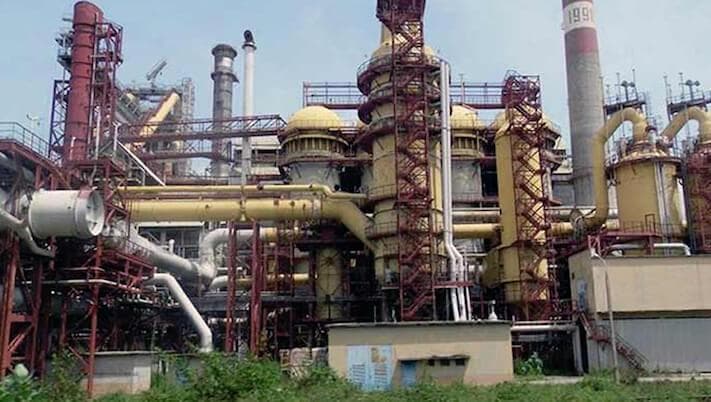
Ajaokuta steel revival falters on power and raw-material gaps
Nigeria’s flagship steel complex needs reliable power, inputs and financing before it can anchor industrialisation, analysts warn.
About the author
Abiodun Abdullahi
Author / Business and Markets Writer
Abiodun Abdullahi writes for BusinessPress.