₦800bn Treasury Bills Auction to Test Market as ₦2.26 Trillion CRR Release Fuels System Liquidity
Nigeria’s money market is bracing for an ₦800 billion treasury bills primary auction amid a liquidity surge analysts put near ₦7 trillion, with released cash reserves of about ₦2.26 trillion among the inflows expected to fuel heavy demand for the long-tenor paper.

Nigeria’s money market is preparing for an ₦800 billion treasury bills primary auction this week amid what analysts describe as a liquidity surge, with Central Bank reserve releases of about ₦2.26 trillion among the inflows expected to feed heavy demand for the government paper, dmarketforces reported on Monday, October 26, 2026. The market commentary pegged overall system liquidity near ₦7 trillion, with Proshare’s Friday data showing money market liquidity at ₦6.94 trillion.
The auction’s design will deliberately lean on the long end. Buying interest is expected to concentrate on the 364-day tenor as institutions — flush with cash reserves to deploy — look to lock in yields before spot rates fall further, dmarketforces reported. The bank-led disinflation trend and the easing cycle the Central Bank set in motion with its September cut have primed expectations that naira yields are broadly headed lower over coming months, sharpening the urgency to capture duration now.
Liquidity flows into the week are the story behind the headline. The Central Bank’s cash reserve requirement releases have been the single largest force, and the ₦2.26 trillion figure cited in the market commentary dwarfs typical weekly system inflows. Proshare’s data put the open repo rate at 20% at the weekend while the average Treasury bill yield closed at 17.98% — rates still deep in real-yield territory even after months of easing.
[irp][irp][irp][irp][irp]
What the Demand Pattern Will Reveal
The auction is a direct read of institutional risk appetite. A heavily subscribed 364-day paper at lower bid-accepted yields would confirm the market conviction that disinflation is durable enough to anchor multi-year expectations, effectively letting the DMO fund at rates the inflation path itself validates. A thin 364-day book, or accepted yields that require aggressive cuts to clear, would tell a different story — that the liquid boom is positioning-driven rather than conviction-driven and that banks are betting on short-term rollover pricing instead.
Recent primary auctions have shown intermittent signs of investor apathy at the DMO’s offering levels, dmarketforces noted, which makes the week’s result more informative: with ₦2.26 trillion of CRR money chasing paper, the DMO has a genuine window to test how much duration the system is prepared to absorb at acceptable rates.
The Market Structure Behind the Squeeze
The liquidity backdrop explains why yields could compress sharply even at these subscription volumes. When the system holds this much excess cash, short-term rates such as the open repo rate reprice toward the standing facility corridor’s floor, and the gap between money-market rates and T-bill yields offers banks and pension funds no-cost carry for shifting cash into government paper. That mechanical force has consistently pulled primary and secondary T-bill rates through 2026, and this week’s auction sizes are large enough to test the trend’s endurance.
The disinflation narrative the auction sits on is not automatic. Food prices, the dominant driver of Nigeria’s headline inflation, remain hostage to seasonal supply shocks, and the oil-linked energy components of the CPI face upward pressure if the Middle East conflict re-escalates. The MPC’s own mid-October commentary showed policymakers split on the pace of further easing, which means the market’s forward bet — that T-bill rates will keep grinding lower — attaches to conditional macro momentum rather than certainty.
What It Means for the naira and Inflows
A well-subscribed, well-priced auction supports the currency at a delicate moment. The naira recovered to ₦1,331.28 per dollar on the NFEM Monday after Friday’s slide, and strong domestic-currency yields are one of the flow supports that hold such stability in place. The auction’s outcome, landing in the week the Federal Reserve decides on rates and the Dangote refinery offer closes, sets the fixed-income template for the fourth quarter that follows.
Up next
Rabiu Tells Economic Summit Firms Should Buy Dollars From the Market, Not CBN Allocations
Aliko Dangote, the Dangote Group’s president, told the 32nd Nigerian Economic Summit on Monday, October 26, that companies should buy foreign exchange through the market at prevailing rates instead of depending on direct Central Bank allocations, warning that naira availability alone does not solve machinery import needs.
More in Finance
See all
NGX Flags Nine Firms for Delisting and Restructuring as Union Dicon Faces Deadline
The Nigerian Exchange has moved to flag nine listed companies for delisting, restructuring or other corporate actions, with Union Dicon Salt among the firms whose statuses changed on the Exchange’s daily register, Nairametrics reported on Monday, October 26.
Nigeria’s Net FX Flows Hit $22.5bn in Q2, Highest Since 2019, CBN Bulletin Shows
Nigeria’s net foreign exchange flows rose to $22.50 billion in the second quarter of 2026, the highest quarterly level since Q4 2019, according to the Central Bank of Nigeria’s Q2 2026 Statistical Bulletin, Nairametrics reported.
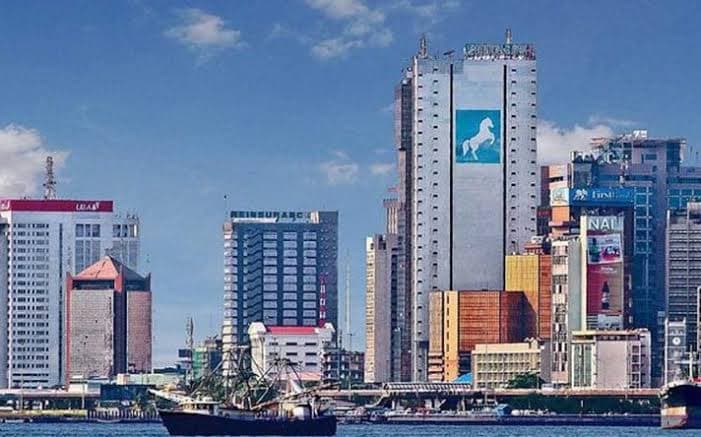
Nigerian Banking Stocks Have Rallied 79%, Yet Deep Discounts Persist
Nigerian banking equities have gained about 79% year-to-date, but the sector still trades at deep discounts to book value, Nairametrics reported on Monday, October 26, following the industry’s recapitalisation wave.
About the author
Yaw Boateng
Corporate Reporter
Yaw Boateng writes for BusinessPress.
More by Yaw Boateng